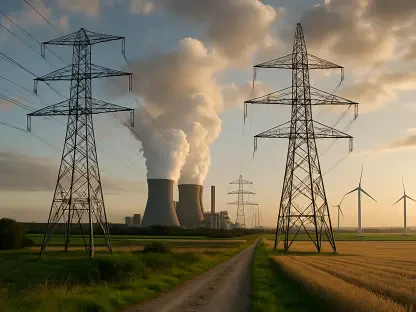

The American electric power industry finds itself at a critical crossroads, caught in the crosscurrents of transformative federal policy and unprecedented market dynamics that are reshaping the energy landscape. At the center of this maelstrom is an explosive surge in electricity demand, propelled by the voracious appetite of data centers powering the artificial intelligence revolution, which is testing the absolute limits of the nation’s grid infrastructure. This unrelenting demand is compelling utilities, developers, and regulators to navigate a high-stakes environment where the line between visionary expansion and a costly overbuild becomes perilously thin. As the sector scrambles to adapt, it confronts fundamental questions about the accuracy of AI-driven energy forecasts and the risk of repeating the infrastructure boom-and-bust cycle of the dot-com era, a period whose financial consequences lingered for years.
The Unprecedented Surge from Digital Demand
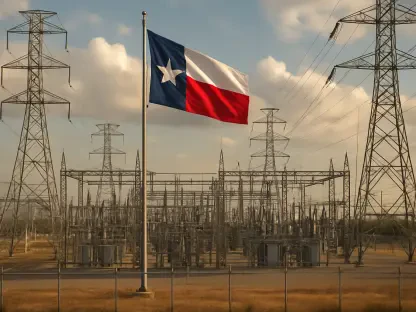
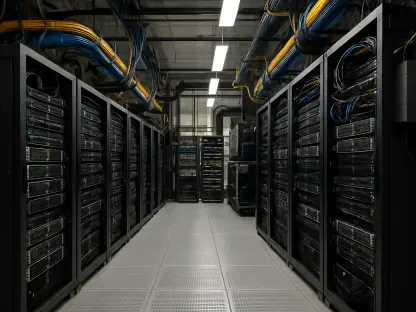
The most acute challenge dominating industry discourse is the monumental and rapid proliferation of large electrical loads, with AI-powering data centers consuming the lion’s share of attention and resources. This phenomenon is particularly concentrated in established and emerging technology hubs, such as Texas and the Mid-Atlantic region managed by the PJM Interconnection, the nation’s largest grid operator. The sheer volume of grid connection requests from these facilities is causing electricity demand forecasts to skyrocket, creating enormous backlogs in interconnection queues that can stretch for years. This deluge, which includes a significant number of speculative projects designed to secure a place in line rather than serve an immediate need, is straining the planning capacity of system operators and pushing the physical infrastructure to its brink. The immediate pressure to accommodate this growth is forcing a fundamental reevaluation of how the grid is planned, expanded, and operated, moving from a model of predictable, steady growth to one of managing volatile, large-scale, and geographically concentrated demand spikes.
In response to this deluge, state regulators have begun to erect defensive measures to manage the queue and weed out non-viable proposals. A key strategy has been the introduction of new large load tariffs, which impose more stringent financial and operational requirements to effectively filter out purely speculative requests from serious projects. This state-level action is now being met with a push for federal oversight, as the Department of Energy pressures the Federal Energy Regulatory Commission to establish a more active and standardized role in regulating these interconnections. However, a powerful undercurrent of anxiety flows beneath this boom. Industry observers are drawing uneasy parallels to the turn of the 21st century, when the tech and energy sectors vastly overestimated the power needs of the early internet, resulting in costly, underutilized infrastructure. Consequently, the power sector is intensely focused on validating current demand forecasts. Early signs already suggest a potential cooling, as utilities with stricter rules have seen their large load queues contract significantly. Furthermore, the U.S. Energy Information Administration has already revised its 2026 generation growth forecast downward, citing slower-than-expected materialization of these large loads.
A Grid in Transition Amidst Policy Headwinds
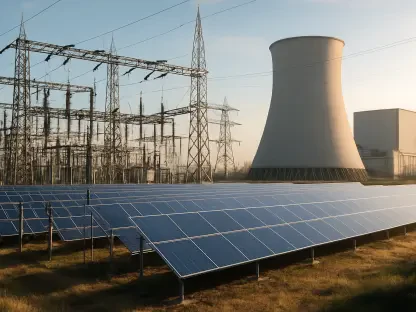
Complicating the response to this demand surge is a federal policy environment that has become explicitly hostile toward wind and solar energy, even as these resources are needed most. A new legislative landscape, shaped by the “One Big Beautiful Bill Act,” has curtailed long-standing subsidies for clean energy, creating significant headwinds for renewable development. The sector is now grappling with the rollback of crucial tax credits, the imposition of new “foreign entity of concern” rules that complicate supply chains, additional layers of project approvals, and a complete freeze on the development of all offshore wind farms. Despite these formidable obstacles, the intense and immediate demand for new electricity generation means that renewables, which consistently constitute the vast majority of new capacity coming online, will continue to expand their market share out of necessity. In this new reality devoid of robust federal support, the renewables industry is undergoing a strategic adaptation. With tax credit phaseout deadlines approaching, a key trend is a concerted effort to reduce “soft costs”—expenses related to permitting, legal fees, and financing—to ensure projects remain economically viable.
In stark contrast to the challenges facing wind and solar, energy storage has emerged as a critical and comparatively well-positioned technology. Once viewed as a niche addition to renewable projects, battery storage systems are now a standard and integral component of system planning for utilities and large energy consumers alike. The year 2025 witnessed record-breaking additions of storage capacity, a trend fueled by falling battery prices and the technology’s inherent versatility. While still facing some supply chain hurdles, storage was less severely impacted by the new federal policies than renewables. Its growth is propelled by a powerful dual value proposition: it provides essential grid stability and flexibility, and it offers large loads like data centers a pathway to ensure the uninterrupted power crucial for their operations. The “continuing credit window” for storage under the new policy framework supports its continued expansion, with forecasts projecting that about 18 gigawatts of storage currently under construction will be completed by the end of 2026, with a potential pipeline of nearly 200 GW by 2030.
Innovative Management for an Overburdened System
The stark reality that new generation capacity and transmission lines take years to permit and build is clashing with the immediate power needs of large commercial and industrial customers. This critical timing mismatch is catalyzing a rapid evolution toward greater load flexibility as a primary grid management tool. Hyperscale data centers and other large power users are increasingly collaborating with utilities to find innovative ways to connect to the grid faster. A prominent model involves these customers agreeing to “flex” their consumption—that is, power down non-essential operations, activate their own on-site generation or storage, or financially compensate other users to curtail consumption—during the handful of hours or days each year when the grid reaches peak demand. This symbiotic relationship allows data centers to get the power they need sooner while providing the grid operator with a valuable tool to manage system stress without waiting for the slow process of building new infrastructure to catch up with immediate demand.
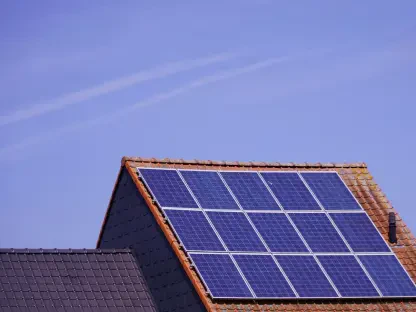
This concept of load flexibility is not confined to large industrial players; it is also being harnessed at the distribution level through the rise of the virtual power plant (VPP). A VPP is a sophisticated aggregation of thousands of individual distributed energy resources, such as rooftop solar panels, home batteries, electric vehicles, and smart appliances. These resources can be orchestrated through advanced software to provide grid services, such as reducing demand or supplying power, with a speed and precision that traditional, centralized power plants cannot match. Industry experts see this trend accelerating as the intense pressure from demand growth forces utilities to extract maximum value from existing infrastructure. There is a growing awareness of the immense value these distributed resources can provide to the grid and the speed at which they can be deployed. This approach offers a dual benefit, providing stability to the system operator while offering financial incentives and greater energy resilience to individual consumers who participate.
The High Stakes of Modernization
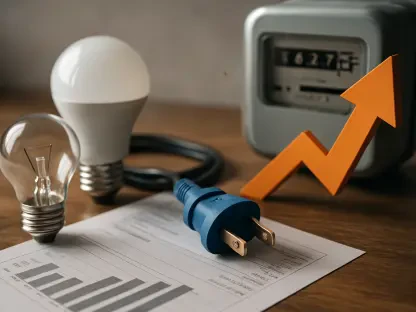
Driven by the urgent need to serve the data center pipeline and simultaneously modernize an aging grid, investor-owned utilities have entered what is being called an infrastructure investment “super-cycle.” Projections from industry analysts indicate that utilities are planning to spend between $1.1 trillion and $1.4 trillion by 2030. This staggering figure, which roughly doubles the capital expenditures of the previous decade, is intended to fund a massive buildout of generation, transmission, and distribution assets. However, this unprecedented spending spree is fraught with significant challenges and financial risks. Utilities are facing a growing backlash from multiple fronts—including ratepayers, regulators, and elected officials—who are increasingly resistant to the rising cost of electricity. This public and political pressure limits the ability of utilities to secure the rate increases necessary to fund these ambitious projects, creating a precarious financial situation where the need for investment is undeniable but the means to pay for it are constrained.
These immense financial pressures are not unique to investor-owned companies. Not-for-profit public power and cooperative utilities face a similarly challenging environment as they attempt to meet modern demands. S&P Global recently issued a negative outlook for this sector in 2026, citing the dangerous convergence of substantial infrastructure financing needs and diminishing consumer rate affordability. This combination threatens to weaken the utilities’ ability to recover their costs, which could in turn erode their financial margins and lead to credit rating downgrades. The primary funding avenues for the regulated utility sector, namely rate cases and the issuance of debt and equity, may prove inadequate to finance the sheer scale of the planned investments. As a recent report noted, years of rising electric bills have eroded public and regulatory tolerance for further rate hikes, severely limiting the utilities’ financial maneuverability at a time when they need it most. This creates a difficult paradox where failing to invest threatens grid reliability, but making the necessary investments threatens financial stability and public trust.
A Reckoning That Reshaped the Grid
The confluence of explosive AI-driven demand and profound policy shifts ultimately forced a necessary, albeit turbulent, evolution of the American power sector. The initial panic over skyrocketing load forecasts gave way to a more measured and strategic approach, as utilities and regulators implemented stricter interconnection standards that separated speculative projects from viable ones. This period of intense pressure acted as a catalyst, accelerating the adoption of innovative grid management techniques that had previously been on the periphery. Load flexibility and virtual power plants transitioned from theoretical concepts to indispensable operational tools, proving that managing demand could be as critical as building new supply. The crisis underscored the absolute necessity of energy storage, which became a cornerstone of grid planning for its ability to provide stability and reliability. This period was a testament to the industry’s capacity for adaptation, as it navigated financial headwinds and public scrutiny to forge a more dynamic and resilient grid architecture capable of meeting the demands of a new digital era.