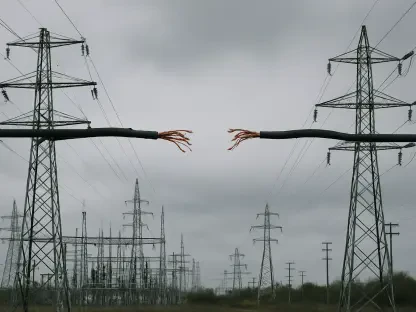

What happens when the lifeblood of a nation—its energy grid—becomes the battlefield of an unseen enemy? In a chilling scenario, entire cities could plunge into darkness, not from natural disasters, but from deliberate cyberattacks orchestrated by a foreign power. Recent discussions in a U.S. House hearing have spotlighted a disturbing possibility: China may be positioning itself to strike at the heart of American infrastructure. This narrative dives into the shadowy realm of cyber warfare, exploring whether these digital threats are a prelude to a larger, more devastating conflict.
Why This Threat Matters Now
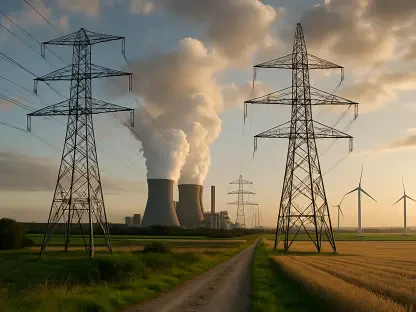
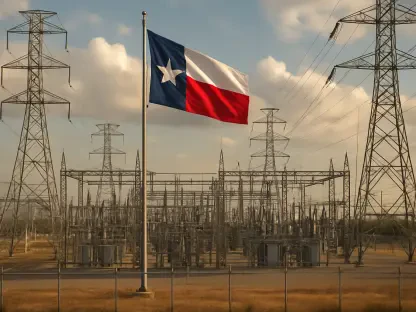
The stakes couldn’t be higher in an era where electricity powers everything from hospitals to defense systems. The vulnerability of the U.S. energy grid isn’t just a technical glitch; it’s a national security crisis waiting to unfold. Experts warn that a coordinated attack could disrupt civilian life and cripple military readiness, creating chaos without a single soldier stepping foot on American soil. This issue transcends mere speculation, as testimonies from industry leaders and security analysts paint a picture of calculated moves by foreign actors, particularly China, to exploit these weaknesses amid escalating geopolitical tensions.
The Hidden Arsenal of Cyber Warfare
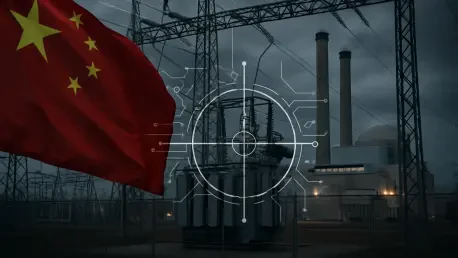
Delving into the specifics, the House hearing revealed alarming details about state-sponsored groups like Volt Typhoon, Salt Typhoon, and Flax Typhoon, believed to be backed by the Chinese Communist Party. These entities aren’t launching immediate attacks but are instead embedding themselves within U.S. networks for long-term access. Michael Ball, CEO of the Electricity Information Sharing and Analysis Center, noted that their goal is to lie in wait, ready to disrupt at a critical moment, a strategy that keeps the threat ever-present yet invisible.
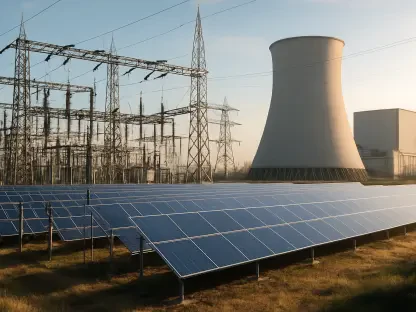
Moreover, the U.S. energy grid itself offers a perfect target due to its patchwork nature. A mix of aging analog systems and newer digital technologies creates exploitable seams that adversaries can pry open. This hybrid setup, often underfunded and outdated, allows hackers to infiltrate systems with relative ease, potentially sabotaging power distribution on a massive scale if the right conditions align.
Geopolitical Chess: Energy as a Pawn
Beyond technical vulnerabilities, there’s a deeper game at play. Harry Krejsa from Carnegie Mellon Institute for Strategy & Technology highlighted during the hearing that China’s cyber maneuvers may be tied to preparations for conflict over Taiwan. By targeting U.S. infrastructure, the strategy could be to create domestic panic and hinder American intervention in the Pacific. Disrupting power to key regions would not only sow chaos but also divert resources and attention away from international crises.
This tactic underscores a broader geopolitical motive: weakening an opponent without direct confrontation. Energy systems, often seen as mundane, become strategic assets in this silent war. The ripple effects of blackouts could destabilize economies and erode public trust, amplifying the impact far beyond the initial outage.
Experts Sound the Alarm
Voices from the frontline of cybersecurity echoed a unified concern at the hearing. Zach Tudor of Idaho National Laboratory labeled China as the most persistent cyber threat facing the nation, pointing to their relentless probing of energy, water, and communication networks. His assessment aligns with a growing consensus that these actions are not random but part of a coordinated effort to undermine U.S. stability.
Adding to the urgency, Rep. Robert Menendez (D-N.J.) criticized domestic policy shortcomings that exacerbate the risk. He pointed to budget cuts totaling $5.6 billion for state and local grid resiliency programs, alongside staffing shortages at the Department of Homeland Security’s Cybersecurity & Infrastructure Security Agency. These gaps, he argued, leave the nation ill-prepared to counter sophisticated threats, raising questions about prioritization at the federal level.
Building a Stronger Defense
Countering this invisible menace requires more than warnings; it demands action. Sharla Artz of Xcel Energy advocated for robust public-private partnerships, emphasizing programs like the Energy Threat Analysis Center to enhance threat detection and response. Reauthorizing initiatives such as the Cybersecurity Information Sharing Act of 2015 could bridge critical gaps between government and industry, fostering a united front against digital intrusions.
Additionally, funding remains a linchpin for progress. Tim Lindahl from the National Rural Electric Cooperative Association called for the reauthorization of the $250 million Rural and Municipal Utility Cybersecurity Program, urging swift disbursement of funds. Rural and municipal utilities, often the most vulnerable, need sustained investment to modernize outdated systems and bolster their defenses against evolving cyber threats.
Finally, addressing policy failures is non-negotiable. Reversing budget cuts and staffing reductions at key agencies must be a priority. Legislative reforms should focus on infrastructure protection, ensuring that resources keep pace with the sophistication of adversaries. Without these steps, the nation risks falling behind in a race where the stakes are nothing less than societal stability.
Reflecting on a Battle Unseen
Looking back, the discussions during the House hearing painted a sobering picture of a nation under siege in ways most citizens never noticed. The testimonies revealed not just vulnerabilities in technology, but also in policy and preparedness, leaving an indelible mark on the urgency of the situation. As threats loomed larger, the resolve to protect critical systems grew sharper among experts and lawmakers alike. Moving forward, the path demanded innovative collaborations, substantial investments, and a renewed commitment to safeguarding the grid. Only through such concerted efforts could the invisible war be won, ensuring that the lights stayed on and the nation remained secure against the silent threats of tomorrow.