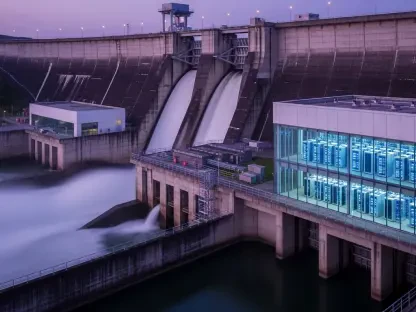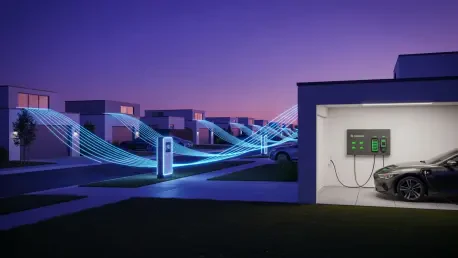

The hum of a household refrigerator or the silent charging of an electric vehicle in a suburban garage is no longer just a private convenience but a potential pillar of national energy security. As the traditional boundaries between utility providers and residential consumers dissolve, Michigan and New York have stepped forward with legislative frameworks designed to transform ordinary appliances into a collective, high-tech defense against grid failure. By formalizing the role of Virtual Power Plants (VPPs), these states are signaling a departure from the century-old model of massive, centralized coal and gas plants in favor of a nimble, software-driven network.
This shift marks the emergence of the “prosumer,” a term describing individuals who both consume and produce energy for the benefit of the wider community. When thousands of home batteries, smart thermostats, and electric vehicles are synchronized through advanced software, they function as a single, utility-scale asset capable of stabilizing the grid during heatwaves or unexpected outages. This decentralized approach promises to lower costs for all ratepayers while accelerating the integration of renewable energy into the daily lives of millions of Americans.
The Dawn of the Participatory Power Grid
The evolution from passive energy consumers to active grid contributors represents one of the most significant shifts in infrastructure management since the dawn of rural electrification. Historically, the relationship between a utility and a customer was strictly one-way: the company generated the power, and the household paid for whatever it used. Today, the rise of the “prosumer” is dismantling this hierarchy, turning residential basements and driveways into micro-generators that provide essential services to the state energy supply.
Michigan and New York are leading this transition toward a decentralized utility model by creating legal pathways for these small-scale resources to participate in the open market. By aggregating the capacity of a neighborhood’s electric vehicles or rooftop solar installations, a VPP can inject power into the grid precisely when it is needed most. This participation does more than just lower individual bills; it provides a shared buffer that protects entire regions from the cascading effects of energy shortages or equipment failures.
Why Centralized Power Is No Longer Enough
Maintaining grid reliability through traditional means has become an increasingly expensive and inefficient endeavor for state regulators. A stark example of this struggle occurred when the J.H. Campbell coal plant extension required a $135 million investment just to keep an aging facility operational for a short period. Such massive expenditures on legacy infrastructure highlight the diminishing returns of relying on centralized fossil fuel plants to meet the fluctuating demands of a modern, electrified economy.
Traditional “peaker” plants, which only run during moments of extreme demand, are often the most expensive and polluting assets in a utility portfolio. Bridging the gap between individual renewable investments and utility-scale energy needs requires a smarter approach that leverages “behind-the-meter” technology. By utilizing the latent energy already stored in residential batteries, states can avoid the high costs of building new physical plants while addressing the challenges of aging transmission lines that are struggling to keep up with contemporary electricity usage.
Legislative Blueprints: How New York and Michigan Are Rewiring the Market
The New York “rider” system is designed with aggressive timelines that prioritize multi-resource stacking to maximize efficiency. By implementing specific categories for batteries, non-battery demand response, and electric vehicles, the state allows homeowners to combine various technologies to earn greater incentives. This modular approach directs VPP resources toward specific grid needs, such as congestion relief in urban areas and “clean peak” services that specifically target the displacement of fossil fuels during high-demand hours.
In contrast, the Michigan strategy focuses on broad definitions and the integration of industrial assets alongside residential ones. The state is creating a one-year regulatory window to activate underused energy resources, framing “homegrown” energy as a vital defense against the price volatility of imported fuels. By integrating demand response and distributed generation into a unified capacity market, Michigan aims to turn its existing industrial base and residential districts into a cohesive, self-sustaining energy network that can react instantly to market signals.
Expert Perspectives on Reliability and Market Fairness
The economic rationale for this shift is grounded in the reality that virtual capacity is consistently cheaper to maintain than legacy fossil fuel generation. Industry experts emphasize that leveling the playing field is essential for long-term success, which is why the proposed bills prohibit utilities from directly competing with third-party aggregators. This separation ensures that the market remains competitive and innovative, allowing specialized firms to recruit and manage customer assets without being stifled by utility monopolies.
Data access remains a significant hurdle that the new legislation seeks to clear by mandating non-discriminatory access to grid information for VPP developers. Aligning these state efforts with federal standards, such as FERC Order 2222, is critical for navigating the complexities of regional grid operators like MISO and NYISO. By ensuring that state-level programs can communicate effectively with wholesale markets, regulators are building a foundation that allows distributed energy to be traded and utilized across state lines with the same fluidness as traditional electricity.
A Practical Roadmap for the VPP Transition
The first step in this transition involved establishing clear regulatory frameworks and utility program parameters that gave investors the confidence to scale their technologies. Once the rules were set, the focus shifted toward onboarding third-party aggregators who acted as the bridge between the utility and the individual customer. These entities took on the complex task of recruiting participants and ensuring that their devices were ready to perform when the grid called for assistance.
Transparency in compensation structures was the next major milestone, ensuring that participants were fairly paid for grid services and load shedding. This required the development of interoperable systems that allowed state programs to eventually merge with future federal wholesale markets. By scaling distributed energy resources to function as a unified, utility-scale asset, the states provided a definitive solution to the intermittency of renewables. The successful implementation of these laws demonstrated that a flexible, consumer-driven grid was not only technically possible but economically superior to the old ways.