Introduction
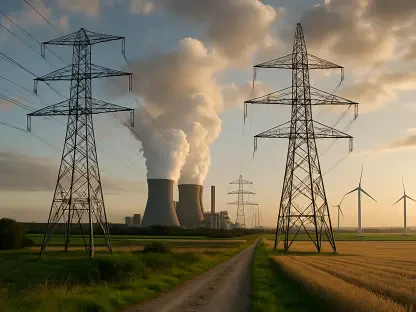
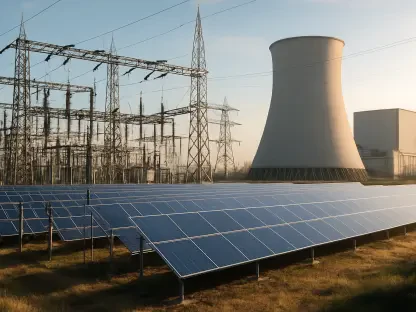
As industries from artificial intelligence to advanced manufacturing drive an unprecedented surge in electricity demand, the challenge of maintaining a reliable power grid while simultaneously pursuing aggressive decarbonization goals has become more acute than ever before. While renewable sources like wind and solar are expanding rapidly, their intermittent nature highlights the critical need for firm, low-carbon power that can be dispatched on demand. This is where technologies like Carbon Capture and Storage (CCS) enter the picture, offering a way to generate dependable electricity with a significantly reduced carbon footprint. However, the high cost of these projects has been a persistent barrier to widespread adoption.
This article serves as a guide to a new proposed emissions accounting standard designed to overcome this economic hurdle. It breaks down the fundamental questions surrounding this innovative framework, exploring why it is necessary and how it is intended to function. Readers can expect to gain a clear understanding of how these new rules could create a viable market for CCS-generated electricity, thereby unlocking a new generation of projects essential for the clean energy transition. This exploration will cover the structure of the proposed energy certificates, the comprehensive scope of emissions they account for, and the mechanisms designed to ensure their long-term credibility.
Decoding the New Standard
Why Is a New Emissions Standard for Ccs Necessary
The primary impetus for a new standard is a straightforward economic reality: federal incentives alone have not been enough to make most CCS projects financially viable. While policies like the 45Q tax credit provide crucial support, the substantial capital and operational costs associated with capturing, transporting, and storing carbon dioxide create a significant funding gap. To bridge this gap, CCS projects need access to an additional, reliable revenue stream that directly monetizes their core environmental benefit—the production of low-emissions electricity.
This is precisely where the new standard comes into play. It aims to create a robust market mechanism that connects CCS project developers with a growing pool of corporate clean energy buyers. These corporations are increasingly seeking to procure firm, low-carbon power to meet their ambitious sustainability targets and are often willing to pay a premium for it. The problem is that the current system, built around Renewable Energy Credits (RECs) for solar and wind, is ill-suited for CCS. RECs certify energy as “zero-emissions,” a label that does not apply to CCS, which is low-carbon but not zero-carbon. Consequently, a more nuanced and transparent system is required to accurately represent and trade the unique environmental attributes of CCS-generated power.
How Would a Ccs Energy Attribute Certificate Work
The foundation of the proposed standard is a new type of Energy Attribute Certificate (EAC) specifically designed for CCS. This certificate represents a significant evolution from traditional models. Instead of simply certifying one megawatt-hour (MWh) of electricity as “clean,” each CCS EAC would be “minted” with a specific and independently verified emission rate, measured in pounds of carbon dioxide equivalent per MWh (lbs CO2e/MWh). This value would not be a generic estimate but a precise reflection of the entire CCS project’s measured performance during the period of generation.
When a corporate buyer purchases and retires one of these EACs, they can then claim that exact emission rate in their market-based Scope 2 emissions inventory. This introduces a level of granularity and accuracy that is currently unavailable, allowing for far more credible and transparent corporate sustainability reporting. Furthermore, this detailed information, which would also include disclosures about the original fuel source and the final destination of the captured CO2, empowers buyers to make more informed procurement decisions. They can differentiate between projects and choose the ones that best align with their specific decarbonization strategies, fostering a market that rewards higher-performing facilities.
What Emissions Are Included in the Calculation
To ensure the environmental integrity of each EAC, the proposed framework mandates a comprehensive emissions boundary that captures the full life cycle of the carbon capture process. This “gate-to-grave” accounting methodology is designed to prevent a narrow focus on the power plant alone, which could obscure other significant sources of emissions. The calculation must therefore include several key components: any residual emissions that escape from the power plant stack after capture, emissions from the energy-intensive equipment used in the CO2 capture process itself, and any emissions associated with transporting the captured CO2 to its storage site.
Moreover, the calculation extends to the final stage of the process, incorporating emissions from the machinery used for injecting and permanently storing the CO2 underground. This holistic approach ensures that the emission rate stamped on the EAC represents the true net impact of the delivered electricity. The standard also importantly acknowledges the need to eventually account for upstream emissions, such as methane leakage from the natural gas supply chain. While a specific methodology for this is not yet prescribed, its inclusion as a consideration signals a commitment to an increasingly rigorous and all-encompassing accounting standard as data and tracking methods improve.
How Does the Standard Address Long Term Risks Like Leakage
A critical concern for any CCS project is the long-term permanence of the stored CO2. The risk, however small, that carbon dioxide could leak from a geologic storage site years after injection could undermine the validity of the emissions reduction and, by extension, the value of the EAC. To confront this challenge head-on and build lasting market confidence, the standard requires projects to implement a form of “self-insurance” to protect the integrity of the buyer’s claim.
This requirement is not a rigid, one-size-fits-all mandate but rather a flexible framework that allows registries and projects to choose the most suitable risk mitigation strategy. The proposed menu of options includes securing private insurance policies that would cover potential leakage events, creating a credit reserve by holding back a certain percentage of EACs from the market to act as a buffer, or conservatively issuing EACs with a pre-calculated leakage risk already factored into their emission rate. This proactive approach to managing long-term liability is essential for ensuring that the environmental claims made today remain credible for decades to come.
Summary and Next Steps
The proposed emissions standard introduces a sophisticated and granular Energy Attribute Certificate for electricity generated with CCS. This new tool is specifically designed to create a vital revenue stream for these projects by transparently connecting them with corporate buyers who need reliable, low-carbon energy. Its credibility is built upon a foundation of key principles, including a comprehensive “gate-to-grave” emissions boundary, mandatory third-party verification of all data, and innovative mechanisms for managing the long-term risk of CO2 leakage from storage sites.
These features are essential for establishing the market trust necessary to spur widespread investment in CCS technology. While this framework marks a significant step forward, it is also a foundational one. The implementation will require energy-tracking registries to adapt their systems to handle these more complex, variable-rate certificates. Furthermore, the standard will likely need to evolve, especially in response to ongoing updates to influential global standards like the GHG Protocol. Looking ahead, the most significant challenge will be developing a consensus-based methodology for incorporating upstream fuel-chain emissions into the overall calculation.
A Final Perspective
The development of this detailed accounting framework represented a pivotal moment in the clean energy transition. It successfully shifted the conversation around CCS from one of theoretical potential to one of practical, market-based implementation by directly confronting the economic barriers that had long stalled meaningful progress. The standard provided a clear and credible answer to the fundamental question of how to value and trade the unique environmental attributes of low-carbon, dispatchable power.
Ultimately, by creating a trusted and transparent mechanism, this standard offered a tangible pathway for integrating CCS-equipped power plants into the broader clean energy ecosystem. It handed grid operators, project developers, and corporations a new and essential tool to help balance the urgent, parallel needs for deep decarbonization and the unrelenting demand for reliable, around-the-clock electricity. The groundwork laid by this framework paved the way for a more diverse and resilient low-carbon energy future.