
The Coming Collision: AI’s Energy Thirst Meets America’s Grid
The artificial intelligence boom represents a monumental leap in technological capability, but it is fueled by an equally monumental—and often overlooked—demand for electrical power. This surge in energy consumption is not just a line item on a tech company’s balance sheet; it is a significant stressor on a U.S. energy grid already grappling with aging infrastructure and a national electricity affordability crisis. As data centers multiply, the conflict between their insatiable power needs and the public’s right to reliable, affordable energy intensifies. This article explores how an existing but underutilized policy tool, the large load utility tariff, can be innovatively designed to manage this challenge. By moving beyond a purely extractive model, the AI industry can be guided to invest in solutions that strengthen grid resilience, empower communities, and accelerate the clean energy transition, ensuring its growth benefits society as a whole.
A Perfect Storm: The Context of AI’s Unprecedented Power Demand
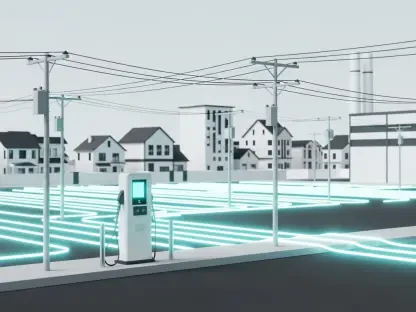
To understand the urgency of the current moment, it is essential to recognize the converging pressures on the American energy system. The AI boom did not occur in a vacuum. It arrived amidst an ongoing energy crisis, with average electricity prices for consumers climbing over 30% since 2020. This has placed immense pressure on utilities and regulators, who now face the unprecedented challenge of serving new “hyperscale” data centers that can require as much power as a small city. In the race to supply this massive load, there is a significant risk of cutting corners on environmental standards or fast-tracking infrastructure upgrades whose costs are socialized across all ratepayers. The growing recognition of this problem has sparked a regulatory shift, with 66 specialized large load tariffs either approved or pending across the United States, signaling a clear consensus that these unique energy consumers require a unique set of rules.
Designing a Symbiotic Future: Three Pillars of a Responsible AI Tariff
Harnessing Distributed Energy for Mutual Benefit
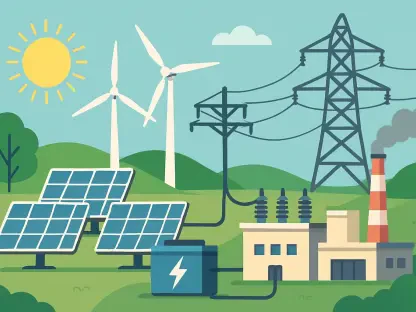
One of the most transformative approaches is to structure tariffs that incentivize AI companies to invest directly in distributed, household-level energy solutions. Rather than simply drawing power from the grid, data centers can become catalysts for community energy independence. A study by Rewiring America found that hyperscalers could meet their entire U.S. capacity needs by funding the installation of residential heat pumps, rooftop solar panels, and battery storage. A tariff designed around this principle creates a powerful win-win-win scenario: the data center gains a faster, guaranteed path to securing power; residents see lower electricity bills and a smaller carbon footprint; and the utility meets massive new load demands without overloading the grid or financing new centralized power plants. This model reframes the data center from a passive consumer into an active partner in building a more resilient, decentralized grid.
Mandating Investment in Advanced Clean Energy
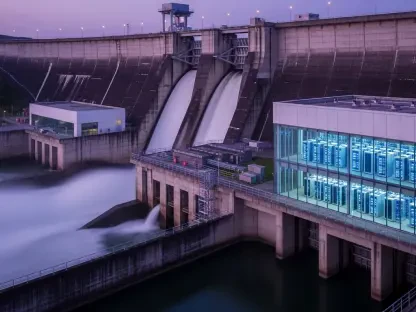
The 24/7 operational needs of AI data centers create immense pressure to rely on “firm” power sources, threatening a regression to fossil fuels like natural gas. Thoughtfully designed tariffs can counteract this by steering investment toward emerging clean technologies. A powerful precedent has already been set in Nevada, where a “clean transition tariff” was developed through a partnership between NV Energy, Google, and Fervo Energy. Under this agreement, Google is directly funding the development of 115 megawatts of next-generation geothermal power for its data centers. Crucially, the tariff structure ensures that Google, the beneficiary, bears the full cost of this new technology, explicitly preventing it from being passed on to other ratepayers. This demonstrates a viable, market-driven pathway for AI companies to meet their round-the-clock energy needs and achieve carbon-free goals without compromising community health or burdening the public.
Requiring Demand Flexibility to Fortify the Grid
To maintain grid stability, it is critical that large energy consumers act as partners, not just burdens. A growing trend, already present in 20% of existing and pending tariffs, is the inclusion of demand flexibility requirements. This mandates that data centers be able to intelligently manage their consumption by shifting computational loads to off-peak hours or curtailing energy use entirely during periods of extreme grid strain. This capability, enabled through demand response programs or interruptible service agreements, is immensely valuable. It helps prevent blackouts, defers the need for costly and time-consuming grid upgrades, and ultimately drives down costs for all consumers. By pairing these flexibility requirements with incentives like prioritized grid interconnection, tariffs can create a compelling business case for data centers to become active, stabilizing participants in the energy ecosystem.
The Future of AI Power: From Extraction to Integration
The future trajectory of the AI industry’s relationship with the energy sector is at a critical inflection point. The proliferation of specialized large load tariffs is not a temporary trend but the beginning of a fundamental reshaping of how utilities and regulators manage hyperscale energy consumption. We can expect to see these tariffs become more sophisticated, incorporating dynamic pricing that rewards off-peak data processing and performance standards that link grid access to investments in local clean energy infrastructure. The guiding principle will shift from simply supplying power to integrating these massive loads as strategic assets that enhance grid reliability. As public awareness and regulatory scrutiny grow, the AI industry’s “social license to operate” will increasingly depend on its willingness to embrace these integrated, collaborative models.
A Blueprint for Action: Forging a Collaborative Energy Future
The analysis reveals a clear path forward for aligning the explosive growth of AI with the public good. The key takeaway is that we possess the regulatory tools necessary to manage this challenge; what is needed is the political and corporate will to design and implement them effectively. For utilities and regulators, the priority must be to craft large load tariffs that incorporate the three core pillars: community benefit through distributed energy, mandated investment in advanced clean power, and required demand flexibility. For AI companies, the strategic imperative is to proactively engage with utilities and communities, viewing these tariff structures not as constraints but as opportunities to secure their energy supply, de-risk their operations, and build lasting public trust. By adopting this collaborative framework, we can ensure the AI revolution powers progress for everyone.
Conclusion: Securing AI’s Social License to Operate
The immense energy demand of artificial intelligence is an unavoidable reality, but its negative impacts on our grids, communities, and climate are not. The unchecked growth of data centers is already causing localized electricity price spikes and provoking public backlash, threatening the long-term viability of the industry. The solution lies in policy innovation. By thoughtfully designing large load tariffs to foster a symbiotic relationship between data centers and the communities they inhabit, we can transform a potential crisis into a catalyst for progress. The ultimate goal is to define an energy future where the advancement of artificial intelligence and the well-being of people are not competing priorities but mutually reinforcing goals. This is how the AI industry will earn its social license to operate and truly power a better future.