
The landscape of American energy is shifting rapidly as aging infrastructure meets the relentless hunger of the digital economy, forcing utility providers to rethink how they fund the future. PPL Electric Utilities, the Allentown-based energy provider serving approximately 1.5 million customers across Pennsylvania, has recently navigated a pivotal moment in its regulatory history. By reaching a $275 million settlement agreement regarding its distribution rates, the utility has moved closer to finalizing a complex financial and operational roadmap. This agreement, which is currently awaiting formal approval from the Pennsylvania Public Utility Commission (PUC), represents a strategic compromise from PPL’s initial request for a $356.3 million revenue increase.
The deal is significant not only for its scale but for its attempt to balance the heavy demands of modern infrastructure with the economic realities of residential consumers. This analysis explores how the settlement addresses the rapid expansion of energy-intensive industries, the enhancements made to social safety nets, and the long-term implications for grid stability. By examining the nuances of this deal, stakeholders can better understand the evolving relationship between utility providers and the communities they serve in an increasingly electrified world.
Tracing the Origins of the Distribution Rate Request
To understand the significance of this $275 million settlement, one must look at the shifting landscape of Pennsylvania’s energy sector. For years, PPL Electric has faced the dual challenge of maintaining an aging grid while preparing for a future defined by electrification and high-capacity industrial growth. The initial push for a revenue increase was driven by the necessity to modernize equipment and ensure reliability in an era where severe weather events and increased demand are becoming the norm.
Historically, rate cases have been a source of friction between utilities and consumer advocates. However, the current landscape is shaped by a unique phenomenon: the explosion of digital infrastructure. The rise of data centers and large-scale industrial operations has placed unprecedented pressure on the grid. These background factors necessitated a new approach to rate design—one that ensures residential users are not unfairly burdened by the massive capital investments required to support specialized, high-load customers.
Navigating the Mechanics of the Settlement
Addressing the Surge of Large-Load Industrial Customers
A cornerstone of this agreement is the introduction of a specialized tariff specifically designed for “large load” customers, such as data centers. PPL is currently facing a massive 20-GW interconnection pipeline, a figure that is nearly triple its current peak load of 7.8 GW. To manage this, the settlement applies strict criteria to facilities with a peak demand of at least 50 MW or aggregate sites totaling 75 MW.
To prevent “stranded assets”—infrastructure built for a company that might later go out of business or leave the area—the deal requires these large-scale users to agree to 10-year service terms, minimum load guarantees, and exit fees. Furthermore, these industrial giants will be required to provide financial security for grid upgrades and contribute $11 million annually toward low-income assistance programs. This structure ensures that the rapid expansion of the tech industry contributes to the welfare of the broader community rather than draining local resources.
Impact on Residential Ratepayers and Universal Service Enhancements
For the average residential customer, the settlement results in a 4.9% increase in monthly bills, bringing the typical cost to approximately $184. While the fixed monthly charge will see a modest rise from $14.09 to $15, the agreement includes a vital two-year freeze on distribution base rates following its implementation on July 1. This provides a window of price stability for households navigating an inflationary economy.
In addition to rate caps, the settlement significantly strengthens “universal service” programs. It expands hardship fund credits, increases funding for home weatherization, and eliminates reconnection fees for households that have struggled to maintain service. These measures represent a concerted effort to shield vulnerable populations from the impact of rising operational costs, ensuring that energy remains accessible even as the grid evolves toward greater complexity.
Investing in Grid Resilience and Operational Modernization
The agreement also addresses the physical and technological needs of the grid. By updating the Storm Damage Expense Rider to $32 million annually, PPL can better align its recovery funds with the actual costs of repairing infrastructure after severe weather. This shift is critical for maintaining reliability and reducing the time customers spend in the dark following major storms, which have become more frequent and intense.
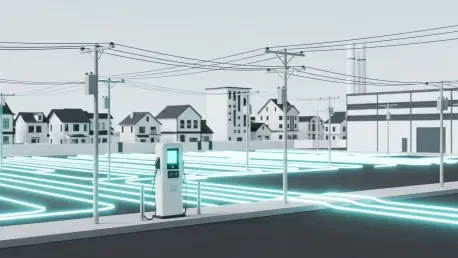
Sustainability is another key component, highlighted by an electric vehicle (EV) time-of-use rebate program. Although capped at 2,000 residential participants through 2030, this initiative incentivizes off-peak charging to help manage overall grid demand. By integrating these forward-looking technologies with traditional infrastructure upgrades, the settlement sought to create a more resilient and adaptable energy network capable of handling modern load profiles.
Adapting to a High-Demand Energy Landscape
The PPL settlement serves as a bellwether for the future of the utility industry, particularly in regions experiencing a tech boom. As data centers and AI-driven infrastructure continue to expand, regulatory bodies will likely look to this deal as a model for how to integrate high-load customers without compromising service for residential users. The proactive stance on 10-year service terms and minimum load guarantees suggests a shift toward more rigorous corporate accountability in energy consumption.
Furthermore, the focus on EV rebates and storm resilience indicates that future utility growth will be intrinsically linked to environmental adaptation. Economic and regulatory changes are moving toward a “user-pays” model for large industrial upgrades, ensuring that the financial risks of massive technological shifts are borne by the entities driving that demand. This approach mitigates the risk of local communities subsidizing the massive energy requirements of global corporations.
Strategic Takeaways for Consumers and Stakeholders
The major takeaway from this settlement is the successful negotiation of a middle ground that protects various interest groups. For businesses and industrial stakeholders, the clear-cut requirements for large-load tariffs provide a predictable, albeit more demanding, framework for expansion. For residential consumers, the two-year rate freeze and expanded assistance programs offer a necessary buffer against rising costs.
Actionable strategies for consumers include taking advantage of the expanded weatherization programs and EV rebates to lower long-term energy expenditures. Professionals in the energy sector should note the importance of the stranded asset protections, which serve as a best practice for maintaining financial health in a rapidly changing market. Organizations must now prepare for a regulatory environment where growth is closely tied to community reinvestment.
Ensuring Stability Amidst Unprecedented Growth
The settlement marked a decisive step for PPL Electric Utilities and its 1.5 million customers. By balancing the immediate financial needs of the utility with long-term consumer protections and industrial accountability, the agreement provided a stable foundation for Pennsylvania’s energy future. It acknowledged the reality of a high-demand, tech-driven world while refusing to leave the average resident behind.
Ultimately, this deal underscored the significance of proactive grid management and social responsibility. As the state moved toward a period of unprecedented demand growth, the lessons learned from this compromise became vital in ensuring that the lights stayed on, the costs remained manageable, and the infrastructure remained ready for the next decade of industrial evolution. Moving forward, customers were encouraged to engage with local efficiency programs to further mitigate the impact of the 4.9% rate adjustment.