
The quiet but unmistakable jump in a monthly utility bill often serves as the first signal to households and businesses that larger economic and infrastructural shifts are underway. More than just an inconvenience, this upward trend in utility rates is a critical indicator of widespread economic pressures, the urgent need for grid modernization, and the complex transition toward new energy sources. This analysis will dissect the primary reasons behind these increases, examine a real-world rate hike request to understand its components, and explore the future implications for consumers, businesses, and the broader economy.
The Anatomy of a Rate Hike Request
Quantifying the Financial Impact on Consumers
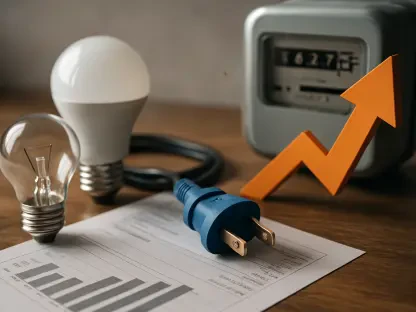
The most immediate effect of any rate proposal is felt directly in the consumer’s wallet. In South Carolina, Dominion Energy’s recent request provides a clear example of this impact. The proposal seeks to increase residential rates by 12.7%, translating to a tangible rise for the average household. A typical residential customer using 1,000 kilowatt-hours per month would see their bill climb by approximately $20 to a new total of $177. Simultaneously, the utility has proposed increases of 5.9% for commercial customers and a substantial 14.9% for industrial users, spreading the financial burden across all sectors.
Beyond the direct rate increase, a key component of the utility’s filing is its request to raise its allowed Rate of Return on Equity (ROE) to 10.5%. This figure represents the profit the company can earn on its investments, which it argues is necessary to attract capital in competitive financial markets. However, this request stands in contrast to industry benchmarks reported by S&P Global, which show an average ROE of 9.74% for 2024. This discrepancy often becomes a central point of contention in regulatory proceedings, as it directly influences the final cost passed on to customers.
Justifying the Need Key Cost Drivers
Utilities build their case for higher rates on a foundation of significant and unavoidable expenses. For Dominion Energy, a primary justification is the $1.4 billion invested in modernizing its electric grid. These capital projects, including major transmission and distribution upgrades, are essential for improving reliability and preparing the system for future challenges. Such large-scale infrastructure investments cannot be funded by existing revenue alone, necessitating recovery through customer rates.
Operational costs and unforeseen events also exert significant pressure on utility finances. The extensive restoration efforts following the devastation of Hurricane Helene, described by the company as the largest in its history, incurred massive expenses that must be recouped. Compounding these acute events are chronic economic pressures like inflation and tariffs, which drive up the cost of materials and labor. These factors create a financial environment where maintaining service quality requires a larger revenue stream.
Furthermore, surging energy demand driven by robust economic growth is a powerful catalyst for rate increases. South Carolina projects a 25% increase in electricity demand, fueled by major industrial projects such as a new multi-billion dollar electric vehicle manufacturing plant. Meeting this new demand requires building additional capacity and strengthening the grid, investments that are ultimately funded by the entire customer base.
The Regulatory Arena Balancing Interests
Utility rate requests do not operate in a vacuum; they are subject to intense scrutiny from regulatory bodies and consumer advocates. In this case, the South Carolina Department of Consumer Affairs has formally intervened, signaling its intent to analyze the proposal rigorously. The department’s role is to act as a watchdog, challenging any components of the request it deems excessive or not in the public’s best interest, thereby ensuring that consumers are protected from unwarranted financial burdens.
The ultimate decision rests with the Public Service Commission, the state body tasked with the delicate balancing act of setting fair utility rates. The commission must weigh Dominion’s need to maintain its financial health and invest in a reliable grid against the economic impact on residents and businesses. Its ruling, expected by early July, will determine the final figures and set a precedent for how the state manages the intersecting needs of infrastructure, economic development, and consumer affordability.
Future Projections What Lies Ahead for Energy Costs
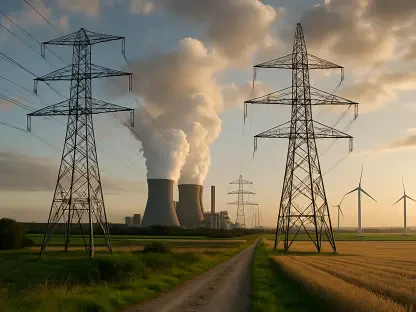
The trend of rising utility rates is not confined to a single state but reflects a national reality. Across the country, utilities face immense pressure to invest billions in grid resilience to withstand extreme weather, enhance reliability to support a digital economy, and comply with evolving environmental regulations. These foundational requirements signal that sustained upward pressure on energy costs is likely to become a standard feature of the economic landscape for the foreseeable future.
The broader implications of this trend are significant. For households, rising energy bills present a direct challenge to affordability, squeezing budgets already strained by inflation. For businesses, higher utility costs translate to increased operational expenses, which can impact profitability and competitiveness. Consequently, rate structures play a dual role: they are essential for funding the energy infrastructure that underpins economic development, yet if they rise too sharply, they can potentially hinder that same growth.
Conclusion Adapting to a New Energy Landscape
It is clear that utility rate hikes are a complex issue, driven by a powerful confluence of aging infrastructure, surging economic growth, and escalating operational costs. These are not isolated events but rather symptoms of a broader energy transition that demands massive investment and careful financial management. Understanding these interconnected dynamics is essential, as they are becoming a recurring and defining feature of the modern economy.
Moving forward, the critical challenge lies in navigating this new energy landscape collaboratively. A future that is both reliable and affordable depends on fostering a transparent and continuous dialogue between utilities, regulators, and the public. Only through such a balanced approach can communities ensure the grid is prepared for tomorrow’s demands without placing an unsustainable burden on the households and businesses of today.