
The shivering cold of a Tucson winter morning became an agonizing reality for a local journalist who found their home plunged into darkness after a bureaucratic failure stalled federal heating assistance. This individual, despite qualifying for the Low Income Home Energy Assistance Program, became a visible casualty of a system where the wires connecting a home to the grid are owned by a corporation rather than the community. While a singular “snafu” in paperwork might seem like a clerical error, for a family in the Sonoran Desert, it represents a terrifying loss of safety. This incident was not a solitary anomaly but a reflection of a broader, deepening crisis. Just months prior, Tucson Electric Power issued thousands of shutoff notices that were set to take effect right before the holiday season. The reality for many residents is that electricity has transformed from a fundamental utility into a precarious luxury, as the disparity between massive corporate earnings and the average family’s ability to keep the lights on continues to expand.
The social fabric of Tucson is currently being tested by a widening economic divide that dictates who can afford to stay cool in the summer and warm in the winter. In a city where temperatures regularly swing to extremes, the utility bill has become the primary source of anxiety for the working class. The narrative of the journalist who sat in a freezing home is a microcosm of a larger systemic failure that has left thousands of Arizonans vulnerable. Even with federal safety nets in place, the friction between private utility management and public assistance programs often creates gaps that people fall through. The looming threat of a dark home is no longer a distant fear but a recurring monthly stressor for those living paycheck to paycheck. This atmosphere of uncertainty has galvanized a local movement that views energy not just as a commodity to be bought and sold, but as a basic human right that requires a new form of governance.
The Growing Price of Staying Powered in the Desert
The current tension in Tucson arises from a fundamental conflict between the drive for private profit and the necessity of public service. Tucson Electric Power operates as a subsidiary of a massive North American conglomerate, a corporate entity that reported a staggering $1.6 billion in profits across its operations last year. This business model is designed to prioritize shareholder dividends, a fact that sits uneasily with residents who have seen their monthly costs skyrocket. As the city approaches the expiration of its long-standing 25-year franchise agreement in April 2026, the community is facing a historic moment of reckoning. For decades, the private utility model was the unquestioned standard, but a series of aggressive rate hikes has shifted the public consciousness. People are starting to ask why a service essential for survival is being managed by an entity that answers to international investors rather than the local neighborhood.
The financial burden on Tucson households has reached a level that many describe as unsustainable. Over the past three years, residential electricity rates have climbed with a velocity that matches the cumulative increases seen over the preceding two decades. This rapid escalation has pushed the conversation about utility policy out of the dry halls of government and into the streets. The term “energy sovereignty” has become a rallying cry for activists and frustrated citizens who want to reclaim control over their local infrastructure. The franchise agreement expiration provides a rare window of opportunity for the city to reconsider its relationship with the utility company. It is no longer just about the price of a kilowatt-hour; it is about the power dynamic between a community and the monopoly that provides its most essential resource.
The political landscape in Arizona has shifted as the public demands more accountability from those who control the grid. The Arizona Corporation Commission, which oversees utility regulation, has faced intense scrutiny for its role in approving the recent wave of rate increases. Critics argue that the regulatory body has become too aligned with the interests of the companies it is supposed to monitor, leading to a sense of betrayal among the voting public. This perceived regulatory capture has fueled the fire for municipalization, as residents look for a way to bypass state-level politics in favor of local, transparent management. The debate is no longer confined to technical jargon or economic theory; it has become a deeply personal issue that touches every home in the city. As the deadline for the franchise agreement nears, the pressure on city leaders to find a more equitable path forward continues to mount.
The Breaking Point of the Investor-Owned Model
The argument for transitioning to a public power model is rooted in the belief that a city-run utility can offer more stability and lower costs than a private corporation. National data provides a compelling foundation for this perspective, showing a stark contrast in how different utility models handle economic shifts. While investor-owned utilities have seen their rates outpace inflation by nearly 50 percent over the last few years, public utilities have managed to keep their increases significantly lower than the general rate of inflation. This disparity suggests that when the profit motive is removed from the equation, the savings can be passed directly to the consumer. In a municipal model, the primary goal is to maintain the system and keep service affordable, rather than maximizing the return on investment for distant shareholders.
Economic reinvestment is another cornerstone of the municipalization argument. Under the current private model, a significant portion of the revenue generated from Tucson residents is exported to fund corporate operations and provide dividends to investors across the globe. Transitioning to a public utility would mean that these funds stay within the city limits. This revenue could be redirected to support local infrastructure, improve city parks, or bolster emergency services. The city of Mesa, Arizona, stands as a prominent local example of this model in action. By operating its own utility, Mesa has created a stable and reliable revenue stream that supports the city’s general fund while maintaining a high level of local accountability. This blueprint offers a vision of what is possible when a community takes ownership of its own energy future.
The human cost of the investor-owned model is most visible in the rising number of service disconnections. Between 2021 and the current year, residential shutoffs by the local utility rose by 32 percent, a figure that drastically exceeds the modest 3 percent growth in the customer base. This disconnect between utility policy and the humanitarian needs of the community highlights a systemic flaw in the private model. When a utility is driven by the bottom line, the survival of its most vulnerable customers can become a secondary concern. The aggressive pursuit of unpaid accounts, even in the face of extreme weather or economic hardship, has led many to conclude that the current system is fundamentally broken. Public power advocates argue that a municipal utility would be better positioned to implement compassionate billing practices and robust safety nets, ensuring that no one is left in the dark due to a temporary financial setback.
Analyzing the Potential Move to Municipal Power
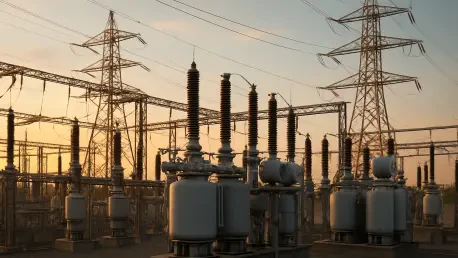
A comprehensive feasibility study commissioned by the Tucson City Council has provided a complex and sometimes daunting roadmap for this transition. Conducted by GDS Associates, the study examines the financial, legal, and operational hurdles that the city would face if it chose to buy back the electrical grid. The potential move to municipal power is a high-stakes gamble that requires a clear understanding of both the risks and the rewards. Proponents of the plan point to the long-term benefits of local control, while skeptics warn of the massive debt and logistical challenges associated with such a large-scale takeover. The study serves as the foundational document for a debate that will define the city’s economic trajectory for the next generation.
The financial reality of municipalization is one of the most contentious points of discussion. Initial estimates for the cost of purchasing the grid have risen sharply, with current projections placing the price tag between $1.9 billion and $3.7 billion. Some local officials have expressed concern that when the costs of debt service and infrastructure upgrades are included, the total obligation could eventually reach billions more. This massive upfront investment would likely be funded through municipal bonds, which would need to be paid back over several decades. Critics argue that this level of debt could strain the city’s credit rating and limit its ability to fund other essential services. However, supporters of the plan maintain that the long-term savings would more than justify the initial expense, as the city would no longer be paying for corporate overhead and profit margins.
Despite the high cost of entry, the feasibility study suggests that municipalization could lead to significant long-term savings for Tucson residents. Projections indicate that in the first five years of public operation, the average household could save hundreds of dollars annually. As the initial debt is paid down, these savings are expected to grow, potentially reaching over $1,000 per year after 15 years of municipal management. This promise of future relief is a powerful motivator for those who are currently struggling to pay their bills. Furthermore, a public utility would be governed by a locally elected board or the city council, providing a level of transparency and responsiveness that a private corporation cannot match. The ability for citizens to have a direct voice in utility policy is seen by many as the ultimate form of democratic accountability.
Expert Insights and Economic Projections
The movement for public power has gained significant momentum through the vocal support of high-ranking state officials. Arizona Attorney General Kris Mayes has been a prominent critic of the private utility model, characterizing recent rate hike requests as examples of “blatant corporate greed.” Her office has argued that the current regulatory system in Arizona is failing to protect consumers from unnecessary costs. This sentiment is echoed by many residents who feel that the Arizona Corporation Commission has become a rubber stamp for utility interests. The argument for municipalization is often framed as a way to escape this perceived regulatory capture and return power to the hands of the people who actually use and pay for the service.
The corporate response to the threat of municipalization has been swift and aggressive. The leadership of Tucson Electric Power has characterized the city’s interest in a buyout as a “hostile takeover” based on what they claim are false promises and faulty economic assumptions. They argue that the city lacks the expertise and resources to manage a complex electrical grid and that the move would ultimately lead to higher rates and decreased reliability. This pushback signals that any attempt by the city to exercise its right to purchase the infrastructure will likely be met with protracted and expensive litigation. The prospect of a long legal battle is a major concern for city leaders, as the costs of defending a buyout in court could run into the millions, further complicating the financial picture.
There is also a nuanced debate regarding the ethics and efficacy of service disconnections in a public versus private model. Interestingly, some research suggests that municipal utilities can sometimes have higher rates of disconnection than private ones. Analysts believe this occurs because public utilities are often under intense pressure to remain fiscally sound and avoid using general tax funds to cover unpaid bills. In contrast, large private utilities have the financial cushions provided by their massive profits to theoretically avoid shutoffs, though they often choose not to. This paradox suggests that simply changing the ownership of the utility is not a panacea. For public power to truly serve the community, it must be paired with intentional policy reforms that prioritize human welfare over strict balance sheet management. The transition must involve a rethinking of how the city supports its residents during times of crisis.
Strategic Paths Toward Energy Sovereignty
Tucson leaders are currently exploring several different frameworks to address the utility crisis, as the total buyout of the grid is not the only option on the table. One of the most radical strategies involves a full purchase of the existing infrastructure, a move that offers the highest level of local control but also carries the most significant financial risk. This path would require a massive mobilization of public support and a clear plan for managing the technical complexities of the grid. While the long-term benefits of rate stability are attractive, the immediate hurdles of debt and potential litigation make this a difficult path for many politicians to fully embrace. Nevertheless, the full buyout remains the gold standard for those who want a complete break from the investor-owned model.
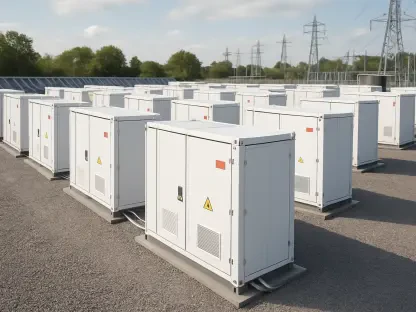
A more modular approach has been proposed by some members of the city council, focusing on the development of neighborhood-scale microgrids. This “third option” would involve the city building a new, public utility from the ground up, starting with small, localized systems powered by solar energy and battery storage. This strategy would allow the city to compete directly with the private utility without the need for a multi-billion dollar buyout of aging infrastructure. By creating pilot programs in specific neighborhoods, the city could incrementally build a public alternative while testing the viability of new technologies. This path offers a way to bypass some of the legal and financial roadblocks of a full takeover while still moving the city toward the goal of energy sovereignty.
Improving existing safety nets is a critical priority that must be addressed regardless of who owns the utility. Advocates are calling for significant reforms to programs like the Low Income Home Energy Assistance Program to prevent the kind of bureaucratic delays that left the local journalist in the cold. There is a growing demand for policies that ensure shareholders, rather than struggling families, bear the burden of unpaid accounts during economic downturns. By strengthening these protections, the city can provide immediate relief to those in need while the larger debate over ownership continues. These reforms represent a vital bridge between the current system and a future where energy is treated as a public good.
The final strategy being discussed involves fostering incremental competition to force the private utility to improve its performance. By implementing pilot programs and allowing for more local energy generation, the city can create a competitive environment that incentivizes the private provider to lower its rates and improve its service. This approach uses the threat of municipalization as a bargaining chip to extract better terms for the community during franchise negotiations. It is a more cautious path that seeks to balance the desire for local control with the need for financial stability. Ultimately, the decision Tucson makes in the coming months will serve as a landmark for utility policy across the West. The struggle for power in this desert city has become a test of whether a community can reclaim its most essential resources from the grasp of corporate interests.
The movement toward public power in Tucson emerged from a deep-seated frustration with a system that appeared to prioritize profit over people. As residents watched utility rates climb while corporate earnings hit record levels, the push for municipalization transformed from a fringe idea into a central political issue. The feasibility studies and economic projections provided a complex look at the challenges ahead, but they also offered a glimpse of a more equitable future. City leaders weighed the risks of massive debt against the promise of long-term affordability and local accountability. Throughout the process, the voices of the most vulnerable citizens served as a constant reminder of what was at stake in this transition. The city eventually moved toward a hybrid model that combined the development of community microgrids with stricter oversight of existing providers. This evolution in utility management reflected a growing consensus that energy should be a shared public resource. By the end of this period, the conversation in Tucson had fundamentally shifted from how to pay the bills to how to build a more resilient and sovereign community.