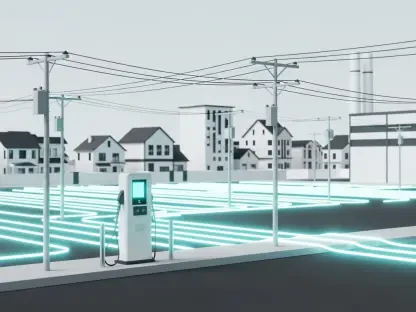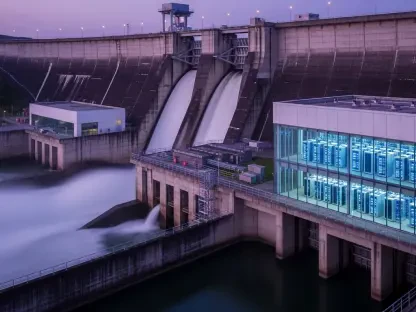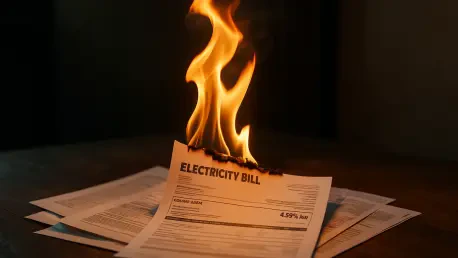

A convergence of structural, economic, and environmental factors has locked the United States into a trajectory of rapidly escalating electricity bills, creating a formidable affordability crisis that now extends deep into middle-income households. This is not a temporary anomaly or a short-term market fluctuation; rather, it is a deeply embedded reality. As industry experts bluntly state, for 2026, “The cake is baked,” signifying that the massive financial commitments and systemic pressures driving these price hikes are already locked in for years to come. The U.S. Energy Information Administration (EIA) forecasts that the national average residential price per kilowatt-hour will reach 18 cents in 2026, a substantial 37% increase from 2020 levels, outpacing both inflation and wage growth. This relentless rise is creating tangible hardship, with the National Energy Assistance Directors Association reporting a sharp increase in household energy debt and projecting that forced disconnections for nonpayment could climb to 4 million households, up from 3 million just two years ago.
The Drivers Behind the Surge
After decades of relatively flat growth, the country is grappling with a new era of surging electricity consumption, a trend that is profoundly reshaping energy markets and straining the existing grid infrastructure. The EIA anticipates that this will be the strongest four-year growth period for electricity demand this century, driven by the broad electrification of buildings and transportation, significant industrial expansion, and, most notably, the unprecedented power demands of large-load data centers. The impact is quantifiable and stark; in the PJM Interconnection, the nation’s largest grid, the load from data centers was responsible for $6.5 billion, or 40%, of the costs in a recent capacity auction. While conventional wisdom suggests higher demand inevitably leads to higher prices, some research presents a more nuanced view. Sustained and well-managed load growth could potentially lower per-unit costs by spreading fixed infrastructure expenses over more kilowatt-hours sold. However, the immediate challenge lies in planning for this growth, as poorly managed spikes in demand can trigger significant and painful near-term price increases for all consumers.
A primary driver of rising bills is the enormous and long-overdue capital investment in the nation’s transmission and distribution systems, which are being upgraded to both replace aging components and expand to meet new demand. These investments are being made significantly more expensive by persistent inflation, which has caused the cost of key components like copper wire and switchgear to increase by approximately 60% since 2020. Exacerbating this issue is a foundational flaw in the prevailing utility business model, which is based on a regulated “return on equity” (ROE). This model inherently rewards utilities for capital investment, creating a powerful incentive to “spend money to make money” rather than pursuing potentially cheaper non-capital solutions like energy efficiency or demand management. This is particularly acute in the transmission sector, where a “regulatory gap” allows utilities to avoid competitive bidding on the vast majority of projects. This lack of competition, critics contend, leads to inflated costs, with the nearly $154 billion spent annually on transmission translating into a staggering $1.8 trillion cost to consumers when financing and other incentives are included.
Climate and Global Market Pressures
The increasing frequency and intensity of extreme weather events, from devastating wildfires to powerful hurricanes, are forcing utilities to undertake costly grid upgrades and repairs that are passed directly to ratepayers. In 2023, U.S. residents experienced more power outages than in any year over the previous decade, highlighting the urgent need for investment in “grid hardening” to improve resilience against climate-related threats. These necessary upgrades come with a multi-billion-dollar price tag. Furthermore, the rising risk has led to skyrocketing insurance costs for utilities, particularly in disaster-prone states. In California, for example, wildfire mitigation efforts cost ratepayers $27 billion between 2019 and 2023. A remarkable 40% of that total stemmed not from physical upgrades but from the soaring cost of insurance coverage alone, a clear indicator of how the financial consequences of climate change are directly impacting household utility bills.
Because natural gas-fired power plants often set the marginal price of electricity in many regional markets, fluctuations in natural gas prices have a critical and immediate impact on consumer bills. While prices are expected to dip slightly in the near term, the EIA forecasts they will rise again as demand outpaces production. A major driver of this demand is the rapid expansion of liquefied natural gas (LNG) exports. According to a recent report, the eight U.S. LNG export facilities now consume more natural gas than all 74 million domestic residential gas customers combined. This immense export-driven demand places significant upward pressure on domestic prices, directly translating to higher electricity bills for American households. At the same time, the necessary transition to cleaner energy sources also contributes to near-term price increases. State-level policies like Renewable Portfolio Standards, while crucial for long-term decarbonization, were found to have added about 0.4 cents per kilowatt-hour to retail prices in the last five years as utilities invested in new renewable supplies.
An Uphill Battle for Relief
The growing political salience of energy affordability has spurred action from state regulators and elected officials who are facing increasing pressure from constituents. At least six states introduced legislation aimed at limiting the “return on equity” that utilities are permitted to earn on their investments. In a notable move, California’s Public Utilities Commission recently lowered the ROE by 0.3 percentage points, while New Jersey’s governor issued executive orders to freeze electricity cost increases and push regulators to modernize the utility business model to be less dependent on capital spending. These actions signal a growing recognition of the severity of the affordability crisis. However, many consumer advocates remain skeptical, arguing that these responses may be too little, too late. They point out that freezing rates, while politically popular, simply locks them in “at the highest they’ve ever been” and fails to address the underlying cost drivers that will continue to push prices upward once the freezes expire.
Ultimately, the policy responses initiated to date struggled to match the scale of a crisis rooted in decades of underinvestment and misaligned incentives. Federal support systems, most notably the Low Income Home Energy Assistance Program (LIHEAP), faced an uncertain future even as experts argued its budget needed a five- to tenfold increase to adequately address the escalating need. The complex interplay of demand growth, essential but costly infrastructure investments, a flawed regulatory framework, volatile global energy markets, and the unavoidable costs of climate adaptation ensured that significant, widespread bill relief remained out of reach. The financial commitments had already been made, the infrastructure costs were baked into the system, and American consumers were left to confront a sustained period of rising energy burdens.