
Residents across southeastern Pennsylvania are currently standing at a financial crossroads as the basic necessity of electricity undergoes a significant price transformation. The mechanical hum of the power grid, often ignored until it fails, is the focal point of a massive $429 million request submitted by PECO Energy to the Pennsylvania Public Utility Commission. This proposal is not merely a request for more revenue; it represents a fundamental shift in how 1.7 million customers will pay for the modernization of an aging infrastructure that must now contend with an increasingly volatile climate.
The looming 2027 deadline marks a pivot point for the utility’s fiscal strategy, shifting toward a “forward test year” model that attempts to predict future costs before they are fully realized. By syncing the recovery of capital with the actual timeline of construction and maintenance, PECO aims to close the gap between spending and revenue. This move signals a transition from reactive repairs to a proactive overhaul of the wires, poles, and substations that power Philadelphia and its surrounding counties, ensuring the lights stay on even as the regional environment becomes more unpredictable.
The Price of Reliability: Why Your Electric Bill Is Poised for a Shift
Securing the stability of the local energy network comes with a substantial price tag that will soon be reflected on monthly statements. The $429 million increase requested from the Public Utility Commission is designed to fuel a massive injection of capital into a system that has long been the backbone of the regional economy. This financial adjustment is more than a simple hike; it is a calculated attempt to address the long-term cost of maintaining a resilient delivery system in a region where power demands continue to evolve.
The timeline for this change is set for 2027, creating a buffer for the utility to finalize its planning while giving consumers time to prepare for the inevitable shift. This upcoming era of energy pricing is built on the necessity of reinforcing the grid against external shocks, ranging from cyber threats to physical degradation. By addressing these needs now, the utility argues that it can prevent even more costly emergency repairs in the future, effectively trading a higher current bill for the promise of uninterrupted service.
From Aging Wires to Extreme Weather: The Forces Driving Higher Rates
The physical infrastructure of southeastern Pennsylvania is currently under immense pressure from both the passage of time and the increased frequency of severe weather events. Old copper wires and vintage substation components are struggling to keep pace with modern electrical loads and the violent storms that have become a common occurrence. PECO’s strategy involves a $9.8 billion capital expenditure plan extending through 2030, which focuses on replacing vulnerable points in the distribution chain before they lead to catastrophic failure.
To manage this massive undertaking, the “Forward Test Year” strategy is being utilized to align today’s investments with tomorrow’s expected costs. This methodology allows the utility to secure the necessary funding for large-scale projects, such as the hardening of overhead lines and the replacement of underground cables that are nearing the end of their operational life. By analyzing the vulnerability of the system through this forward-looking lens, the company hopes to build a grid that is not just functional, but truly resilient against the elements.
Breaking Down the Numbers: How the Increase Hits Different Households
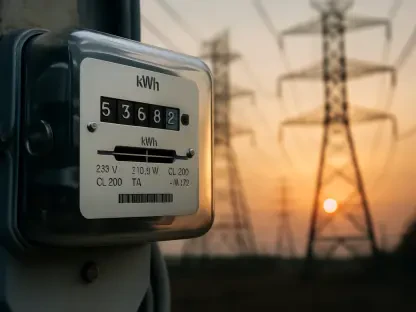
The impact of this rate hike will vary significantly depending on the type of consumer, with residential households bearing a notable portion of the weight. For an average family consuming 700 kWh per month, the proposed 11% to 12.5% increase could see monthly bills climb to approximately $180.45. While this represents a significant jump for the average budget, the utility is also proposing an offsetting strategy to dampen the immediate price shock by amortizing specific costs over a longer period, potentially reducing the residential hike to about 11.1%.
Commercial and industrial sectors will also see adjustments, though their percentage increases are generally lower than those for residential users. Specifically, large-scale industrial operations might see a rise of only 2% to 4.2%, reflecting the different ways these entities interact with the high-voltage grid. Part of these funds is earmarked for a $130 million vegetation management initiative, which seeks to mitigate the most common cause of local outages: trees falling onto power lines during high-wind events.
Economic Realities and the Fight for Investor Capital
At the heart of this proposal lies the complex world of utility finance, where a 10.95% Return on Equity (ROE) is viewed as essential for attracting the capital needed for infrastructure. Because PECO is competing with other utilities and investment opportunities globally, maintaining a competitive return is the only way to secure the low-interest loans required for multi-billion dollar projects. Financial experts have noted that PECO’s planned spending is exceptionally high compared to its peers, representing nearly 88% of its current net electric plant value.
External economic pressures, such as persistent inflation and geopolitical volatility, have made the cost of borrowing much higher than in previous decades. When interest rates rise, the cost of building a new substation or burying a mile of cable increases exponentially. To navigate these global pressures, the utility must demonstrate to investors that it is a stable and profitable entity, ensuring that the necessary funds remain available to support the massive $9.8 billion modernization plan through the end of the decade.
Strategies to Manage Rising Energy Costs in a Changing Landscape
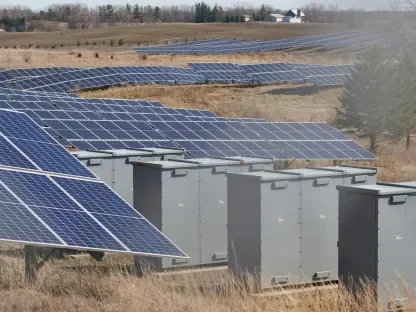
As the 2027 implementation date approaches, the focus is shifting toward how consumers can leverage technology to mitigate their own costs. A pilot study for residential solar and battery storage integration is currently being explored to see if decentralized energy can reduce the overall load on the primary grid. These “green tech” solutions offer a potential pathway for homeowners to shield themselves from delivery charge increases while contributing to the overall stability of the regional energy network.
The path forward involved a thorough participation in the Public Utility Commission’s review process, which often resulted in a final approved rate lower than the original request. Consumers were encouraged to adopt high-efficiency appliances and participate in existing demand-response programs to offset the projected delivery charges. By integrating smart meters and energy-saving habits now, households positioned themselves to better navigate the financial realities of a modernized, yet more expensive, electrical landscape.