
The era of predictable and inexpensive utility bills has effectively vanished for the American consumer as retail power prices climb to heights once thought improbable. In the current economic climate of 2026, households and businesses are navigating a landscape where the cost of a kilowatt-hour is no longer a marginal concern but a primary budgetary driver. Recent data indicates that the trajectory of these rates has shifted from a slow climb to a steep ascent, fueled by a convergence of aging infrastructure, aggressive capital investment, and the volatile nature of a modernizing energy grid. This shift necessitates a deep dive into the underlying mechanics of the energy market to understand why the price of staying connected has reached such a critical juncture.
Tracing the Path to High Prices: Historical Context and Recent Shifts
To grasp the magnitude of the current pricing crisis, one must look at the relative stability that characterized the early 2010s, a period that has since been overshadowed by rapid cost escalations. Since 2019, the average residential price for electricity in the United States has surged by approximately 33%, leaping from roughly 13 cents to over 17 cents per kilowatt-hour. This sharp upward break from historical norms represents a fundamental transformation in how utility costs are passed through to the public. Unlike previous decades where increases were often incremental and easily absorbed, the recent spikes reflect the full realization of “baked-in” operational expenditures that were deferred for years.
Commercial and industrial sectors have experienced a similarly jarring transition, with rates rising by 26% and 27%, respectively, during this same timeframe. These shifts are significant because they indicate that the structural costs of power delivery—including fuel volatility and the maintenance of a decaying grid—are no longer being shielded by regulatory delays or temporary subsidies. As these costs settle onto the bills of every consumer class, the economic ripple effects are being felt across every layer of the American economy, from manufacturing costs to the daily survival of small businesses.
Understanding the Economic Impact and National Rate Disparities
The Growing Burden on American Households and Vulnerable Demographics
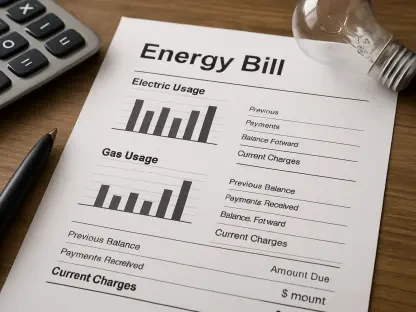
The most visceral aspect of this pricing trend is the “crisis view,” which centers on the systemic financial strain placed on low-income families and those living on fixed budgets. As electricity rates outpace wage growth for a significant portion of the population, nearly one-third of U.S. households now allocate more than 5% of their total income solely to power their homes. This burden is particularly heavy for those residing in older, less efficient housing stock or in regions where extreme weather requires constant climate control. For these individuals, the price surge is not merely a data point but a monthly choice between keeping the lights on and purchasing other life essentials.
Inflationary Trends and the Nuanced Reality of Real Costs
While the nominal figures on utility bills are at an all-time high, a more nuanced economic analysis reveals that these hikes often mirror the broader inflationary trends currently impacting the U.S. economy. When adjusted for inflation, the “real” price of electricity in 29 states has actually remained stable or even slightly decreased between 2019 and the present. This perspective suggests that while the numbers are larger, the actual energy burden for many households has not necessarily worsened if their income has kept pace with the Consumer Price Index. However, this statistical comfort provides little relief to those whose earnings have stagnated or who live in high-cost energy zones.
Regional Disparities and the Impact of Local Infrastructure
The complexity of the current market is further defined by massive regional disparities that create a fragmented national energy experience. Geographic “hotspots” like California, the Northeast, and the Mid-Atlantic have seen price surges that dwarf the national average. These localized spikes are frequently the result of specific challenges, such as the massive costs associated with wildfire mitigation in the West or the logistical difficulties of importing natural gas into New England. Furthermore, the rapid integration of renewable energy requires expensive new transmission infrastructure to move power from rural generation sites to urban hubs, often leading to short-term rate increases even as the cost of generation itself falls.
Looking Ahead: The Future of Utility Investments and Regulation
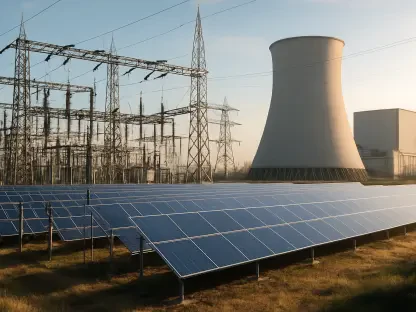
The trajectory of electricity rates is poised to remain on an upward path as the market moves through the final years of the decade. Investor-owned utilities recently proposed a staggering $18 billion in rate increases, a level of revenue requesting that the industry has not seen since the mid-1980s. Emerging trends such as “grid hardening”—which involves physically strengthening poles, wires, and substations against severe weather events—continue to demand massive capital outlays. Additionally, the national push toward electric vehicles and heat pumps is creating a surge in demand that requires utilities to invest in entirely new generation and storage capacity.
Navigating the High-Cost ErStrategies for Consumers and Businesses
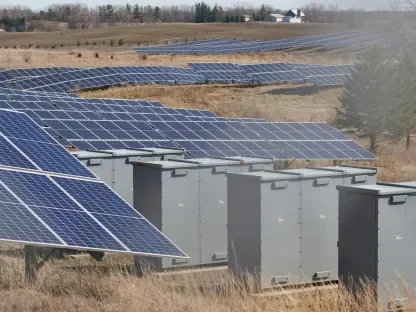
In this environment of elevated prices, the need for a proactive and strategic approach to energy management has never been more vital. For residential consumers, the most effective defense remains a focused investment in energy efficiency, utilizing smart technologies and improved insulation to lower the overall volume of consumption. Businesses are increasingly turning toward demand-response programs, which offer financial incentives for reducing usage during peak periods, or deploying on-site solar and battery systems to decouple their operations from the volatility of the retail grid. Viewing energy as a controllable variable rather than a fixed overhead cost has become a best practice for maintaining competitiveness in a high-rate world.
Conclusion: Adapting to a New Energy Reality
The analysis of the current power market revealed that the combination of aging infrastructure, climate-driven recovery costs, and inflationary pressure created a permanent shift in the U.S. energy landscape. While the inflation-adjusted data provided a broader economic context, the financial reality for many households remained a significant and growing burden. As the transition toward a more resilient and decentralized grid progressed, it became clear that the era of cheap, stagnant power prices had ended. Strategic energy planning and the adoption of high-efficiency technologies emerged as the primary tools for mitigating these costs, ensuring that energy remained the backbone of a stable and competitive modern economy.