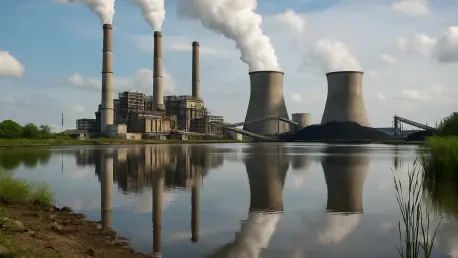

The unassuming streams and rivers that flow past America’s aging coal-fired power plants have become the silent battleground for a high-stakes legal and regulatory war pitting national energy demands against fundamental environmental protections. A recent decision by the Environmental Protection Agency (EPA) to postpone critical clean water standards has ignited a firestorm of controversy, triggering immediate lawsuits from conservation groups who argue that the delay sacrifices public health for industry convenience. This conflict raises a pivotal question about the nation’s priorities: how to balance the soaring need for electricity with the legal mandate to protect its most vital natural resources from toxic pollution.
While the nation’s energy demands surge for data centers and manufacturing, are the safeguards protecting our waterways being quietly dismantled?
The digital and industrial backbone of the modern economy is expanding at an unprecedented rate, with data centers and advanced manufacturing facilities requiring vast and reliable sources of electricity. This surge in consumption has placed immense pressure on the national power grid, prompting federal regulators to reevaluate the rules governing energy production. In this high-demand environment, the operational longevity of existing power sources, including coal-fired plants, has become a central point of policy discussion.
This economic pressure has intersected directly with long-standing environmental regulations. The focus has sharpened on the financial and logistical burdens that stringent pollution controls place on the coal industry. The administration contends that inflexible regulations could threaten the stability of the energy supply, leading to a reassessment of rules designed to protect the nation’s waterways from industrial pollutants. This shift signals a potential pivot where the perceived needs of the economy are weighed against established environmental laws, creating a tense new chapter in U.S. regulatory policy.
The Battle Over a Deadline: Understanding the Original 2024 Clean Water Mandate
The foundation for the current dispute was laid in 2024 when the previous administration finalized a rule aimed at significantly curbing water pollution from coal power plants. This regulation established a new, more stringent standard under the Clean Water Act, compelling plant operators to invest in and implement modern pollution control technologies. The objective was clear: to end the long-standing practice of discharging untreated or minimally treated toxic wastewater directly into public waterways.
At the heart of the 2024 mandate was a firm compliance deadline of 2029. This timeline provided a five-year window for the industry to adapt, either by retrofitting facilities with the necessary equipment or by scheduling the retirement of older plants that could not meet the new standards. The rule specifically targeted a dangerous cocktail of pollutants commonly found in coal ash and wastewater, including known carcinogens and neurotoxins like mercury, arsenic, and selenium, which pose severe risks to aquatic ecosystems and human health.
A Five-Year Reprieve: Unpacking the EPA’s 2025 Regulatory Rollback
In a significant policy reversal, the EPA under Administrator Lee Zeldin finalized a new rule in December 2025 that effectively dismantles the previous timeline. The updated regulation extends the compliance deadline for effluent limitations by five years, pushing the final date to December 31, 2034. This move grants the coal industry a substantial reprieve from the more immediate requirements of the 2024 mandate.
The EPA has justified this delay as a necessary measure to provide the industry with greater “flexibility.” According to the agency, this extension will allow coal-fired plants more time to develop strategies for producing low-cost electricity while eventually meeting wastewater standards. Administrator Zeldin had foreshadowed this approach earlier in 2025, describing the prior regulations as “heavy-handed” and initiating a call for feedback from industry stakeholders on the implementation challenges they faced, setting the stage for a more accommodating regulatory framework.
Voices from the Frontlines: Environmental Groups Challenge the Delay as Unlawful
The EPA’s decision was met with swift legal opposition. In January 2026, the Center for Biological Diversity and a separate coalition of environmental groups led by the Southern Environmental Law Center (SELC) filed lawsuits to block the rule. The legal challenges, filed in the 9th and 4th Circuit Courts of Appeals respectively, seek a formal review of the deadline extensions published in the Federal Register.
The core argument of these lawsuits is that the EPA’s delay is an explicit violation of the Clean Water Act. The plaintiffs assert that the law requires industrial polluters to use the “most modern and effective pollution control technology available,” a mandate they claim the new rule illegally circumvents. Nick Torrey, a senior attorney at the SELC, argued that proven technologies to capture these toxins already exist, condemning the decision to allow “dirty, outdated plants to keep dumping their toxic pollution into our rivers and lakes for years to come.” This sentiment was echoed by advocates who view the rollback as a retreat from vital public health protections. Taylor Allred of the South Carolina Coastal Conservation League characterized the move as the “EPA retreating from common-sense protections at the industry’s request,” putting communities at unnecessary risk.
The Core Conflict: Weighing Economic Arguments Against Environmental Protection
The standoff over the clean water rules encapsulates a fundamental tension between economic pressures and environmental stewardship. From the EPA’s current perspective, the regulatory delay is a pragmatic response to the nation’s growing energy needs. The agency frames its decision as a crucial step toward ensuring a stable and affordable electricity supply, arguing that rigid, short-term deadlines could disrupt the energy market and impose undue financial burdens on the coal industry.
On the other side of the conflict, environmental and public health advocates argue that the economic justification is a false choice. They contend that the technology to prevent this toxic discharge is both available and affordable, and that any delay represents an unacceptable gamble with the health of communities and the integrity of ecosystems. The legal challenges now serve as a critical test, forcing the judicial system to decide whether the EPA has the authority to prioritize industry flexibility and economic arguments over the explicit environmental mandates established by Congress in the Clean Water Act.
The outcome of this legal confrontation carried profound implications. It directly influenced the health of countless American rivers and lakes, determining the level of toxic pollutants that communities would be exposed to for the next decade. Ultimately, the courts were positioned to deliver a verdict not only on a specific regulatory rule but on the enduring power and priority of one of the nation’s foundational environmental laws in an era of competing economic demands.