
Introduction
For decades, Poland’s economic engine has been powered almost entirely by coal, but the nation now stands at the precipice of a monumental energy transformation with the green light for its first nuclear power plant. This project is more than an infrastructure development; it represents a strategic pivot designed to secure energy independence, stabilize the national grid, and meet ambitious climate targets set by the European Union. This analysis explores the fundamental questions surrounding the project’s viability, covering its financial underpinnings, construction schedule, technological choices, and its ultimate role in shaping Poland’s energy future.
Key Questions or Key Topics Section
How Is This Landmark Project Being Financed
Securing the massive capital required for a nuclear power plant is a primary hurdle for any nation, yet Poland has constructed a robust financial framework that has earned the European Commission’s approval. The project’s total cost is estimated at approximately 192 billion złoty, a figure that demands a combination of public and private investment to ensure its successful completion.
The Polish government has committed to providing substantial public support, with a state aid package of around €14 billion, covering roughly 30% of the total investment. To initiate the construction phase, an initial capital injection of 4.6 billion złoty is planned, managed by the state-owned developer Polskie Elektrownie Jądrowe (PEJ). Beyond government backing, the project has attracted significant global interest, as over 30 commercial banks have expressed preliminary willingness to participate in financing, signaling strong market confidence in the plant’s long-term economic prospects.
What Is the Timeline for Construction and Operation
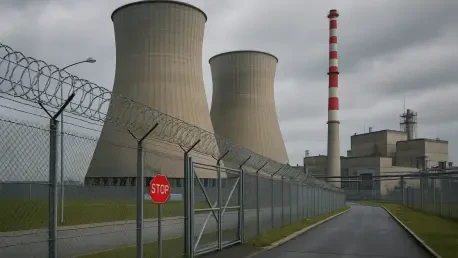
With financing secured, the project moves forward on an ambitious yet clearly defined timeline. The initial construction activities are set to commence in December, marking the official start of a decade-long development process in the northern municipality of Choczewo, near the Baltic Sea.
A critical milestone is scheduled for 2028 with the pouring of the first reactor’s “nuclear concrete,” an event that signifies the transition to the core construction phase. Following this, the first of three reactor units is expected to be completed in 2035 and begin supplying electricity to the national grid in 2036. The final unit is slated to become operational by 2038, completing the plant’s full capacity.
What Technology Will the Plant Use
The technological foundation of the plant is critical for ensuring its safety, efficiency, and longevity. Poland has selected the advanced AP1000 pressurized water reactor technology, supplied by the experienced U.S. firms Westinghouse and Bechtel. The facility will house three of these reactors, each with a generating capacity of 1,250 MWe. This modern technology is designed for a long operational lifespan of 60 to 80 years, positioning the plant as a durable asset in Poland’s energy portfolio for the better part of a century.
Why Is This Plant Considered Crucial for Poland
The nuclear power plant is widely regarded as the cornerstone of Poland’s national energy strategy, essential for breaking its deep-rooted dependency on coal. It offers a solution to the “energy trilemma” by promising to deliver secure, affordable, and environmentally sustainable power.
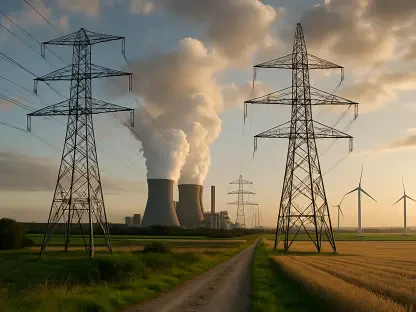
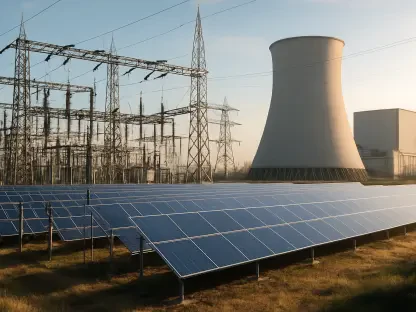
Unlike renewable sources such as wind and solar, which are weather-dependent, nuclear power provides a stable, zero-carbon source of baseload energy. With a projected capacity factor of 88.5% by 2040, the plant will guarantee grid stability and a consistent supply of cost-effective energy for Polish homes and industries. Moreover, its implementation is a direct pathway to achieving climate objectives, as the plant will enable the systematic phasing out of aging coal-fired power stations, leading to a dramatic reduction in CO2 emissions.
Summary or Recap
This examination of Poland’s first nuclear power plant reveals a project built on solid foundations. It is supported by a comprehensive financial strategy approved by the EU, guided by a clear and ambitious construction timeline, and powered by proven, modern reactor technology from American partners. The strategic importance of this facility cannot be overstated. It is poised to deliver reliable, carbon-free energy, significantly enhance Poland’s energy self-reliance, and facilitate the nation’s transition away from fossil fuels, ensuring a more stable and sustainable energy landscape for future generations.
Conclusion or Final Thoughts
The European Commission’s approval of the state aid package was more than a procedural step; it was a definitive endorsement of Poland’s vision for its energy future. This decision effectively unlocked the path for a project that had been debated for years, setting into motion a tangible plan for decarbonization and energy sovereignty. The successful completion of the plant represented a testament not only to engineering and financial planning but also to the nation’s strategic foresight. It demonstrated a resolute commitment to navigating the complex challenges of the 21st-century energy transition, ultimately securing a cleaner and more independent future.