
A historic and unprecedented surge in electricity demand, primarily driven by the voracious energy appetite of data centers, is currently forcing a dramatic reshaping of financial outlooks and capital investment strategies for major utility providers. This “generational load growth phenomenon,” as described by industry leaders, is testing the limits of existing power infrastructure and prompting a swift reevaluation of how energy is generated, transmitted, and paid for across the nation. The sheer scale of this new demand, which has been seen to double in a single quarter for some providers, represents a fundamental shift in energy consumption patterns. This rapid expansion is creating a complex challenge that requires a multi-faceted response, from building new power plants and transmission lines to implementing novel regulatory frameworks designed to manage the immense financial and logistical pressures on the grid, all while attempting to shield traditional consumers from the associated costs.
The Scale of the Demand Surge
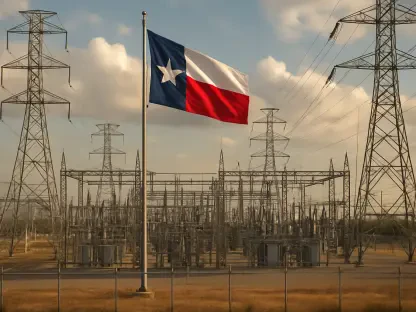
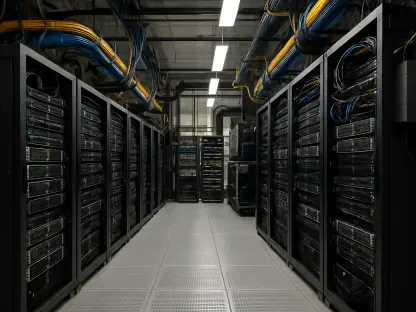
The central indicator of this new energy reality is the staggering growth within the contracted large load pipeline of major utility companies like American Electric Power (AEP), which has expanded from 28 gigawatts (GW) to an astonishing 56 GW in a remarkably short period. This pipeline, which represents confirmed future demand expected by 2030, is overwhelmingly dominated by the digital economy, with data centers alone constituting nearly 90% of this anticipated load. The growth is not evenly distributed; it is highly concentrated in key regions. Texas, a major hub for technological development, accounts for a massive 36 GW of the total projected demand. Following behind are the PJM Interconnection, which serves a multi-state area in the eastern U.S., with an additional 15 GW, and the Southwest Power Pool with 5 GW. Within the competitive Texas ERCOT market, company officials have noted that over half of this new demand originates from hyperscale data center developers, underscoring the immense energy requirements of the world’s largest technology firms.
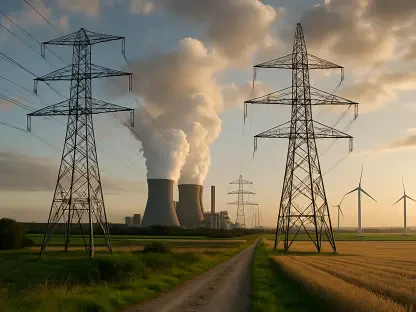
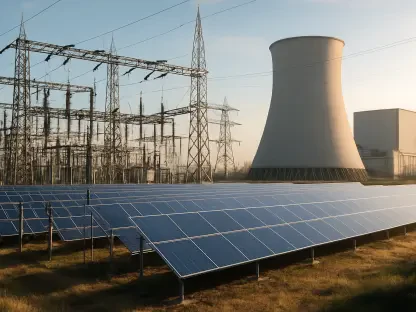
This explosion in projected demand directly fuels a commensurately massive investment plan to bolster the power grid’s capacity and resilience. To meet these new obligations, AEP has outlined a capital expenditure plan totaling $72 billion through 2030. This figure is further supplemented by an anticipated $5 billion to $8 billion earmarked specifically for new transmission projects and the construction of a planned fuel cell facility. Looking further ahead, the long-term strategy to satisfy this sustained high demand necessitates a significant expansion of generation capabilities. Projections indicate a need to acquire approximately 27 GW of new generation capacity by 2035. The proposed energy portfolio to meet this need reflects a diversified approach, with plans calling for 15 GW of new capacity from natural gas, 6 GW from solar power, and an additional 5 GW from wind power, signaling a strategic investment in both traditional and renewable energy sources to ensure a stable and adequate power supply for the future.
Financial and Regulatory Adjustments
In response to this transformative trend, utility companies are actively pursuing innovative regulatory measures to manage the profound financial impact and ensure equitable cost distribution. A key strategy being implemented is the creation of “large load tariffs.” These specialized rate structures are specifically designed to ensure that new, high-demand customers, most notably data centers, bear the direct costs of the specific infrastructure—such as new substations and transmission lines—required to serve them. This approach is strategically aimed at insulating existing residential and commercial customers from significant rate hikes that could otherwise result from this new wave of industrial growth. This forward-thinking regulatory model has already gained approval and is being implemented in states like Ohio, Indiana, Kentucky, and West Virginia, while similar proposals are currently pending review in Michigan, Oklahoma, Texas, and Virginia, reflecting a growing consensus on this cost-allocation method.
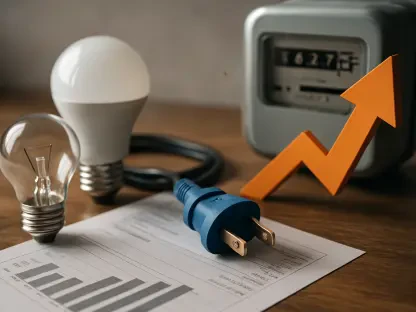
The surge in electricity demand is already translating into robust financial performance for utility providers that are successfully navigating this new landscape. Recent financial results from AEP, for example, show a consolidated return on equity (ROE) of 9.1%, a notable increase from 8.8% in the prior year, with a stated target of reaching 9.5% by 2030. The company’s income experienced a significant 18% jump to $3.6 billion, while its overall revenue grew to $21.9 billion from $19.7 billion. This growth is driven in part by approved rate increases in several states, which are necessary to fund the massive infrastructure upgrades. This financial strength is further bolstered by recent legislative actions in Ohio, Oklahoma, and Texas, which have enacted laws that facilitate faster utility cost recovery. These supportive policies allow companies to more quickly recoup the capital invested in grid expansion, ensuring financial stability and incentivizing the timely development of infrastructure needed to meet the demands of the digital age.
Navigating a New Energy Reality
The situation detailed through the lens of one major utility provider offered a clear illustration of a fundamental shift in national energy consumption. The rapid, large-scale growth driven by data centers represented not just a challenge but a complete reshaping of the energy sector’s future. The strategies that were deployed in response—including massive capital investment in a diversified generation portfolio and the implementation of innovative regulatory tariffs—provided a potential blueprint for how utilities across the country could manage similar demand surges. Ultimately, the successful integration of these power-hungry facilities into the grid depended on proactive infrastructure planning and the development of policies that carefully balanced the needs of industrial growth with the critical importance of protecting residential and commercial consumers from undue financial burdens.