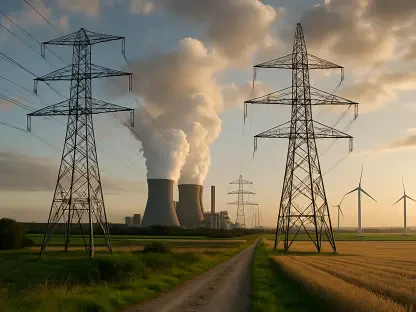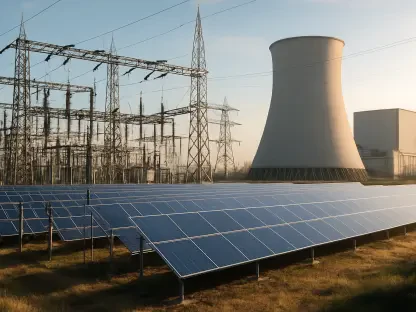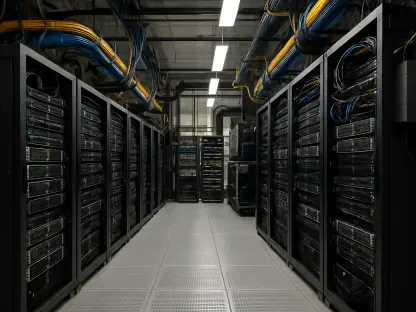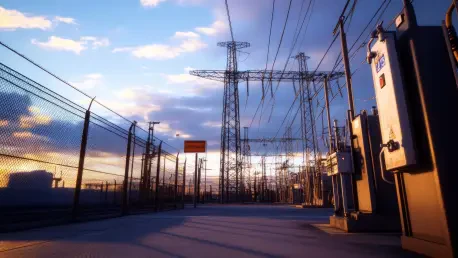

The voracious energy appetite of our hyper-connected digital world, fueled by artificial intelligence and massive data processing, is placing a strain on physical power grids that they were never designed to handle. This growing chasm between digital demand and physical supply presents one of the most significant infrastructure challenges of the modern era, forcing a radical rethinking of how energy is managed and consumed. This situation requires more than just building new power plants; it demands a smarter, more responsive approach to grid management, turning the problem of consumption into part of the solution.
When the Digital World Demands More Power Than the Physical World Can Deliver
As artificial intelligence and data centers begin to consume electricity on the scale of entire nations, a critical question emerges: how can an aging grid infrastructure possibly keep up? The conventional approach of building more power plants and transmission lines involves years of disruptive and costly upgrades, a timeline that is fundamentally out of sync with the exponential growth of digital energy consumption. The grid is facing a race against time it cannot win with traditional tools alone, creating a pressing need for solutions that can be deployed rapidly and scale effectively.
The Perfect Storm a Grid Caught Between Demand and Supply
The crisis is dual-sided, creating a perfect storm for grid operators. On the demand side, an explosive and often unpredictable surge in consumption is being driven by new, energy-hungry sectors. These include AI data centers requiring constant, massive power draws, large-scale bitcoin mining operations seeking low-cost energy, and the widespread electrification of commercial and industrial sectors, from manufacturing processes to entire fleets of electric vehicles. This unprecedented demand profile is fundamentally altering the load patterns that grids were built to serve.
Simultaneously, the supply side is severely constrained. Existing transmission capacity is often a bottleneck, preventing the efficient flow of power from where it is generated to where it is needed most. Compounding this issue are the protracted and complex permitting timelines that can stall the development of new generation facilities and critical infrastructure projects for years. This stagnation leaves the grid unable to expand its capacity at the pace required to meet modern demands, increasing the risk of instability and service disruptions.
From Call and Hope to Command and Control
To manage these pressures, demand-side strategies have evolved along a “Spectrum of Flexibility.” The most basic level is traditional demand response, a “call and hope” method where grid operators manually request large consumers to curtail their usage during emergencies. This approach, with its long lead times of 30 to 60 minutes and high degree of uncertainty, is ill-suited for the real-time balancing needs of a modern grid that must contend with the volatility of renewable energy sources.
A more advanced stage involves automated demand response, which removes human delay by using pre-programmed responses to grid signals. While an improvement, this method is typically managed on the customer’s side and often lacks the surgical precision needed for sophisticated grid balancing. The true paradigm shift occurs with fully controllable loads, where power suppliers gain direct, bidirectional command authority over a load. This transforms large consumers into dispatchable assets that can be controlled with the reliability and speed of a power plant, eliminating the guesswork of older models.
Beyond Theory Proving the Model in High Stakes Energy Markets
This advanced approach is no longer theoretical; it has been validated in some of the world’s most demanding energy markets. Case study evidence from the management of over 500 MW of flexible loads demonstrates tangible success, resulting in the curtailment of over 7 million MWh of energy. This has de-risked nearly $170 million in financial positions for suppliers, all without disrupting the core industrial operations of the participating customers, proving that grid support and economic productivity can coexist.
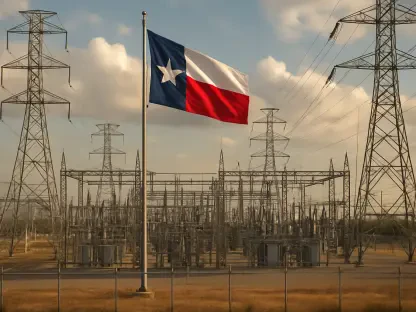
Market integration and regulatory tailwinds are further solidifying this model’s viability. The successful qualification of loads in advanced programs, such as ERCOT’s Controllable Load Resource (CLR), proves both market acceptance and technical feasibility. Moreover, new legislation like Texas SB6, which mandates flexibility for large-scale consumers, and innovative market designs like NYISO’s DER model are creating a clear strategic imperative. These frameworks prioritize grid interconnection for flexible loads, cementing their role as a critical grid resource.
The Suppliers Playbook Turning a Crisis into a Competitive Advantage
For power suppliers, this technological shift provides a clear playbook for turning a capacity crisis into a competitive advantage. The first step involves actively converting large industrial and commercial customers from passive liabilities into dynamically controlled assets. By partnering with these consumers, suppliers can unlock a vast, untapped reservoir of grid-balancing capability that is already connected to the system, offering a faster and more capital-efficient solution than building new generation.
With this control established, suppliers can then mitigate their financial exposure with unprecedented precision. Instead of being vulnerable to price spikes and volatility in real-time energy markets, they can use precision load control to manage their financial positions dynamically. This leads to the third strategic step: innovating new energy products and services. These offerings create a symbiotic relationship, delivering value to high-power customers in exchange for their flexibility while enhancing the stability and reliability of the entire grid.
The examination of flexible load management revealed it to be far more than a conceptual solution; it was established as a proven, scalable, and indispensable tool for navigating the modern grid’s capacity crisis. It was demonstrated that by transforming large energy consumers into dispatchable assets, power suppliers could effectively meet surging demand without the multi-year delays associated with new infrastructure development. This strategic shift not only addressed immediate reliability and financial risks but also fostered a more collaborative and resilient energy ecosystem, pointing toward a future where grid stability and industrial growth are mutually reinforcing.