
The hum of a modern refrigerator or the glow of a bedside lamp carries a heavier price tag in the Bay State than almost anywhere else in the continental United States. Massachusetts residents currently navigate an energy landscape where residential electricity rates frequently climb above 30 cents per kWh, creating a profound financial strain on middle-class families and small businesses alike. This economic pressure serves as the backdrop for Governor Maura Healey’s aggressive new mandate, which calls for a massive 15 GW expansion of energy resources by 2035. The policy shift represents more than just a climate initiative; it is a high-stakes gamble on whether a state can spend its way out of a cost crisis by fundamentally rebuilding its power grid from the ground up.
This ambitious roadmap arrives at a critical juncture where the state’s environmental aspirations and its fiscal reality are on a direct collision course. While the transition to renewables is often framed as a moral necessity, the immediate concern for most voters remains the monthly utility bill. The administration argues that the current volatility is a symptom of an outdated system over-reliant on imported fuels, but critics worry that the sheer scale of the required infrastructure investment could spike prices even further before they ever begin to stabilize.
The 30-Cent DilemmMassachusetts’ High-Stakes Energy Transition
The financial burden of New England’s energy market has become a defining political issue, as the region remains an outlier in national price trends. At 30 cents per kWh, the cost of living in Massachusetts is increasingly dictated by the thermometer, with winter heating spikes often forcing difficult choices between utility payments and other necessities. Governor Healey’s executive order seeks to disrupt this cycle by mandating a dramatic increase in local power generation. By 2035, the state aims to have 15 GW of new capacity online, a target designed to decouple the local economy from the global price swings of natural gas.
However, the path to 2035 is paved with significant upfront capital requirements that must be managed carefully to avoid a backlash from ratepayers. The administration’s strategy hinges on the belief that localized, renewable energy will eventually provide a “fixed-price” shield against the erratic nature of fossil fuel markets. This transition is not merely about adding green electrons to the wires; it is an attempt to rewrite the economic DNA of the Commonwealth’s utility sector, moving away from a model of fuel consumption toward one of infrastructure and technology.
From Dependence to Autonomy: Why the 2035 Mandate Matters
For decades, Massachusetts has functioned at the end of the energy pipeline, literally and figuratively, relying on gas and oil shipped from distant regions to keep the lights on. This geographic disadvantage leaves the state vulnerable to geopolitical conflicts and supply chain bottlenecks that have little to do with local demand. The move toward energy autonomy through the 15 GW mandate is a strategic pivot intended to bolster grid resilience. By generating more power within its own borders, the state can ensure that the regional supply remains stable during the harshest New England winters without relying on emergency shipments of liquefied natural gas.
Moreover, the aging infrastructure that currently defines the Northeast’s energy landscape is increasingly prone to failure and inefficiency. The 2035 mandate serves as a catalyst for a long-overdue modernization of the grid, replacing 20th-century logic with a more flexible, digitized system. While the primary driver is energy independence, the secondary benefit is a more robust defense against extreme weather events. A decentralized grid, powered by local resources, is less likely to suffer from the catastrophic “all-or-nothing” outages that can occur when a single major pipeline or transmission line fails.
Deconstructing the 15 GW Roadmap: Solar, Storage, and Demand Reduction
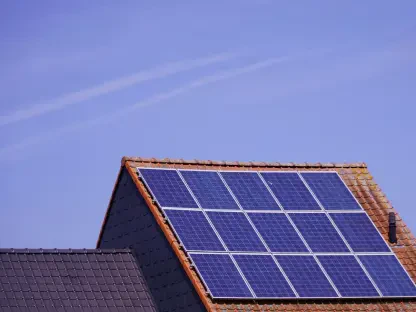
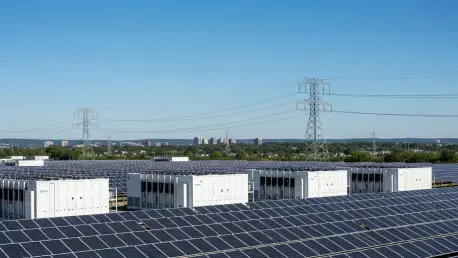
The technical blueprint for this transition is divided into two major pillars: 5 GW dedicated to advanced energy storage and 10 GW focused on a diverse mix of renewable generation and efficiency measures. Within that 10 GW goal, the state has prioritized 4 GW of new solar energy installations, aiming to turn rooftops and parking lots into productive power plants. This is complemented by a goal of 3.5 GW in electric demand reduction, which is perhaps the most innovative aspect of the plan. By leveraging virtual power plants (VPPs) and managed electric vehicle charging, the state intends to shave down the “peaks” of energy usage that usually drive up the highest costs for consumers.
This shift toward decentralized resources effectively turns homes and businesses into active participants in the energy market rather than passive consumers. Instead of simply building more massive power plants, the state is betting on millions of smaller interactions—smart thermostats adjusting during a heatwave or batteries discharging to the grid at 6:00 PM—to balance the system. This integration of technology aims to alleviate the immense pressure on the grid during high-demand hours, potentially reducing the need for the most expensive and polluting “peaker” plants that currently drive up regional rates.
The Policy Clash: Fixed-Price Renewables versus Natural Gas Reliability
The Healey administration, bolstered by advocacy groups like the Acadia Center, maintains that the only long-term solution to high costs is a permanent exit from the natural gas treadmill. They argue that wind, solar, and storage offer predictable, long-term pricing that fossil fuels simply cannot match. From this perspective, every megawatt of renewable energy added to the system acts as a hedge against future inflation. However, this vision faces stiff opposition from those who point to the state’s historical resistance to gas pipelines as the root cause of current price surges. Critics suggest that ignoring the immediate need for traditional fuel security could lead to reliability gaps during the years it takes to build the new green system.
This tension is most visible in the debate over facilities like the Everett Marine Terminal, which provides a critical safety net during peak winter demand. While the state pushes for a “clean-only” future, it must simultaneously manage the reality that natural gas still provides the bulk of the region’s heating and electricity. The balancing act requires the state to find a “middle path” that honors its decarbonization targets without sacrificing the short-term stability that residents require to stay warm. This policy clash highlights the difficulty of managing a transition where the old system must be maintained even as the new one is being constructed.
Navigating the Transition: Streamlining Interconnection and Infrastructure
To transform these ambitious targets into reality, the Office of Energy and Environmental Affairs is working to dismantle the bureaucratic hurdles that often stall projects for years. The current utility interconnection process is famously slow, with some solar and wind projects languishing in “study” phases while costs rise. By expediting these approvals and reviewing how existing oil and gas storage can serve as a bridge, the state hopes to synchronize the rapid deployment of technology with necessary regulatory reforms. The success of this transition depends on whether utilities like Eversource can modernize the grid at a pace that matches the governor’s timeline without passing excessive “gold-plating” costs onto the public.
Moving forward, the state must prioritize transparency in how these infrastructure investments are financed to maintain public trust. Leaders should focus on securing federal subsidies and exploring regional cost-sharing agreements with neighboring states to mitigate the impact on individual Massachusetts households. Investing in workforce development will also be essential, ensuring that the local labor market can support the specialized needs of a high-tech, decentralized grid. Ultimately, the transition moved beyond theoretical goals and toward the practical, messy work of physical construction, where the state’s ability to remain agile was tested by the evolving economic landscape.