
As an arctic blast named Winter Storm Fern descends across the United States, it forces a critical examination of the nation’s electrical infrastructure, bringing together a chorus of voices from federal regulators, consumer advocates, regional utilities, and financial markets to debate a single, urgent question: are the lessons from past catastrophes enough to keep the lights on? This roundup of perspectives reveals a complex and often contradictory picture of a grid under immense pressure, where emergency measures clash with long-term goals and regional preparations vary as widely as the weather itself.
A Nation Bracing for Impact: Why This Storm is a Critical Test for America’s Grid
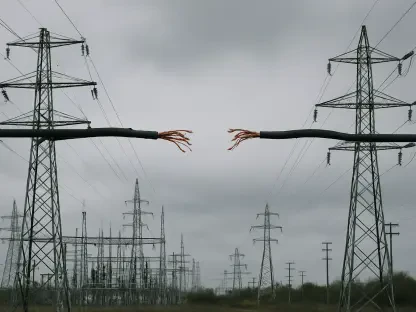
The imminent threat of Winter Storm Fern immediately conjures memories of previous grid failures, most notably the devastating blackouts during Winter Storm Uri. That event established the life-or-death stakes of grid reliability, making the current storm a benchmark for measuring progress. The resilience of the power grid is not merely an operational concern; it is a cornerstone of national security, economic stability, and public safety. An inability to withstand extreme weather events cascades into every facet of modern life, from heating homes to operating critical infrastructure.
This deep dive into the response to Fern gathers insights from every level of the energy sector. It examines a controversial federal directive aimed at mustering last-resort power, weighs the practical concerns raised by watchdogs, and contrasts the on-the-ground preparations of utilities from Texas to the Northeast. Furthermore, it incorporates the view from financial analysts, who see this storm not as an isolated event but as a symptom of deeper vulnerabilities tied to the nation’s evolving energy mix and soaring demand from new technologies.
The Anatomy of a National Response
The Federal Hammer: A Controversial Plan for 35 GW of Emergency Power
At the highest level, the federal government has adopted an assertive, top-down strategy. The Department of Energy initiated a preemptive request for grid operators to prepare 35 gigawatts of backup generation, signaling a willingness to invoke emergency provisions within the Federal Power Act. This authority allows the federal government to order otherwise idle power sources online to prevent catastrophic service interruptions.
This strategy, articulated by the Secretary of Energy, is designed as a “last resort” measure. The plan is to authorize the use of these emergency assets in the critical moments just before grid operators would be forced to implement rolling blackouts. The speed of this potential authorization—as swift as a phone call—underscores the gravity of the threat. This level of federal intervention has sparked a debate about whether it marks a new era of centralized oversight in what has traditionally been a regionally managed system, raising questions about precedent and long-term federal influence.
Diesel and Doubt: Scrutinizing the Efficacy of the Backup Fleet
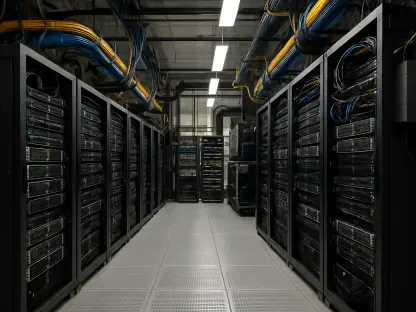
This federal plan, however, faces significant skepticism from watchdog organizations. The director of Public Citizen’s Energy Program identified the 35 GW reserve as being composed primarily of private, diesel-powered generators located at facilities like data centers. This insight introduces two critical counterarguments to the federal strategy. First, there are profound doubts about the practical ability to integrate these disparate, non-utility units into a coordinated grid response during a fast-moving emergency.
Moreover, a significant concern raised by advocates is the unaddressed public health risk. Activating a massive fleet of diesel generators—known for their high emissions of harmful pollutants—for prolonged periods could create localized air quality crises, trading one emergency for another. This perspective challenges the federal approach by questioning not only its efficacy but also its environmental and social costs, highlighting a major blind spot in the top-down emergency plan.
From Texas to the Northeast: A Patchwork of Regional Defenses
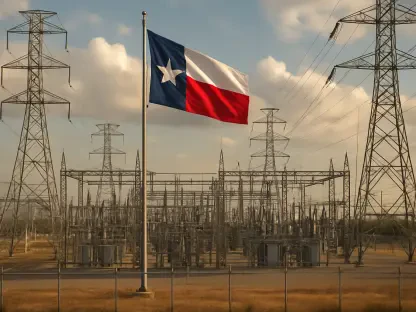
On the ground, the response is far from monolithic, reflecting a patchwork of regional priorities and experiences. In Texas, the Electric Reliability Council of Texas (ERCOT) issued a “weather watch,” signaling heightened awareness but projecting normal grid conditions. This measured approach is backed by unprecedented coordination with state agencies, a direct legacy of the failures of 2021. In contrast, New Jersey’s PSE&G has undertaken a full-scale mobilization, preparing its entire workforce for significant snowfall and sustained cold.
System operators are also voicing specific, localized concerns that reveal the complexities of regional power generation. The New York Independent System Operator (NYISO), while confident in its generation capacity, has expressed persistent worries about fuel supply adequacy for power plants during extended cold snaps. This highlights a critical vulnerability: having generators is meaningless if they cannot secure the fuel to run them. The collective memory of past failures is clearly driving more robust preparation, but the focus and intensity of those efforts vary significantly by region.
Beyond the Storm Front: Data Centers and a Shifting Energy Mix Expose Deeper Flaws
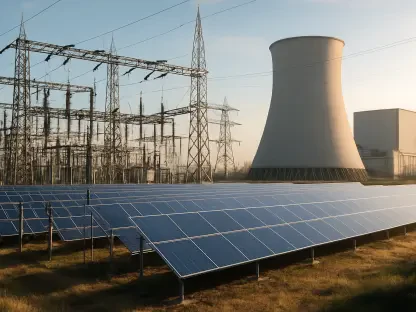
Financial analysts offer a broader, more systemic view, framing the storm as a stress test for a grid already strained by fundamental transitions. Equity analysts point to a perfect storm of vulnerabilities: the explosive, power-hungry growth of data centers, the retirement of reliable baseload power plants, and an increasing dependence on intermittent renewable sources. From this perspective, Winter Storm Fern is less the cause of the problem and more an event that exposes preexisting weaknesses.
This analysis identifies a significant “negative tail risk” for energy producers. A major outage, particularly in a data center hub like Texas or Virginia, could trigger a severe regulatory and public backlash against the tech industry’s immense electricity consumption. Such an event could create serious headwinds for future growth and intensify pressure on utilities. This challenges the common narrative by reframing the issue away from just weather preparedness and toward a more profound conversation about managing the demands of a grid in rapid, and sometimes unstable, transition.
Navigating the Blackout Risk: Key Strategies for a More Resilient Future
The collective response to Winter Storm Fern crystallizes the central conflict in America’s energy strategy. On one hand, the short-term benefit of activating emergency fossil-fuel generation is clear: it can prevent immediate blackouts. On the other hand, this tactic comes with significant logistical hurdles and long-term environmental consequences that cannot be ignored. The debate between crisis management and sustainable planning is now at the forefront.
To build a more resilient future, stakeholders must pursue several key strategies. First, a formal framework for integrating private backup assets into grid operations is essential to make them a truly reliable resource. Concurrently, substantial investment in the winterization of power plants and the security of their fuel supplies is non-negotiable. For consumers and businesses, the storm served as another reminder of the importance of individual readiness, reinforcing the need for emergency kits and backup power plans to complement systemic improvements.
An Unfinished Battle: The Enduring Fragility of America’s Power Infrastructure
In retrospect, the preparations for Winter Storm Fern revealed a national energy landscape that is more proactive but fundamentally fragile. The mobilization of federal, state, and private resources demonstrated a heightened state of readiness compared to past events. However, the very necessity of these extraordinary measures exposed the deep-seated weaknesses that persist within the system.
The core conflict remains unresolved: how to meet soaring electricity demand, driven by everything from data centers to electrification, while ensuring unwavering reliability and simultaneously achieving decarbonization goals. The crisis-response model on display, while potentially effective in the short term, is not a sustainable solution. The storm ultimately left behind a thought-provoking question about whether incremental fixes are sufficient or if a fundamental redesign of America’s power grid is the only viable path forward.