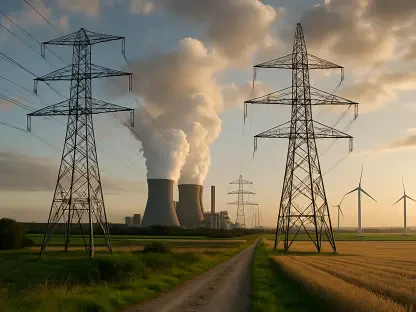

Illinois stands at a critical energy crossroads as its largest electric utility, Commonwealth Edison, has formally proposed a monumental $15.3 billion investment to overhaul its grid, sparking a contentious debate over progress and affordability. The comprehensive four-year plan, designed to run from 2028 through 2031, is now before the Illinois Commerce Commission (ICC) for an extensive 11-month review. ComEd argues that this massive capital infusion is essential to modernize an aging infrastructure that is straining under the dual pressures of unprecedented electricity demand and the increasing frequency of severe weather events. This proposal represents a pivotal moment, forcing state regulators, consumer advocates, and the public to weigh the long-term benefits of a resilient, decarbonized power system against the immediate financial burden it will place on millions of households and businesses across the state. The outcome of this regulatory process will undoubtedly shape the energy landscape of Illinois for decades to come.
A Strategic Response to Unprecedented Demand
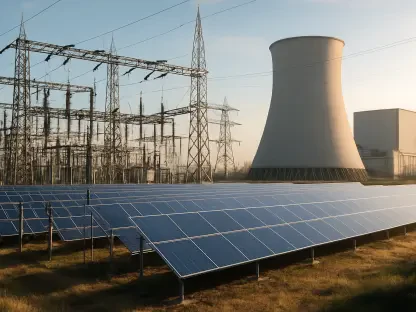
The strategic foundation for this massive investment is firmly rooted in the state’s landmark Climate and Equitable Jobs Act (CEJA), signed into law in 2021. This legislation compels major utilities like ComEd to develop and submit multi-year plans that explicitly detail how they will adapt their grids to support Illinois’ ambitious decarbonization objectives. These goals include the seamless integration of a rapidly growing share of renewable energy sources, such as wind and solar, while simultaneously ensuring the unwavering reliability of the power supply. A core tenet of CEJA is also to guarantee the affordability of electricity, with specific provisions aimed at protecting and benefiting low-income and historically disadvantaged communities. According to Melissa Washington, ComEd’s senior vice president of customer operations, the pace of change is staggering. “I’ve been in this industry about 22, 23 years, and I’ve never seen the amount of change that we are experiencing right now,” she stated, emphasizing that the most significant transformations have occurred in just the last few years and continue to accelerate.
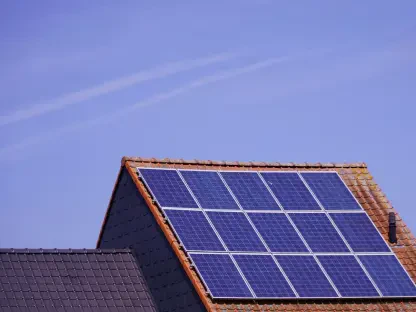
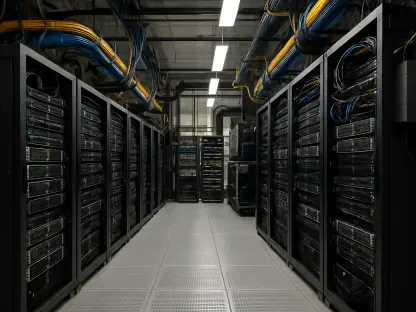
The urgency behind the proposal is driven by a confluence of powerful trends that are dramatically escalating electricity consumption. A primary factor is the proliferation of power-intensive data centers, which are essential to the modern digital economy but place immense strain on local electrical infrastructure. Further compounding this is the state’s aggressive push toward transportation electrification, with a goal of having one million registered electric vehicles on Illinois roads by 2030, each requiring reliable charging infrastructure. Simultaneously, a growing number of homeowners are moving away from natural gas, opting for electric heat pumps and other appliances, a trend known as home electrification. The plan’s filing reveals the concentrated nature of this new load, noting that energy demands from data centers alone constitute over 47% of all new service requests at 55 of the utility’s key substations, illustrating the localized stress points that require immediate and substantial upgrades.
The Financial Impact on Illinois Ratepayers
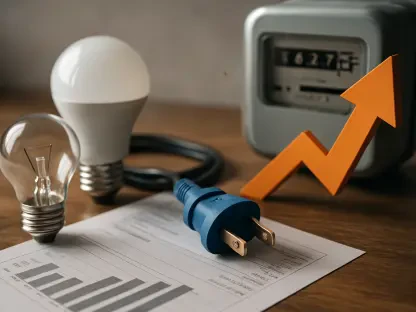
While the technical justifications for the grid plan are extensive, the proposed cost and its direct impact on consumers represent the most significant point of contention. Should the ICC approve the $15.3 billion proposal in its entirety, ComEd estimates that the average residential customer will experience a monthly bill increase of approximately $2.50 to $3.00, beginning in 2028. It is crucial to note that this increase would be in addition to other recent rate adjustments. This charge is explicitly separate from a $243 million delivery rate increase approved in December 2023, which already added about $3 per month to customer bills. Furthermore, ComEd officials have confirmed that the company is not precluded from seeking other rate adjustments during this period and anticipates filing a new standard rate request in January 2027. If approved, that increase would also take effect in 2028, potentially compounding the financial pressure on Illinois households.
This prospect of layered rate hikes has galvanized consumer advocacy groups, who argue the proposal is excessive and are preparing to challenge it vigorously. The Citizens Utility Board (CUB), an independent watchdog organization, was quick to condemn the filing, with Executive Director Sarah Moskowitz labeling it a “bloated, expensive grid plan.” While acknowledging the necessity of grid investment, Moskowitz contended that ComEd has a fundamental duty to manage its system in a manner that “benefits customers and doesn’t bankrupt them.” CUB, alongside other key stakeholders such as the Illinois Attorney General’s office, will submit detailed testimony to the ICC after scrutinizing the plan’s more than 800 pages. Their primary goal is to identify and oppose what they characterize as “wasteful, inefficient and unnecessary spending,” arguing that many of the proposed investments are not immediately required and could be phased in over a longer timeline to mitigate the cost to consumers.
Navigating Regulatory Hurdles and Equity Mandates
This is not the first time ComEd has sought approval for a long-term grid plan under the CEJA framework, and the utility’s previous experience provides important context for the current proceedings. In 2023, ComEd submitted its initial multi-year plan, which was ultimately rejected by the ICC for failing to adequately meet the rigorous standards established by the new law. Following that rejection, the utility submitted a revised, leaner proposal. The commission eventually approved this second version but only after mandating a further 25% reduction in the requested spending, signaling a clear intent to hold utilities to a high standard of fiscal prudence. ComEd President and CEO Gil Quiniones has publicly stated that the company has “applied all of the learnings from those experiences to this one” and expressed confidence that the new, more detailed plan aligns with both the statutory requirements of CEJA and the specific expectations outlined by the ICC in its previous orders.
In an effort to demonstrate compliance with the law’s stringent affordability and equity mandates, ComEd’s filing includes detailed projections on its financial impact relative to household income. The utility projects that under its plan, the average cost of electricity would rise from 1.23% of household income in 2026 to 1.48% by the third year, figures that remain comfortably below the 3% threshold defined as affordable by CEJA. The plan also directly addresses the equity requirement that 40% of investments must benefit disadvantaged communities. ComEd estimates that 1.7 million of its customers, or 42%, fall within this classification and would receive tangible benefits from the proposed upgrades. In a parallel effort, the utility is pursuing separate proceedings to require large energy users, specifically data centers, to make direct financial commitments for the grid upgrades their operations necessitate, a move designed to prevent these specific costs from being socialized across the entire ratepayer base.
A Contested Path Forward
The submission of ComEd’s extensive grid plan initiated a crucial and contentious chapter in Illinois’ energy transition. The utility had framed the investment as an indispensable step toward building a modern, reliable, and clean electrical system capable of meeting the demands of the 21st century. On the other side, consumer advocates mounted a formidable challenge, arguing that the plan’s scale and cost were unjustifiably high and threatened to place an undue financial strain on residents. The subsequent regulatory battle before the Illinois Commerce Commission was intense, with expert testimony and public comment highlighting the deep divide between the vision for a futuristic grid and the present-day economic realities faced by customers. Ultimately, the debate underscored the fundamental tension inherent in the energy transition: balancing the long-term imperative of decarbonization and infrastructure resilience with the immediate need for consumer affordability.