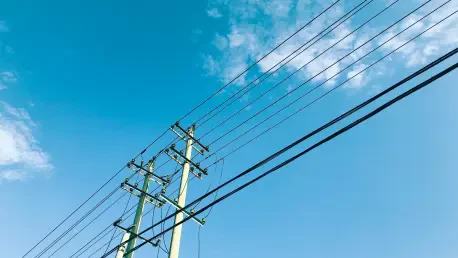

The escalating frequency and intensity of extreme weather events have exposed the inherent vulnerabilities of traditional grid infrastructure, compelling utilities to seek more durable and resilient long-term solutions. The composite utility pole represents a significant advancement in the electrical utility sector, engineered to withstand the modern challenges that cause conventional materials to fail. This review will explore the evolution of the technology, its key features, performance metrics, and the impact it has had on various applications. The purpose of this review is to provide a thorough understanding of the technology, its current capabilities, and its potential future development, focusing on the strategic and economic rationale for selective deployment.
An Introduction to Composite Pole Technology
At its core, the composite utility pole is an engineered product made from fiber-reinforced polymer (FRP). This material combines high-strength glass or carbon fibers with a resilient polymer resin, resulting in a structure that is exceptionally strong, lightweight, and durable. The manufacturing process allows for precise engineering, enabling poles to be designed with specific strength, flexibility, and resistance characteristics tailored to their intended application. This level of customization stands in stark contrast to the natural variability of wood or the uniform but heavy nature of steel and concrete.
The emergence of FRP poles marks a pivotal shift in grid infrastructure philosophy. For decades, wood, steel, and concrete were the default choices, each with a well-understood set of benefits and drawbacks. However, as the demands on the electrical grid have grown more complex—driven by climate change, increased energy needs, and the high cost of outages—the limitations of these traditional materials have become more apparent. Composite poles have risen as a modern alternative, designed not just to hold wires, but to actively contribute to the creation of a more resilient and efficient electrical grid.
Core Financial and Performance Advantages
The Total Cost of Ownership Advantage
A comprehensive financial analysis of composite poles reveals a compelling argument centered on the total cost of ownership (TCO) rather than the initial purchase price. Although the upfront procurement cost is higher than for traditional wood poles, this initial investment is offset by an exceptional service life that can exceed eighty years. This longevity effectively disrupts the conventional cycle of inspection, treatment, and replacement that defines the lifecycle of wood poles, which are susceptible to decay, pests, and environmental degradation.
This extended durability translates directly into a drastic reduction in ongoing operational expenses. Composite poles do not require the frequent inspections, chemical retreatments, or reinforcement programs common with wood structures. The savings in labor, equipment mobilization, and materials over the decades-long lifespan of a single composite pole fundamentally alter the economic equation. Consequently, what appears to be a more expensive option at the outset proves to be a more economically sound investment when viewed through the lens of long-term asset management.
Superior Resilience in Extreme Conditions
Composite poles have established a remarkable track record for performance during severe weather events that cripple conventional infrastructure. Their engineered design allows them to flex under extreme loads from high winds or heavy ice accumulation, absorbing stress that would cause more rigid materials to snap. This inherent flexibility is a critical feature that helps prevent cascading failures, where the collapse of a single pole pulls down adjacent structures in a domino effect.
Beyond their mechanical strength, the material properties of FRP provide inherent resistance to a wide array of environmental threats. Unlike wood, composites are impervious to rot, insects, and woodpeckers. In contrast to steel, they do not corrode, making them ideal for coastal areas with corrosive salt spray or regions with high humidity. This built-in resilience ensures that they maintain their structural integrity for decades without the need for protective treatments or coatings, providing a reliable and lasting solution in the most challenging conditions.
Strategic Deployment in Real-World Applications
Fortifying Critical Infrastructure and High-Value Circuits
The most impactful application of composite poles is in the strategic hardening of the grid’s most vital segments. This includes circuits that power essential community services like hospitals, fire stations, and water treatment plants, where the consequences of an outage extend far beyond inconvenience. By deploying composite poles in these high-priority corridors, utilities can significantly enhance service reliability for critical infrastructure, ensuring community resilience during widespread emergencies.
This strategy also extends to protecting high-value grid assets. Poles supporting heavy and expensive equipment such as transformers, reclosers, and regulators represent single points of failure that can lead to costly and time-consuming repairs. The failure of a single wood pole can result in the destruction of equipment worth tens of thousands of dollars. The superior strength of composite poles provides a robust platform for these assets, safeguarding the investment and preventing cascading equipment damage. A notable case study from the 2021 Kentucky tornadoes showed how three strategically placed composite poles halted a miles-long cascading failure of wood poles, protecting a substation and dramatically speeding up restoration efforts.
Overcoming Challenging and Remote Installations
The logistical benefits of composite poles become particularly clear in challenging or remote installation environments. Their lightweight design significantly simplifies transportation and installation in areas that are inaccessible to heavy machinery, such as mountainous terrain, wetlands, or dense back-lot easements. This reduces the need for extensive road building or staging areas, minimizing the environmental impact and lowering associated construction costs.
Moreover, the reduced reliance on heavy equipment translates to smaller work crews and a lower risk of injury during installation. In high-cost environments where every truck roll represents a significant expense, installing a durable, low-maintenance composite pole is a strategic decision. It transforms a recurring operational cost—the cycle of replacing a less durable pole in a hard-to-reach location—into a single, long-term capital investment, freeing up resources for other critical grid priorities. An upgrade to a 1928 mountain transmission line in Colorado with composite poles exemplifies this, ensuring reliability while reducing the future maintenance burden in an extremely rugged landscape.
Enhancing Durability in Harsh Environmental Conditions
In regions where environmental conditions accelerate the degradation of conventional materials, composite poles offer a permanent grid-hardening solution. For coastal utilities battling corrosive salt spray or those in humid climates where wood rot is rampant, composites provide an impervious alternative. Their inert material composition ensures they will not decay or corrode, maintaining their structural integrity for decades in environments that would destroy other poles in a fraction of the time.
This same principle applies to areas with significant wildfire risk. While wood poles are a source of fuel and steel poles can weaken under intense heat, composite poles are designed with fire-resistant resins and are often self-extinguishing. This feature can be critical in preventing a wildfire from spreading along a utility corridor and can keep power lines energized for first responders. The deployment of composite poles in the Bahamas proved their worth by surviving Category 5 hurricanes, including winds exceeding 220 mph during Hurricane Dorian, while thousands of other poles were destroyed. This demonstrates a clear case for investing in resilience once, rather than paying for repeated repairs.
Evolving Industry Trends and Best Practices
A significant trend emerging in the utility sector is a clear shift away from decision-making based purely on upfront material costs toward a more sophisticated, lifecycle-based asset management approach. Utilities are increasingly recognizing that the cheapest component is rarely the most cost-effective solution over the long term. This holistic view considers all associated costs, including installation, maintenance, inspections, and the immense financial impact of outages and replacements, leading to a greater appreciation for durable, low-maintenance technologies like composite poles.
This evolving financial perspective is driving another key trend: the targeted deployment of composite poles for maximum return on investment. Rather than contemplating a system-wide replacement, leading utilities are using advanced analytics to identify the most critical or vulnerable points in their grid. By strategically placing composite poles in these high-impact locations—such as at critical crossings, on high-value circuits, or in harsh environments—they can achieve the greatest possible improvement in system resilience for their investment. This “surgical” approach is becoming a best practice integrated into broader grid modernization and resilience strategies.
Challenges and Considerations for Widespread Adoption
Despite their proven benefits, several challenges hinder the widespread adoption of composite poles. The most significant barrier remains their higher initial procurement cost compared to traditional wood poles. For utilities operating under tight capital budgets and regulatory structures that may favor lower upfront expenses, justifying the larger initial investment can be difficult, even with a clear long-term TCO advantage.
Beyond the financial considerations, the adoption of a new material requires adjustments in operational practices. Lineworkers and construction crews who have spent their careers working with wood need new training on the proper handling, climbing, and installation techniques for composite poles. Furthermore, the utility sector is characterized by a degree of inertia, with established supply chains, engineering standards, and work procedures built around traditional materials. Overcoming this deep-seated familiarity and integrating a new technology into decades-old systems requires a concerted effort in education, training, and strategic planning.
Future Outlook and Long-Term Grid Impact
Looking ahead, the role of composite poles is poised to expand significantly, driven largely by the increasing imperative to adapt to climate change and more frequent severe weather events. As storms, wildfires, and other climate-related threats intensify, the value proposition of inherently resilient infrastructure will only grow stronger. Composite poles are no longer a niche product but a critical tool for building a grid capable of withstanding the challenges of the coming decades.
Simultaneously, ongoing innovations in materials science and manufacturing processes hold the potential to make composite technology more accessible. Advances in fiber and resin formulations, coupled with automation and scaling in production, are expected to gradually reduce manufacturing costs. This could lower the initial price point, making the financial case for composites even more compelling. The long-term vision is a hybrid grid where materials are chosen strategically, resulting in a system that is not only more durable and reliable but also more economically sustainable over its entire lifecycle.
Conclusion: A Strategic Asset for the Modern Utility
The review of composite pole technology affirmed its position as a transformative solution for the modern electrical grid. The analysis highlighted a clear total cost of ownership advantage, driven by an exceptional service life and minimal maintenance requirements that far outweigh its higher initial cost. Furthermore, its proven resilience in extreme weather and harsh environmental conditions establishes it as a superior material for grid hardening.
The strategic deployment of these poles in critical locations, challenging terrains, and vulnerable corridors emerged as the most effective methodology for maximizing their value. This targeted approach allows utilities to make smart, high-impact investments that protect essential services and valuable assets. Ultimately, the choice to use a composite pole is not merely a material substitution; it is a critical strategic investment in the long-term reliability, resilience, and economic sustainability of the entire electrical system.