
The Rise of the Off-Grid Data Center and Its Impact on American Utilities
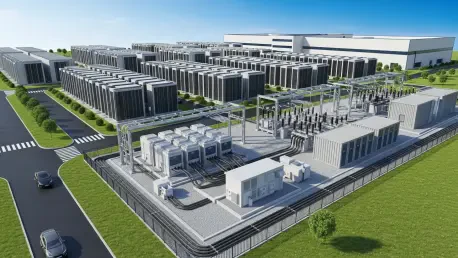
The unprecedented surge in artificial intelligence compute power has fundamentally decoupled the growth of electricity demand from historical patterns of urban and industrial development. Historically, electricity demand growth was dominated by residential development and industrial manufacturing; today, however, data centers have emerged as the primary driver of new load growth. Facing a bottleneck of bureaucratic delays and aging infrastructure, many data center developers are no longer waiting for traditional grid connections. This article explores the emerging phenomenon of “grid defection,” where massive computing facilities opt for on-site power generation to bypass the limitations of the traditional utility model. By examining the shift from centralized dependence to “behind-the-meter” independence, the analysis aims to uncover the economic, regulatory, and reliability challenges that this movement poses for the broader US power sector.
From Centralized Stability to the Necessity of Self-Supply
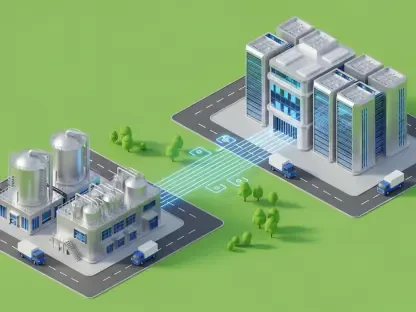
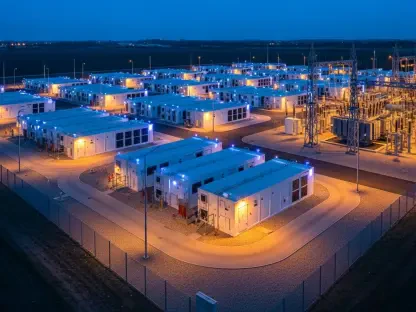
To understand the current shift, one must look at the historical relationship between large-scale power users and the electric grid. For decades, the American electric system functioned on a predictable model of centralized utility planning, where large industrial customers provided the steady demand needed to justify massive investments in transmission and generation. However, the speed of the AI revolution has clashed with the slow, deliberate pace of utility infrastructure development. Industry shifts show that the time required to secure a high-capacity grid connection has skyrocketed, often exceeding the development timeline of the data center itself. These foundational delays have forced a pragmatic pivot: rather than waiting for a grid that cannot keep pace, tech companies are increasingly building their own power plants, fundamentally altering a century-old utility landscape.
The Economic and Regulatory Consequences of Energy Independence
The Erosion of the Shared-Cost Model and Ratepayer Equity
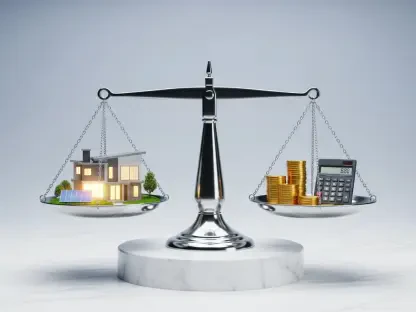
The American electric grid has traditionally functioned on a collective financial framework. Utilities invest billions in long-term infrastructure—such as high-voltage transmission lines and distribution networks—and recover these fixed costs from a broad base of customers. Large industrial users, including data centers, have historically been vital to this system because their high consumption helps lower the per-unit cost for everyone else. When data centers opt for “behind-the-meter” generation or direct private gas connections, they effectively withdraw from this shared financial pool. However, the costs of maintaining the grid do not vanish. If data centers stop contributing to these fixed costs, a larger financial burden is shifted onto remaining customers, including residential households and small businesses, potentially leading to significant and regressive rate hikes.
Disruption of Long-Term Forecasting and Infrastructure Planning
Utility companies operate on decades-long timelines, planning projects that take years to permit and build. This process relies on predictable demand forecasting, which is now being disrupted by the trend toward self-supply. If utilities build new capacity based on projected data center growth, only for those centers to go off-grid, the utility is left with “stranded assets”—expensive infrastructure that is no longer needed but must still be paid for by the public. Conversely, a data center that later decides it needs grid power after initially defecting could cause a sudden surge that threatens regional reliability. This uncertainty creates a volatile environment for planners who must balance future-proofing the grid against the risk of over-investment.
Regulatory Blind Spots and Environmental Policy Complications
A significant portion of on-site generation for data centers operates in a regulatory “gray area,” often utilizing gas-fired generators initially permitted as emergency or temporary assets. Because these generators fall outside the traditional oversight of utility commissions, their emissions profiles are not always integrated into state-level decarbonization goals. In many instances, these on-site natural gas plants may produce higher carbon emissions per megawatt-hour than the increasingly renewable-heavy public grid. This lack of transparency complicates national efforts to combat climate change and creates a loophole where large-scale energy users can bypass environmental standards that apply to traditional utilities.
Emerging Trends and the Future of Distributed Energy
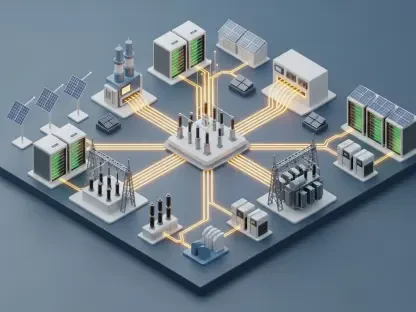
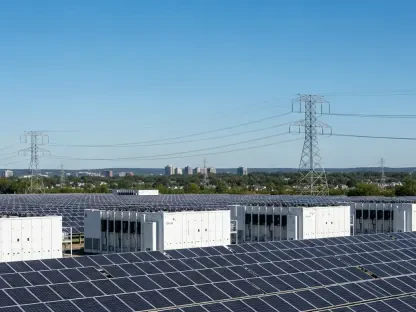
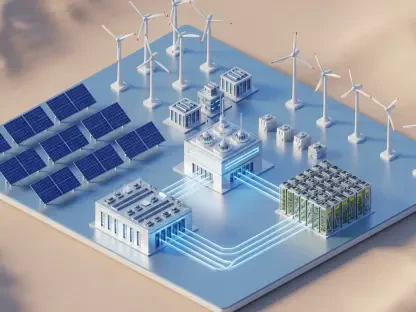
The “quiet redesign” of the power system is expected to accelerate through the end of the decade as tech companies seek greater control over their energy destiny. From 2026 to 2029, a shift toward “hybrid energy systems” will likely emerge where data centers blend natural gas generation with large-scale battery storage and on-site renewables. Furthermore, technological innovations in small modular reactors and advanced hydrogen cells are being explored as long-term solutions for off-grid reliability. Regulatory shifts are also on the horizon, with many predictions favoring a move toward performance-based connection processes that incentivize data centers to remain integrated with the grid while providing “demand response” services to help stabilize the system during peak hours.
Navigating the Shift: Strategies for a Resilient Power Grid
The findings of this analysis suggest that the US power sector must move toward a more flexible and collaborative model to prevent the negative effects of grid defection. To ensure the AI revolution does not destabilize the public grid, several strategic pivots were necessary. First, the industry pursued interconnection reform to speed up the delivery of power to large-scale users. Second, regulators modernized cost-recovery tools to ensure that off-grid users still contributed their fair share to the shared infrastructure they may rely on for backup. Finally, businesses and utilities embraced “microgrid” configurations that allowed data centers to operate independently when necessary while still supporting the overall health and reliability of the regional power system.
Maintaining Balance in an Era of Rapid Expansion
The move toward off-grid data centers was more than a temporary workaround for a congested system; it represented a fundamental shift in how large energy loads were managed in the United States. This trend highlighted the friction between the fast-paced tech industry and the slow-moving world of regulated utilities. Coordination efforts prevented grid defection from undermining environmental targets or placing an unfair financial burden on everyday citizens. Through proactive coordination and regulatory modernization, it became possible to integrate these massive energy users into a more robust and equitable system. The long-term significance of this challenge was clear: the goal was to power the future of technology without leaving the traditional grid—and its users—behind.