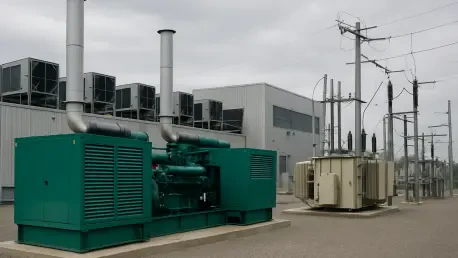

The insatiable global appetite for digital services is creating a traffic jam not on the information superhighway, but on the aging electrical grids that power it, forcing the world’s most advanced technology companies to find a radical workaround. Faced with multi-year delays to connect their power-hungry facilities, a growing number of data center developers are taking energy production into their own hands, building on-site power plants to get online faster and redefine their relationship with traditional utilities.
This shift marks a critical turning point for both the tech and energy sectors. Data centers, the backbone of the digital economy, are no longer passive consumers of electricity. Instead, they are evolving into sophisticated energy hubs capable of generating their own power, managing their consumption, and even supporting the very grids they once threatened to overwhelm. The move toward energy independence is a pragmatic response to a logistical bottleneck, but it carries profound implications for the future of grid infrastructure, sustainability goals, and the speed of technological progress itself.
When the Digital Boom Outruns the Electrical Grid
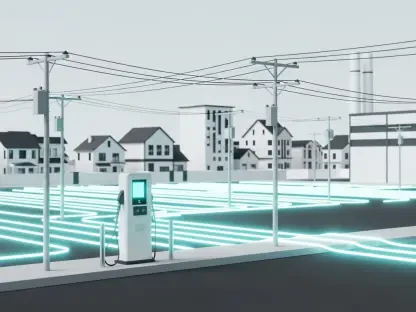
The relentless expansion of cloud computing, artificial intelligence, and big data has created a voracious demand for electricity that existing power infrastructure is struggling to meet. Data centers, which house the servers and networking equipment that run these services, require immense and uninterrupted power supplies. As these facilities grow in scale and number, their energy needs are pushing local and regional grids to their breaking points, creating a significant challenge for developers and utilities alike.
This surge in demand is not just a gradual increase; it is an exponential leap. Consequently, utilities are often unprepared for the sudden arrival of a multi-megawatt data center project in their service area. The process of upgrading substations, transmission lines, and generation capacity to accommodate such a large load is a slow and complex undertaking, fraught with regulatory hurdles and engineering challenges. This mismatch between the rapid pace of digital growth and the deliberate speed of grid development is the central conflict driving the industry’s search for alternative power solutions.
The Interconnection Impasse Why Data Centers Are Going Off-Road
The most significant roadblock for data center development is the interconnection queue—the long line of proposed energy projects waiting for utility approval to connect to the grid. In some high-demand regions, this waiting period can stretch for up to seven years, an eternity in the fast-moving tech industry. Such delays can render a project economically unviable before it ever breaks ground, forcing companies to seek ways to circumvent this lengthy and uncertain process.
Impatience with these gridlock conditions has become a powerful catalyst for change. An analysis by Cleanview reveals that this frustration has prompted approximately 30% of all planned U.S. data center capacity to include behind-the-meter power generation. This is a recent and rapidly accelerating trend, with the vast majority of these on-site power projects being announced since last year. By building their own energy resources, data center operators can begin powering their facilities almost immediately, sidestepping the interconnection queue and gaining a critical competitive advantage.
Forging Energy Independence The On-Site Power Playbook
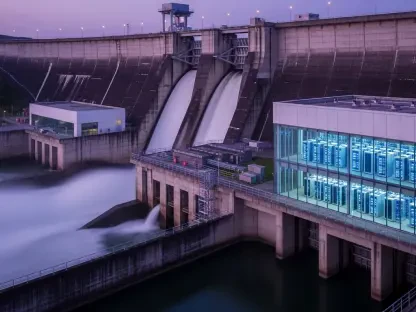
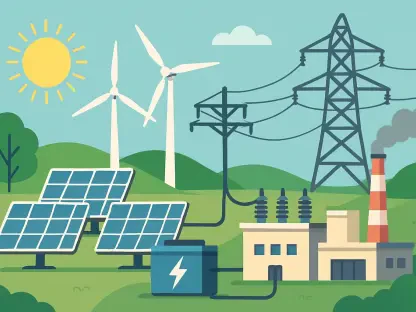
To achieve this energy autonomy, data centers are deploying a range of on-site generation and storage technologies, creating sophisticated microgrids on their campuses. In the short term, natural gas has emerged as a popular transitional fuel. About 75% of these on-site assets rely on natural gas, as smaller, mobile gas generators and turbines can be procured and installed within months, providing a quick and reliable source of primary or backup power. This allows developers to activate their facilities while waiting for a full grid connection or to reduce their reliance on it altogether.
However, the long-term vision extends beyond fossil fuels. There is a strong and growing industry preference for battery energy storage systems. Batteries offer far more than just backup power; they enhance redundancy, improve power quality to protect sensitive electronics, and can store electricity during off-peak hours for use during times of high demand. Crucially, batteries can be paired with zero-emissions generation sources like solar or wind, helping technology companies meet their ambitious sustainability commitments and avoid the public and political backlash associated with large new fossil fuel loads.
A New Utility Paradigm From Power Drain to Grid Partner
The move toward on-site power is reshaping the traditional relationship between data centers and utilities. Rather than being viewed simply as massive, unpredictable drains on the system, data centers with microgrid capabilities are increasingly seen as potential grid partners. Patrick Hughes, a senior official at the National Electrical Manufacturers Association (NEMA), notes that utilities are beginning to favor data centers that can “island”—disconnect from the grid and run on their own power during city-wide peaks in electricity demand.
This capability transforms the data center into a valuable grid asset. By islanding, the facility provides a sophisticated form of demand response, reducing strain on the grid during critical periods and helping to prevent blackouts. In exchange for this flexibility, utilities may be more willing to expedite the interconnection process, recognizing that the data center can manage its own load and even contribute to overall grid stability. This symbiotic relationship marks a fundamental shift from a purely consumer-based model to one of collaboration and mutual benefit.
Standardizing the Solution NEMA’s Blueprint for a Faster Safer Future
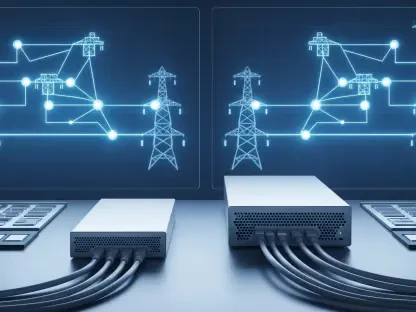
Recognizing that the current ad-hoc approach—where each developer uses proprietary designs—is inefficient, NEMA is championing the need for standardization. The organization recently released a set of voluntary standards for energy storage systems and microgrids on data center campuses. The primary goal is to create a more predictable and streamlined design and procurement process, which reduces uncertainty for developers and lowers upfront costs. Standardized designs are expected to result in safer, more reliable, and more efficient data centers.
This initiative aims to establish a common technical language that both data center developers and utilities can understand and trust. To advance this effort, NEMA is collaborating with ASHRAE and the Pacific Northwest National Laboratory on a comprehensive guidebook for data center design. This guide, slated for release in early summer, is intended to serve as a “one-stop shop” for developers. For utilities, a common framework will simplify their review cycles, lessening the burden on their planning departments and helping to compress the timelines that first drove data centers to seek energy independence.
This strategic pivot toward on-site generation and standardization was more than a temporary fix; it represented a permanent evolution in how critical digital infrastructure is designed and powered. By embracing energy independence, the data center industry has not only found a solution to grid delays but has also positioned itself as an active participant in building a more resilient and flexible energy future. The standards being established today are laying the groundwork for a new generation of data centers that are not just consumers of power, but integral components of the modern electrical grid.