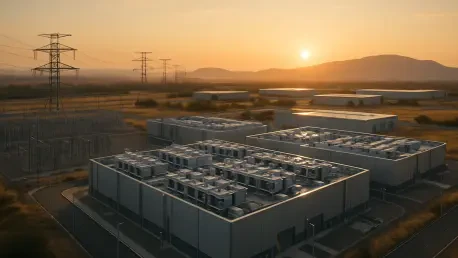

A New Blueprint for Power-Hungry Tech
The Federal Energy Regulatory Commission (FERC) has decisively stepped into the escalating debate over the energy needs of the digital age, issuing a landmark directive aimed at the PJM Interconnection, one of the nation’s largest grid operators. This order compels PJM to establish a clear and structured framework for colocating massive electrical loads, like data centers, directly at power generation facilities. The move is a pivotal development in the collision between the exponential growth of artificial intelligence and the finite capacity of the U.S. power grid. This article will explore the critical background, specific mechanics, and future implications of FERC’s order, analyzing how it seeks to balance technological innovation with the foundational principles of grid reliability and consumer affordability.
The Ticking Clock of Energy Demand and Grid Strain
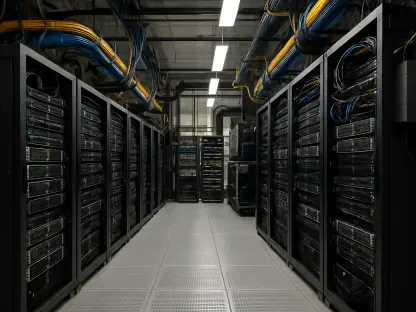
For years, the energy sector has watched with growing concern as the demand for electricity from data centers has surged, driven by cloud computing and now supercharged by the resource-intensive needs of AI. Historically, connecting such a large load required a lengthy and complex process of securing a spot in the grid interconnection queue and often necessitated costly, time-consuming upgrades to the broader transmission system. This traditional model has created significant bottlenecks, delaying projects and straining the grid’s ability to serve all customers reliably. FERC’s intervention signals a recognition that this conventional approach is no longer sufficient, prompting a strategic shift toward a more integrated model where massive power consumers are sited directly at the source of generation.
Deconstructing FERC’s Landmark Directive
Forging a Path for Behind-the-Meter Connections
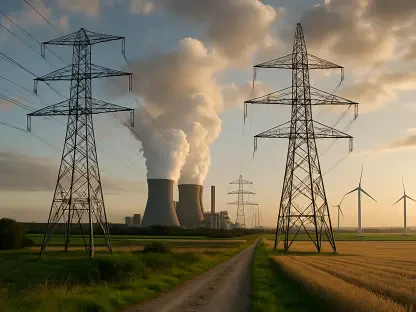
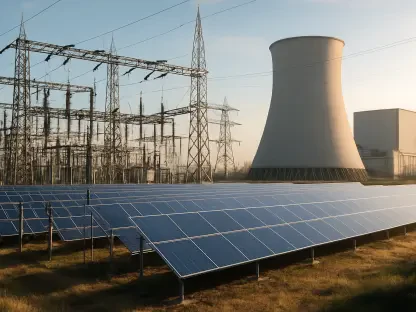
At its core, FERC’s order is a strategic victory for owners of dispatchable power sources, particularly gas-fired and nuclear plants within PJM’s territory. Companies like Constellation Energy, Public Service Enterprise Group, and Vistra now have a clearer regulatory path to directly serve large, consistent customers. This behind-the-meter arrangement offers a dual benefit: data centers gain access to a reliable, dedicated power supply, while the public transmission grid is shielded from the immediate, concentrated strain of their immense load. According to industry analysts, this reflects FERC’s intent to facilitate technological advancement without automatically passing the associated infrastructure costs on to residential and commercial ratepayers.
Tailoring Transmission Services for a New Era
To operationalize this new model, the directive mandates that PJM create three distinct transmission services within 60 days: interim non-firm, firm contract demand, and non-firm contract demand. These services are specifically designed for colocated customers who can curtail their electricity consumption from the wider grid when system conditions require it. This introduces a level of flexibility and control that is crucial for maintaining grid stability. As part of the implementation process, FERC will also deliberate on whether these specialized customers should pay a minimum charge to contribute to the overall maintenance of the transmission system, ensuring a more equitable distribution of grid upkeep costs.
Accelerating Generation to Meet Unprecedented Demand
Beyond addressing the connection of new loads, FERC’s order also tackles the supply side of the equation. Recognizing that colocation alone cannot solve the broader challenge of resource adequacy, the commission has instructed PJM to submit a progress report on its Critical Issue Fast Path stakeholder process. This initiative is designed to create an expedited interconnection pathway for “shovel-ready” generation projects, helping to bring new power sources online more quickly. This holistic approach underscores the urgency of not only managing new demand but also actively encouraging the development of the generation capacity needed to meet it.
Navigating the Uncharted Waters of Grid Modernization
While lauded by industry groups like the Electric Power Supply Association as a vital “first step,” the FERC order is not a silver bullet. Commissioners themselves have acknowledged its limitations and the complex challenges that lie ahead. Commissioner Judy Chang highlighted persistent concerns over PJM’s ability to procure enough resources to serve all its customers reliably and noted that the colocation model may be unworkable in states where utilities have a legal obligation to serve all retail loads. These unresolved issues—spanning state-federal jurisdiction, long-term resource planning, and comprehensive cost allocation—signal that this order is the beginning, not the end, of a significant regulatory evolution.
Strategic Imperatives for Stakeholders
This directive creates both opportunities and obligations across the energy and technology sectors. For power plant owners, it opens a lucrative new market for their generation, but they must actively participate in PJM’s rule-making process to shape favorable terms. For data center developers, it offers a potential solution to the chronic problem of interconnection delays, but it will come with new responsibilities, including funding necessary system upgrades and operating under more dynamic service agreements. For grid operators and regulators, the immediate task is to implement FERC’s order effectively while beginning the difficult work of addressing the deeper structural challenges of integrating a new class of gigawatt-scale consumers.
The Future of Energy and Data Converge
FERC’s order represented a critical inflection point where national energy policy directly adapted to the realities of the digital economy. It formalized a new paradigm for how the nation’s most power-intensive industries would integrate with the electric grid. While the immediate focus was on PJM, this directive was positioned to serve as a template for other grid operators grappling with the same explosive demand from data centers. The long-term significance of this action lay in its attempt to build a regulatory bridge between two essential, and sometimes conflicting, goals: powering the future of technology while protecting the stability and affordability of the energy system that underpins our entire society.