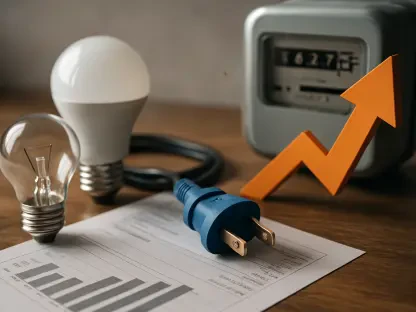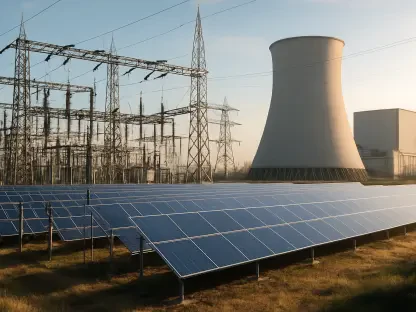

What happens when the global appetite for electricity surges beyond the capacity of aging grids to keep up, threatening reliability and sustainability? In an era where electric vehicles, massive data centers, and industrial expansion drive unprecedented demand, utilities and grid operators are racing against time to modernize. This pressing challenge sets the stage for a transformative solution—one that redefines how power systems are planned and managed to meet today’s complex needs. Enter GE Vernova’s PlanOS, a platform poised to revolutionize integrated grid planning with cutting-edge technology and a vision for a smarter, more resilient energy future.
The importance of this story lies in the sheer scale of the energy crisis unfolding worldwide. With demand projected by the International Energy Agency to grow at a staggering rate, the pressure on infrastructure is immense. Traditional planning methods, rooted in outdated, fragmented approaches, are failing to address the integration of renewables, extreme weather risks, and skyrocketing consumption. PlanOS offers a lifeline, introducing a unified system that could shape the reliability and affordability of electricity for billions. This narrative explores how this innovation tackles the toughest grid challenges and why it matters now more than ever.
Navigating the Surge in Global Energy Demand
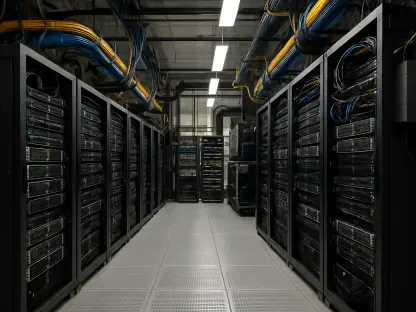
Across the globe, the energy sector is grappling with a tidal wave of demand that shows no signs of slowing. Data centers alone are expected to consume up to 12% of total U.S. electricity by 2028, according to the U.S. Energy Information Administration. Meanwhile, rapid electrification in transportation and manufacturing adds further strain, particularly in high-growth regions like China and India. This isn’t just a technical issue—it’s a societal one, as blackouts or inefficiencies could disrupt economies and livelihoods on a massive scale.
The stakes couldn’t be higher as utilities face a dual burden: maintaining stability with infrastructure that wasn’t built for such loads while transitioning to cleaner energy sources. Extreme weather events compound the problem, exposing vulnerabilities in grids already pushed to their limits. The question looms—how can the industry adapt fast enough to prevent widespread failures? It’s clear that sticking to old playbooks won’t suffice in this high-stakes environment.
The Urgent Need for Integrated Grid Planning
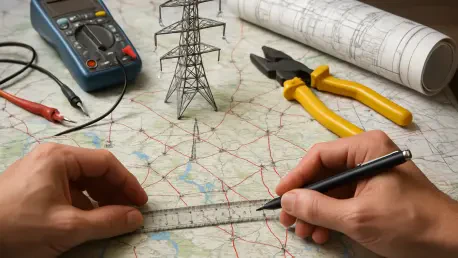
Why does grid planning feel like solving a puzzle with half the pieces missing? Today’s power systems are far more intricate than ever before, juggling renewable integration, distributed energy resources, and unpredictable demand spikes. Traditional methods, often siloed by department or focus area, create blind spots that delay decisions and inflate costs. The fallout is felt in slower responses to crises and missed opportunities for sustainable growth.
Moreover, the economic implications are profound. Billions of dollars are at stake as countries commit to massive grid investments—think E.ON’s 34 billion Euro pledge in Germany through 2028 or India’s ambitious $500 billion plan by 2032. Without a cohesive strategy, these funds risk being squandered on short-term fixes rather than long-term resilience. Integrated grid planning emerges as the critical framework to align these efforts, ensuring every dollar builds toward a stronger, greener future.
PlanOS: Redefining Grid Management with Technology
At the heart of this transformation lies GE Vernova’s PlanOS, a platform that turns the concept of integrated system planning into reality. Unlike piecemeal tools of the past, this solution unifies data models and real-time analysis, enabling planners to see the full picture—from capacity expansion to power flow dynamics. Features like scenario-based forecasting and version control slash errors and accelerate timelines, offering a level of precision once thought impossible.
The impact is tangible when considering specific challenges, such as balancing renewable energy’s variability with sudden demand surges. PlanOS allows operators to simulate countless future scenarios, optimizing where and how to invest. For instance, in regions with heavy data center growth, the platform can pinpoint infrastructure needs before bottlenecks emerge. This isn’t just about keeping the lights on—it’s about building grids that anticipate tomorrow’s demands today.
Expert Perspectives on a Planning Revolution
Voices from the industry underscore the urgency and potential of this shift. A senior executive at a major utility recently noted, “The complexity of modern grids demands tools that break down silos—PlanOS is a step toward that unified vision.” Such sentiments align with broader research, including the International Energy Agency’s estimate of $3.3 trillion in energy sector investments needed globally. Experts agree that without strategic planning, even this monumental funding could fall short of delivering reliable power.
Adding depth to the conversation, grid operators testing PlanOS have reported faster alignment on critical decisions, particularly in regulatory contexts where transparency is key. These real-world insights reveal a shared belief: technology like this isn’t a luxury but a necessity. As one planner put it, “Seeing all variables in one place changes how you approach every challenge.” Such feedback paints a vivid picture of a tool reshaping the industry’s mindset.
Implementing PlanOS: A Roadmap for Utilities
For utilities ready to embrace this future, adopting integrated planning with PlanOS begins with a hard look at existing gaps. Assessing where data fragmentation or outdated processes slow progress is the first step. From there, integrating cross-departmental information into a single platform can uncover hidden inefficiencies, setting a foundation for smarter decisions.
Next, leveraging scenario planning within PlanOS allows teams to stress-test strategies against future load growth or renewable integration hurdles. This forward-thinking approach helps prioritize investments with clarity. Finally, fostering collaboration through the platform’s tools ensures stakeholders—from engineers to regulators—stay aligned, streamlining everything from project approvals to crisis response. Each move builds momentum toward a grid that’s not just reactive, but proactive.
Looking back, the journey of grappling with unprecedented energy demands revealed a stark truth: old ways of grid planning couldn’t keep pace with modern complexities. The exploration of GE Vernova’s PlanOS showed how technology could bridge critical gaps, turning chaos into coordination. As utilities stood at the crossroads of investment and innovation, the path forward became clearer—embrace tools that unify and anticipate. The next steps rested on bold adoption, with platforms like PlanOS paving the way for grids that could withstand any challenge. The energy sector’s future hinged on such decisive action, ensuring reliability and sustainability for generations to come.