
The rapid convergence of artificial intelligence and industrial power consumption has created a paradigm shift where traditional utility companies are now operating as high-growth technology enablers. DTE Energy is currently leading this transition by moving away from its diversified services and focusing entirely on its regulated electric and gas operations in Michigan. This strategic evolution is not a mere corporate restructuring; it is a response to the massive load requirements of global technology giants. By prioritizing infrastructure that supports high-volume data centers, the company is positioning itself to handle the modern digital economy while transitioning to a resilient energy mix. This analysis explores how the utility is leveraging this unique demand to fuel its investment pipeline and deliver long-term value to its customer base.
The Strategic Shift Toward a Regulated Utility Powerhouse
Historically, the energy sector relied on a mix of regulated and unregulated ventures to balance risk, but the current demand for grid modernization has necessitated a more streamlined approach. DTE Energy recently finalized the $3 billion sale of its non-utility business to institutional investors, a move that provided the liquidity needed to fund an ambitious $44.2 billion investment plan. This shift reflects a broader industry trend where utilities offload volatile segments to focus on the stability of regulated infrastructure. By simplifying the business model, the company unlocked capital reserves to modernize poles, wires, and power plants for a new era of electrification. This focus ensures that the utility remains a premium asset with predictable returns in an increasingly complex market.
A Massive Capital Reallocation and Historical Context
The decision to divest non-core assets was driven by the urgent need to address Michigan’s evolving energy landscape. The previous model, which balanced regulated utilities with industrial services like DTE Vantage, served its purpose during periods of slower growth. However, the current “once-in-a-generation” demand for electricity requires a more aggressive capital allocation strategy. The proceeds from recent divestitures are being funneled into a five-year plan that represents a 30% increase over previous projections. This massive reallocation of resources allows the utility to scale its operations without placing an undue burden on its balance sheet. Consequently, the company is now better equipped to handle the electrification of the economy while maintaining a clear focus on its core mission of delivering reliable power.
Fueling Growth Through Data Center Partnerships
Securing High-Profile Tech Loads and Grid Stability
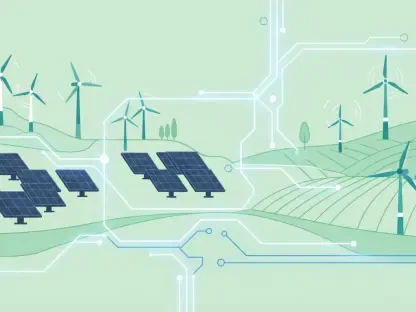
The centerpiece of the growth strategy involves high-profile partnerships with technology leaders like Google and Oracle, which have already committed to 2.4 GW of load. To support such massive power requirements, the utility is deploying significant capital from 2026 to 2031. This plan involves a sophisticated mix of renewable energy sources and gas-fired generation to maintain reliability. By integrating 7.6 GW of solar and wind alongside 2.1 GW of natural gas, the company ensures that the grid can handle the 24/7 demands of high-performance computing centers. This diversified approach is essential for maintaining grid stability as the consumption patterns of the technology sector continue to evolve.
Economic Benefits for the General Customer Base
A common misconception is that large industrial projects increase the financial burden on residential households, but these developments offer significant economic benefits. By integrating approximately 5–6 GW of potential additional load currently in the development pipeline, the utility can spread fixed system costs across a larger volume of energy sales. This load growth exerts downward pressure on residential rates, allowing the company to modernize the grid without relying solely on frequent rate increases. The result is a scenario where massive tech investments effectively subsidize the resilience of the local energy network for every individual user. Furthermore, the increased tax base and regional investment contribute to the overall economic health of the Michigan service territory.
Navigating Regulatory Landscapes and Financial Performance
Managing this transition requires a delicate balance between financial expansion and regulatory compliance. The company is currently moving through a significant $474 million rate case designed to provide financial stability through 2029 while supporting massive capital projects. Recent financial results, such as a net income of $470 million in the most recent quarter, demonstrate that the strategy is already yielding results. By utilizing asset sale proceeds instead of issuing new debt, the company maintains a robust balance sheet while pursuing an annual earnings growth rate of over 9%. This disciplined financial management is critical for attracting the long-term investment needed to sustain a multi-decade infrastructure upgrade.
The Future of Michigan’s Energy Infrastructure
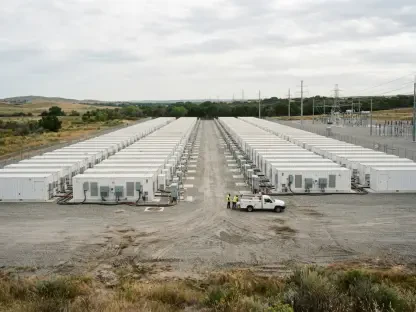
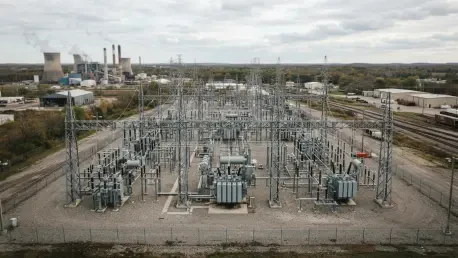
As the demand for artificial intelligence and cloud computing continues to accelerate, the future of Michigan’s energy landscape is becoming increasingly centered on digital infrastructure. The ongoing expansion of the investment pipeline suggests that the electrification of the economy is moving faster than previously anticipated. We can expect future developments toward 2030 to focus heavily on high-voltage transmission and advanced energy storage systems to bridge the gap between renewable energy production and industrial consumption. This trajectory positions the region as a primary hub for the data-driven industries of the next decade, supported by a utility that has successfully transitioned into a specialized growth engine.
Key Strategies for Navigating the Energy Transition
For industry professionals and stakeholders, the current utility model emphasizes that proactive engagement with hyperscale customers is a vital strategy for funding regional grid improvements. Businesses should focus on aligning their operational needs with long-term utility planning to ensure that power availability does not become a bottleneck for growth. Maintaining a diverse energy portfolio that includes both clean energy and reliable gas generation is critical for maintaining the high levels of reliability required by the tech sector. Furthermore, utilizing regulated capital to drive infrastructure expansion offers a lower-risk path to achieving high-growth outcomes in a volatile economic climate. Policy support for streamlined permitting will also be essential to ensure that grid capacity keeps pace with technological advancements.
Sustaining Momentum in a Digital World
The transition toward a tech-centric utility model provided essential lessons in how to manage the convergence of energy and data infrastructure. Stakeholders realized that the most effective way to maintain affordability was to embrace high-volume industrial loads as a tool for cost distribution. Strategic divestitures allowed for a massive reallocation of capital into the core energy grid, which secured a more resilient future for both industrial and residential users. This approach prioritized long-term infrastructure health over short-term diversification, proving that large-load partnerships were essential for modernizing energy systems. By adopting these strategies, the company paved the way for Michigan to become a leader in the sustainable development of the digital economy.