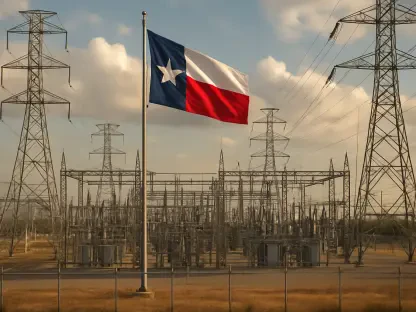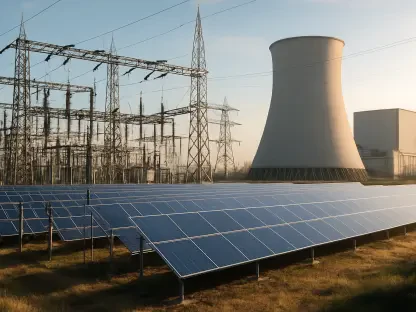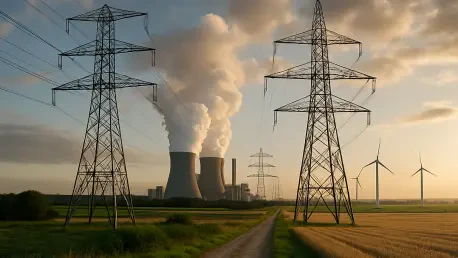

The American power grid currently stands at a crossroads where the immediate demands of massive technological growth collide with the physical and financial limits of a century-old infrastructure. As the central arbiter of wholesale electricity markets, the Federal Energy Regulatory Commission (FERC) is now pivoting toward a more complex energy landscape defined by decarbonization and unprecedented load expansion. This regulatory body must balance the urgent need for clean energy integration against the friction caused by aging transmission lines and historic growth in demand.
This subject carries immense significance because the stability of the national economy depends on a seamless transition from legacy power systems to a modernized, resilient network. Industry leaders recognize that the current friction is not merely technical but deeply economic, as interconnection disputes and shifting investment realities threaten to stall progress. This analysis explores how FERC is navigating these turbulent waters, focusing on the financial health of utilities, the integration of power-hungry data centers, and the structural reforms needed to unlock the grid.
The Balancing Act of Modernizing a Legacy Power Grid
Navigating the transition to a carbon-neutral future requires a delicate equilibrium between maintaining reliability and incentivizing innovation. FERC serves as the lead navigator in this process, ensuring that the rules governing how electricity is bought, sold, and moved across state lines remain fair while accommodating a surge in new generation. The current landscape is characterized by a high-stakes race to upgrade infrastructure before it is overwhelmed by the twin pressures of retirement for older plants and the arrival of massive new energy users.
Strategic focus has shifted toward resolving the inherent conflicts between historic utility models and the modern demand for a flexible, decentralized grid. This tension is most evident when analyzing how much capital is required to keep the lights on versus how much consumers can reasonably be expected to pay. By examining recent commission proceedings, it becomes clear that the path forward involves a mixture of strict legal adherence and a desperate search for proactive planning models that can prevent the system from grinding to a halt.
Resolving the Interconnection Bottleneck and Financial Stability
Breaking the “Highway to Hell” in Project Queues
The systemic failure of the current interconnection process is perhaps best illustrated by the stark reality of ballooning costs that often materialize late in the development cycle. In one notable dispute, a solar and battery project saw its estimated upgrade costs explode from approximately $1 million to a staggering $72 million. Such massive discrepancies effectively act as a “death knell” for projects, forcing developers to withdraw and leaving the grid without the new generation it needs to meet rising demand.
Commissioners have voiced significant concerns that the current method of studying grid impacts is increasingly unsustainable, describing the process as a “shot in the dark” for those investing capital. The consensus among regulatory experts is that the industry must move toward proactive regional planning. By merging transmission planning with interconnection studies—a model exemplified by the Southwest Power Pool—the goal is to provide cost certainty much earlier in the process, thereby reducing speculative requests and accelerating the deployment of actual power.
Recalibrating the Cost of Capital in New England
Financial stability for utilities is also being tested by recent decisions regarding the base Return on Equity (ROE), particularly in the New England region. A long-standing legal battle culminated in a reduction of the base ROE from 10.57% to 9.57%, a move intended to provide relief to ratepayers after more than a decade of litigation. However, for major transmission owners like Eversource and National Grid, this percentage shift translates into millions of dollars in lost annual earnings, potentially chilling the climate for future private investment.
While consumer advocates champion these lower rates as a victory for affordability, utility representatives argue that such reductions may constitute a form of regulatory malpractice. They contend that the returns must remain high enough to attract the private capital necessary for essential infrastructure build-outs. This debate highlights the difficult tightrope FERC must walk: protecting the public from excessive costs while ensuring that the financial “engine” of the energy transition remains properly fueled and attractive to global investors.
Distributed Responsibility for Grid Reliability and Coal Extensions
The complexity of the energy transition is further complicated by emergency mandates that require aging coal plants to remain operational beyond their planned retirement dates. In the Midcontinent Independent System Operator (MISO) territory, FERC has had to adjudicate how to recover the costs for these federally ordered extensions. The decision to share these financial burdens across multiple states rather than a single utility’s ratepayer base reflects a move toward regionalized responsibility for reliability.
These cases challenge the common assumption that the path to decarbonization is a linear, downward slope. Instead, they illustrate how reliability mandates often override climate goals in the short term to prevent localized blackouts. By distributing these costs across a broader geography, regulators acknowledge that the benefits of a stable grid are shared by everyone, even when the actual generation source is an aging facility that many hoped to move past years ago.
Adapting to the Digital Surge: Data Centers and Cybersecurity
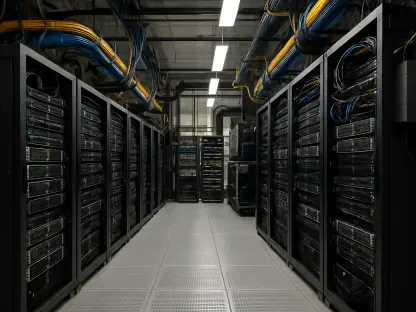
As industrial-scale energy users like data centers continue to proliferate, the theme of “load flexibility” has moved to the forefront of grid policy. Industry analysts suggest that these massive consumers can no longer remain passive “takers” of electricity; they must become active participants in maintaining grid stability. This involves shifting operations in real-time based on price signals and grid stress, essentially acting as a virtual battery that can reduce strain during peak periods.
In tandem with load growth, the threat of digital interference has led to stricter cybersecurity standards, particularly for “low-impact” systems that were previously overlooked. The move toward virtualization allows utilities to modernize their cyber defenses more efficiently, but it also introduces new vulnerabilities. To protect the nation’s energy backbone, the focus has shifted toward creating a more secure digital perimeter that can withstand coordinated attacks on the distributed assets that make up the modern grid.
Strategic Imperatives for an Evolving Regulatory Landscape
The transition from reactive, one-by-one interconnection studies to consolidated planning models represents a vital strategic shift for the entire sector. Developers and utilities must now prioritize regions that offer high cost-certainty and transparent planning to mitigate the risk of sudden financial shocks. Investing in load-shifting technologies and participating in regional transmission organizations that embrace integrated planning will likely be the hallmark of successful energy companies in the coming years.
Stakeholders should also actively engage with the evolving standards on cybersecurity and virtualization to future-proof their physical and digital assets. By adopting “secure-by-design” principles, utilities can navigate the regulatory requirements while enhancing the overall resilience of the bulk power system. The move toward a more flexible and digitalized grid is not just a regulatory hurdle but a significant opportunity for those who can adapt to the new realities of power management.
Charting a Course Through the Energy Transition
The recent commission proceedings highlighted a fundamental shift toward transparency and financial equilibrium as the primary drivers of U.S. energy policy. Regulatory decisions served as both a catalyst for modernization and a sober reminder of the financial risks inherent in an aging network. The focus remained squarely on creating a framework where technological resilience and market stability could coexist, even as traditional models were being dismantled.
To move forward, the industry must look toward deeper collaboration between regional grid operators and state regulators to align decarbonization goals with the physical realities of transmission capacity. Future considerations should include the expansion of “grid-enhancing technologies” that allow existing lines to carry more power, thereby bypassing some of the legal and financial hurdles of new construction. Ultimately, the success of the U.S. power system will depend on whether the regulatory framework can remain agile enough to support a carbon-free future while maintaining the ironclad reliability the nation requires.