
What happens when the insatiable appetite of artificial intelligence collides with an electrical grid built for a slower, more predictable era? Across the United States, utility planners are grappling with a seismic shift as data centers, fueled by AI, demand unprecedented amounts of power at breakneck speed. This isn’t just a technical puzzle—it’s a race to redefine how energy infrastructure is planned and built to keep the lights on for millions.
The Grid’s Breaking Point
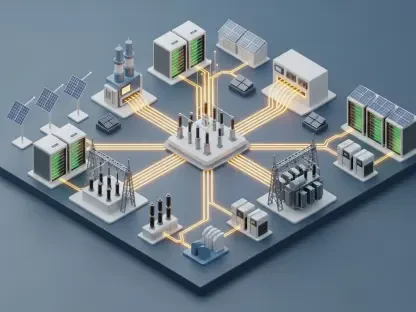
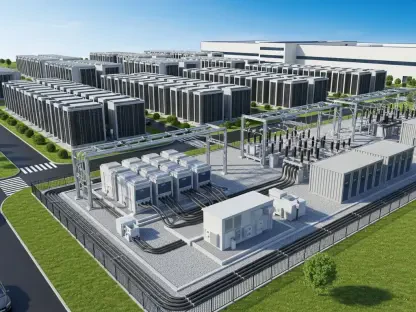
The stakes couldn’t be higher. With AI-driven data centers popping up in tech corridors and electrification trends accelerating, the U.S. grid faces a demand surge that’s compressing decade-long planning cycles into mere years. A single data center can require hundreds of megawatts within 24 months, yet transmission line upgrades often lag six to eight years behind. This mismatch threatens reliability, affordability, and the very foundation of modern life, as businesses and households depend on uninterrupted power.
AI Demand: A New Kind of Energy Beast
Unlike past growth patterns, the rise of AI introduces a unique challenge. Data centers aren’t just power-hungry; they need connections fast—often within 18 to 36 months. Compare that to the seven to ten years typically required for major grid upgrades, and the problem becomes clear. This urgency is reshaping how utilities prioritize projects, forcing a pivot from slow, methodical expansion to rapid, targeted solutions. The risk of ignoring this shift is stark: outages, delays, and ballooning costs could ripple across the economy.
Moreover, the sheer scale of this demand is staggering. Current U.S. utility-scale generation stands at about 1,189 gigawatts, yet over 1,350 gigawatts of new generation and storage capacity wait in interconnection queues. Even if only a fraction comes online, the grid must stretch beyond its historical limits to accommodate this growth, testing every aspect of planning and infrastructure design.
The Crunch of Compressed Timelines
One of the most daunting hurdles is the timeline squeeze. High-growth areas might face 500 megawatts of new load requests in just two years, while the necessary transmission infrastructure remains years away from completion. Utilities are caught in a bind, needing to deliver immediate fixes without sacrificing long-term stability. This compression of planning from ten years to three demands a radical rethinking of how projects are prioritized and executed.
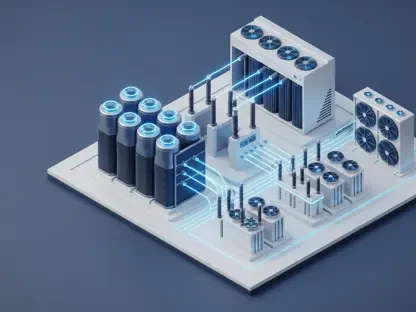
Beyond timelines, stability itself is under threat. Traditional rotating generators once provided natural inertia and voltage control, acting as buffers against grid shocks. As these units retire, that built-in resilience vanishes, particularly in regions with rapid load spikes. Engineering stability from scratch becomes a critical task, requiring innovative tools and strategies to prevent blackouts and maintain reliability.
Voices from the Trenches
Utility planners and industry experts are sounding the alarm with striking candor. A seasoned executive from a major utility shared, “The grid can’t afford to wait a decade when customers are demanding power in two years.” This sentiment echoes across the sector, as research reveals queued generation capacity outstripping existing infrastructure by a wide margin. In tech-heavy regions like the Southeast, stories emerge of planners juggling public pressure and regulatory constraints while racing to meet explosive demand without compromising safety or cost.
These firsthand accounts paint a vivid picture of a system under strain. From rural substations to urban hubs, the challenge varies but the urgency remains constant. Planners describe sleepless nights over balancing immediate load growth with the need for sustainable, long-term solutions, all while navigating an increasingly complex landscape of stakeholders and expectations.
Building a Smarter, Faster Grid
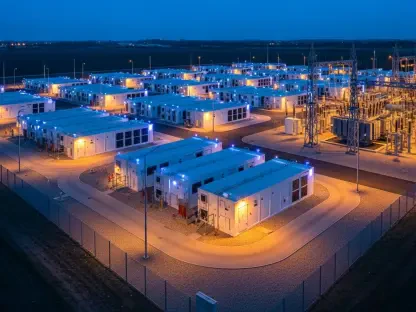
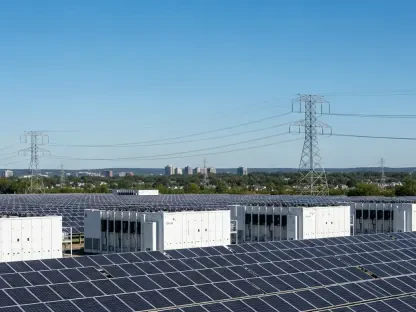
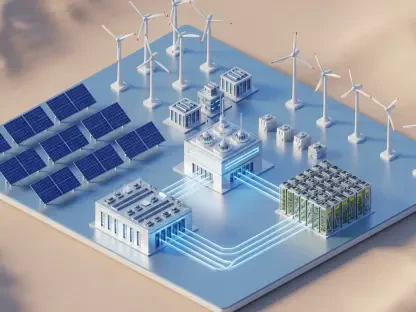
Thankfully, solutions are within reach if utilities embrace agility. Rapid-deployment technologies like modular thermal capacity and advanced grid-forming storage offer a lifeline, allowing new capacity to be installed near load centers in months rather than years. These tools can bridge the gap while larger transmission projects inch toward completion, ensuring that high-demand areas aren’t left in the dark.
Collaboration also holds promise. By partnering with large commercial customers—think data center operators—utilities can share the cost and speed of infrastructure upgrades. Such co-investment models target high-demand corridors directly, easing the financial burden on residential users and accelerating deployment. This approach isn’t just practical; it’s a way to maintain fairness across the board.
Additionally, planning must account for avoided costs. Preventing outages, delays, and bottlenecks saves millions, making fast-to-deploy assets a smart investment. Utilities can balance these short-term wins with long-term vision by running dual timelines—tackling urgent needs with localized fixes while pushing forward on expansive generation and transmission projects. Speed, stability, and location emerge as the guiding triad, ensuring resources hit the mark where they’re needed most.
Reflecting on a Grid Transformed
Looking back, the journey to adapt the U.S. grid to AI’s power surge revealed both vulnerability and resilience. The stark mismatch of timelines, the enormity of demand, and the loss of traditional stability forced a reckoning among utility planners. Yet, through innovative technologies and strategic partnerships, a path emerged to meet these challenges head-on.
As the dust settled, the focus shifted to actionable next steps. Utilities had to prioritize rapid evaluation cycles and modular solutions to keep pace with load growth. Collaboration with industry became non-negotiable, ensuring costs were shared and solutions reached critical areas swiftly. Above all, the lesson was clear: adaptability defined success. By rethinking old assumptions and embracing a faster, location-driven approach, the grid could not only survive but thrive amid the electric demands of a digital age.