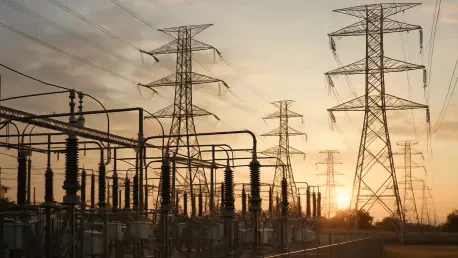

The staggering complexity of balancing a carbon-neutral future with the immediate necessity for operational stability has forced California to reimagine its power procurement strategy. As the state moves deeper into this decade, the California Public Utilities Commission (CPUC) has issued a definitive directive requiring load-serving entities to secure an additional 6 gigawatts of non-fossil fuel capacity. This mandate serves as a critical buffer against anticipated energy shortfalls, ensuring that the transition toward a greener economy does not come at the expense of a functional grid.
The Evolution of California’s Clean Energy Landscape and the 6 GW Directive
The current electrical landscape in California is defined by an aggressive pivot toward total carbon neutrality, a goal that requires the systematic retirement of aging natural gas plants. However, the closure of these legacy facilities has created a structural deficit in firm, reliable power that can be dispatched during periods of high demand. To address this, the CPUC has mandated that all load-serving entities, which include investor-owned utilities and community choice aggregators, procure new resources that can provide energy without relying on the combustion of fossil fuels.
This directive is not merely a suggestion but a legally binding requirement that modernizes the state’s energy infrastructure by forcing the integration of advanced storage and zero-emission generation. Market players are now categorized by their ability to meet these benchmarks, with major utilities like Pacific Gas and Electric bearing the heaviest procurement loads. Smaller municipal providers are also included in the scope, ensuring that the responsibility for grid reliability is distributed across the entire spectrum of energy retailers in the state.
Driving Forces and Market Projections for the 2030 Transition
Technological Shifts and the Surge in Digital Infrastructure Demand
The sudden and massive expansion of digital infrastructure, particularly data centers supporting artificial intelligence and cloud computing, has fundamentally altered California’s load profile. These facilities operate with a high capacity factor, requiring a constant stream of electricity that places immense pressure on traditional grid management. Moreover, the economy-wide push for electrification in the transportation and residential heating sectors has further intensified the need for a more robust and responsive power system.
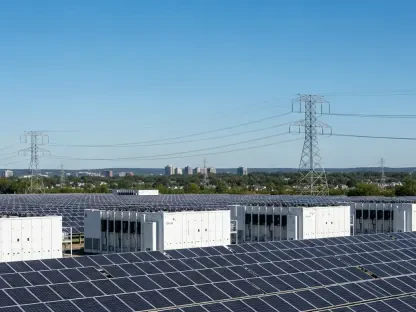
To mitigate the intermittency inherent in weather-dependent clean power, the industry is increasingly turning toward long-duration energy storage and Renewables Portfolio Standard compliant resources. These technologies allow the grid to capture excess solar and wind energy during the day and discharge it during the evening peaks when production typically drops. By prioritizing these zero-emitting technologies, the state aims to maintain stability without reverting to carbon-heavy backup generation.
Growth Projections and the Phased Implementation Roadmap
The implementation of the 6 GW mandate follows a strict timeline designed to provide developers and utilities with clear milestones for project completion. Starting in 2030, the state requires an incremental addition of 2 GW per year, concluding with the final 2 GW installment by 2032. This phased roadmap is informed by “managed peak” forecasts, which analyze the highest possible stress points on the grid and determine the exact amount of capacity needed to prevent rolling blackouts or emergency load shedding.
Analyzing these projections reveals that the 6 GW figure is a calculated response to a long-term capacity outlook that predicted significant reliability shortfalls if no action was taken. By locking in these procurement obligations now, the commission provides the market with the certainty needed to finance large-scale renewable projects. This strategy effectively front-loads the investment required to stabilize the grid before the most critical shortages manifest in the early 2030s.
Navigating the Hurdles of Large-Scale Energy Procurement
One of the most significant challenges in this massive undertaking is the inherent risk of “gold-plating,” where utilities might over-invest in infrastructure, leading to unsustainable rate hikes for consumers. Regulators must meticulously scrutinize procurement contracts to ensure that the pursuit of reliability does not bypass economic common sense. Maintaining affordable rates is a primary concern, especially as the capital-intensive nature of new energy projects threatens to squeeze household budgets across the state.
Logistical bottlenecks also present a formidable obstacle, as the global supply chain for high-capacity batteries and specialized renewable components remains volatile. To address these complexities, the CPUC has established “good faith” compliance pathways, allowing entities to demonstrate their efforts to secure power even if external factors delay project timelines. This balanced approach acknowledges that while the 6 GW target is non-negotiable, the path to reaching it must be flexible enough to handle non-competitive market pricing and unforeseen construction hurdles.
The Regulatory Framework and Alignment with Federal Policy
The CPUC has maintained a strict set of eligibility criteria, ensuring that only truly zero-emitting sources contribute to the 6 GW mandate. This regulatory rigor prevents the rebranding of traditional fossil fuel assets and keeps the state on a clear path toward its environmental targets. Compliance monitoring is handled with high levels of legal scrutiny, and load-serving entities that fail to meet their specific procurement targets face substantial financial penalties, which incentivizes timely action.
Strategic integration of federal policy has also become a cornerstone of the state’s procurement strategy. By aligning state mandates with federal tax credits, utilities can significantly offset the high costs of infrastructure development. Furthermore, the commission coordinates closely with the California Independent System Operator during the Transmission Planning Process to ensure that the physical grid is capable of carrying power from decentralized renewable sites to major urban centers.
Future-Proofing the Grid: Innovation and Institutional Continuity
Leadership transitions within the CPUC, including the recent appointment of new commissioners, have underscored a commitment to institutional continuity. These leaders are tasked with overseeing the evolution of high-voltage transmission lines, which are necessary to support the influx of power from diverse, often remote, renewable sources. As the grid becomes more decentralized, the role of market disruptors and changing consumer behaviors, such as the adoption of rooftop solar and home batteries, will continue to influence how future procurement cycles are designed.
The growth of industrial load also presents an opportunity to redistribute fixed infrastructure costs. If managed correctly, the high demand from new data centers and industrial plants could provide the revenue necessary to fund grid upgrades without placing the entire burden on residential ratepayers. This dynamic requires a sophisticated understanding of how energy-intensive industries interact with the wholesale market and how their presence can be leveraged to enhance overall system resilience.
Achieving the Dual Imperative of Resilience and Decarbonization
The 6 GW mandate served as a pivotal safeguard against the energy volatility that characterized the earlier part of the decade. This comprehensive policy framework demonstrated that environmental stringency and economic pragmatism were not mutually exclusive but were instead complementary goals. By establishing clear milestones and strict eligibility standards, the commission successfully navigated the complexities of a rapidly changing energy market.
Stakeholders found that the best path forward involved a combination of technological innovation and transparent regulatory compliance. The focus shifted toward long-term system health rather than short-term fixes, which ultimately provided a more stable foundation for the state’s economy. These initiatives proved that a reliable, non-fossil fuel grid was achievable through proactive planning and the strategic use of federal incentives, setting a precedent for other regions looking to modernize their own electrical infrastructure.