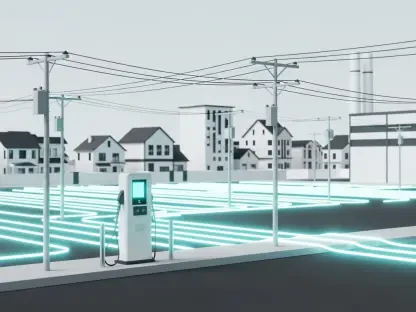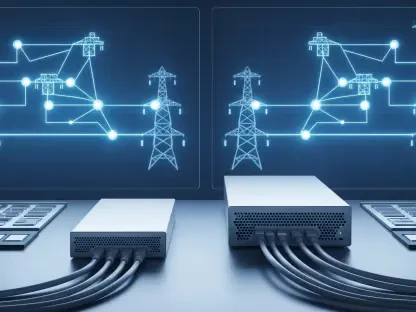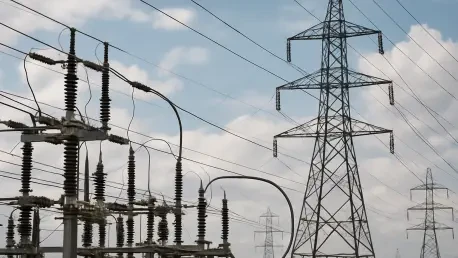

Across the vast stretches of the American industrial heartland and the bustling corridors of the Atlantic coast, thousands of megawatts of potential energy sit trapped behind a regulatory wall of bureaucratic delays and aging infrastructure requirements. This paradox defines the modern energy landscape: while developers possess the technology and capital to deploy rapid solar and storage solutions, the physical act of connecting these assets to the high-voltage transmission system often involves a waiting period spanning more than half a decade. To resolve this stagnation, a tactical “piggyback” strategy known as Surplus Interconnection Service is emerging as a critical tool for states determined to secure their electrical future without waiting for federal overhaul.
The legislative sessions of the current year have signaled a definitive turning point for state-led energy independence as lawmakers move to bypass the traditional, sluggish interconnection queues. By focusing on the existing capacity within the current grid, states like Indiana and Virginia are proving that the fastest way to build a more resilient energy system is not always through massive new construction projects, but through the intelligent optimization of what is already there. This shift represents a move toward a more pragmatic regulatory environment where speed and efficiency are prioritized to meet the skyrocketing demands of a digitized economy.
The Secret Shortcut to America’s Power Grid
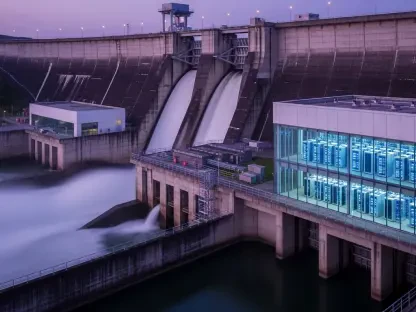
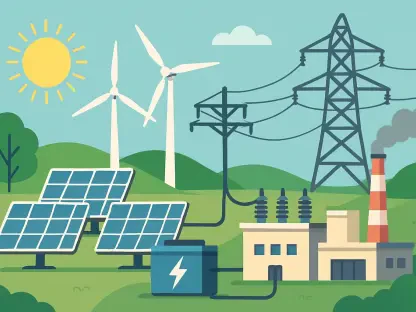
The concept of “piggybacking” new energy assets onto existing infrastructure is revolutionizing the timeline for bringing power online by leveraging the unused electrical rights of established facilities. In many cases, a power plant is authorized to inject a specific amount of electricity into the grid, but it rarely utilizes that full capacity at every hour of the day. This creates a hidden window of opportunity where new resources, such as battery energy storage or supplemental solar arrays, can occupy that “spare change” of the electrical system without requiring the massive, expensive upgrades typical of new grid entries.
This strategy addresses the growing frustration of energy developers who have projects ready for operation but find themselves caught in a cycle of multi-year approvals. The traditional method treats every new project as a completely independent addition, triggering exhaustive studies that can take five to seven years to complete. By contrast, utilizing surplus capacity allows for a streamlined review process that focuses on the compatibility of the new asset with the existing site, often reducing the administrative wait time from years to mere months.
Breaking the Interconnection Logjam: Why Efficiency Matters Now
National energy security is increasingly tied to the ability of the grid to adapt to sudden shifts in supply and demand, yet the current “interconnection queue” crisis has created a massive bottleneck. With over two terawatts of energy capacity waiting in line across the United States, the traditional “first-come, first-served” model has become a liability that prevents the timely deployment of critical resources. Maximizing existing infrastructure through brownfield development—reusing land and connections already dedicated to power generation—offers a way to lower the environmental footprint of expansion while bypassing the logistical nightmares of securing new rights-of-way.
The urgency of this transition is fueled by the unprecedented rise in electricity demand coming from massive data center clusters and a resurgence in domestic manufacturing. As these high-demand industries expand, the need for immediate, reliable capacity has outpaced the slow crawl of traditional grid expansion. Regulatory evolution is no longer a theoretical preference; it is a necessity for states that wish to remain competitive and avoid potential rolling blackouts or astronomical price spikes caused by supply shortages.
New Legislative Mandates: A Deep Dive into Indiana and Virginia
The Facilitating Access to Surplus Transmission (FAST) Act in Virginia stands as a landmark piece of legislation that moves beyond voluntary utility participation toward mandatory efficiency. By requiring major investor-owned utilities like Appalachian Power and Dominion Energy to conduct comprehensive audits of their unused capacity, the state is forcing transparency in grid management. This act ensures that the potential for surplus interconnection is not ignored in favor of more expensive, capital-intensive new builds that would ultimately increase costs for the average ratepayer.
Indiana has taken a similarly bold step with the passage of SB 240, which establishes a long-term mandate for utilities to prioritize the use of surplus capacity before seeking approval for new generating plants. Starting in the coming years, any utility in Indiana that wishes to build a new facility must first demonstrate that it has exhausted the possibilities of utilizing existing interconnection points. This legislative move ensures that the state’s energy planning is rooted in the most cost-effective and efficient use of existing resources, providing a clear path for battery storage and hybrid energy projects.
The Mechanics and Economics of Surplus Interconnection Service (SIS)
At its core, Surplus Interconnection Service is defined by its ability to tap into the latent electrical rights of an existing power facility. If a gas plant has a 500-megawatt connection but only operates at full capacity during peak summer afternoons, that connection sits largely vacant for the remainder of the year. SIS allows a developer to install a battery system or solar field that uses that 500-megawatt “pipe” when the gas plant is dormant or running at a lower level, effectively doubling the utility of the same physical transmission line.
The economic advantage of this model is found in the staggering price gap between standard and surplus connections. While a standard interconnection request for a solar project might cost upward of $333 per kilowatt due to required network upgrades, a surplus project can often be completed for less than one dollar per kilowatt. This cost reduction is a game-changer for project viability, allowing for the rapid hybridization of intermittent wind and solar farms. By co-locating storage, these facilities can transform into reliable, dispatchable power sources that provide energy even when the sun is down or the wind is still.
Regional Successes vs. The PJM Bottleneck
Grid operators like MISO and the Southwest Power Pool have demonstrated the scalability of this model by managing nearly 20,000 megawatts of surplus requests with relative ease. These regions have created clear frameworks that allow developers to move through the study process quickly, resulting in a surge of battery deployments that have bolstered grid reliability. Their success serves as a blueprint for how a well-regulated surplus program can de-risk the energy transition by providing a clear, predictable pathway for private investment.
In contrast, the PJM Interconnection—the nation’s largest grid operator—has historically lagged behind, struggling with a “single owner” rule that complicates the legal process for adding new assets to existing sites. This bottleneck has left a massive amount of latent power supply on the table, with experts from research institutions like UC Berkeley estimating that nearly 150 gigawatts of capacity could be unlocked if PJM adopted more flexible rules. Addressing these hurdles is essential for the Mid-Atlantic and Midwest regions to meet their aggressive energy goals without compromising system stability.
Strategies for Implementing SIS in Local Energy Portfolios
The implementation of Surplus Interconnection Service required a new framework for utilities that moved away from the status quo of infrastructure development. Effective strategies involved conducting granular audits of both current and planned generating facilities to identify every megawatt of available headroom. These audits provided the baseline data needed for states to issue formal requests for proposals, specifically targeting surplus capacity for rapid battery storage deployment. This model allowed Virginia to jumpstart its energy storage pilot programs, creating a template that other states quickly began to emulate to solve their own capacity shortfalls.
Integrating these surplus studies into state-level energy planning helped bridge the gap between long-term environmental goals and immediate reliability needs. Developers learned to navigate the varying rules of different Regional Transmission Organizations by prioritizing projects that met the specific criteria for “expedited” review. The focus shifted toward creating hybrid energy portfolios that maximized the return on existing transmission assets while minimizing the need for new, controversial power line projects. Ultimately, the successful adoption of these laws demonstrated that the path to a modernized grid was found through the intelligent reuse of existing electrical architecture, ensuring that the lights stayed on during the transition to a more diverse energy mix.