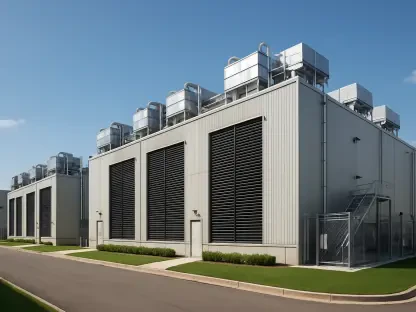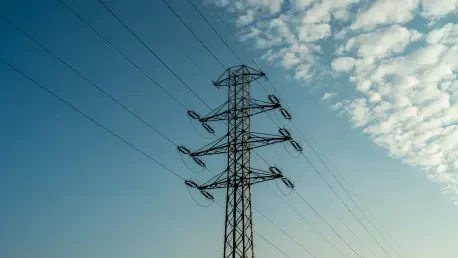

While millions of Americans unknowingly flipped switches during the recent freeze, the nation’s electrical backbone was quietly teetering on the edge of a catastrophic failure. Jim Robb, head of the North American Electric Reliability Corp. (NERC), recently described Winter Storm Fern as a “classic near-miss.” This characterization serves as a sobering reminder that our modern lifestyle depends on a system operating with increasingly razor-thin margins. While localized outages affected roughly a million people, the broader bulk power system only stayed online due to aggressive emergency protocols and federal interventions.
Analyzing the Thin Margin of Grid Stability During Winter Storm Fern
The survival of the system during the January freeze was less a result of robust capacity and more a testament to rapid emergency management. During the peak of the storm, grid operators had to rely on a complex, diverse fuel mix to prevent a total blackout. This delicate balance was aided by temperatures that, while extreme, ultimately did not reach the record-breaking lows originally predicted by meteorologists.
Specific systemic risks were exposed as thermal generators faced operational strain and renewable sources fluctuated under heavy cloud cover. The vulnerability revealed that even minor deviations in weather patterns or fuel availability can now threaten the stability of the entire national infrastructure. Consequently, the storm highlighted a critical need to understand how these “near-misses” are becoming more frequent as the climate shifts.
The Growing Fragility of National Energy Infrastructure
Despite significant improvements in winterization following previous cold-weather events, the grid remains increasingly fragile. The reliability of this infrastructure is no longer just a technical concern; it is a fundamental pillar of national security and economic stability. As the nation faces a 70% increase in peak demand projections within the next year, the gap between available supply and necessary consumption continues to widen.
This growing instability is not merely a regional issue but a national crisis that affects everything from industrial production to residential safety. Addressing the surge in demand requires a departure from traditional planning toward a more aggressive, forward-looking strategy. Without a shift in how we prioritize grid resilience, the probability of systemic failure during subsequent seasons remains dangerously high.
Research Methodology, Findings, and Implications
Methodology: Data Collection and Modeling
The research involved a rigorous review of data collected by NERC from the Bulk Power System during the height of Winter Storm Fern. Analysts utilized long-term reliability assessments to model how electricity demand surges interact with current generation capacity. This process included an evaluation of the regulatory queue, specifically focusing on the timeline required to integrate new power projects into the existing system.
Findings: Risks and Demand Drivers
The investigation revealed that nearly two-thirds of the United States faces an elevated risk of energy shortfalls over the next five years. A primary driver of this risk is a 200 GW spike in demand, largely attributed to the rapid expansion of massive data centers and industrial electrification. Furthermore, the resource mix is shifting rapidly; while coal and gas are declining, renewables and storage are projected to reach 34% of the total share shortly.
Implications: Reliability and Policy Needs
Maintaining essential services like frequency and voltage support is becoming more difficult as the transition to green energy accelerates. The findings suggest that current policy frameworks are insufficient for the rapid deployment of lagging supply additions. If these regulatory hurdles remain, the practical impact will manifest as more frequent localized outages or, in the worst-case scenario, widespread systemic failures that disrupt every sector of society.
Reflection and Future Directions
Reflection: Successes and Remaining Gaps
Reflecting on the performance during the storm, it is evident that post-2021 winterization efforts provided a necessary safety net, yet they did not bridge the entire gap in infrastructure resilience. The challenge lies in balancing ambitious environmental goals with the immediate, non-negotiable need for reliable baseload power. Furthermore, inaccuracies in weather forecasting continue to hinder the precision of grid stress preparations, leaving operators to react in real-time.
Future Directions: Technology and Regulation
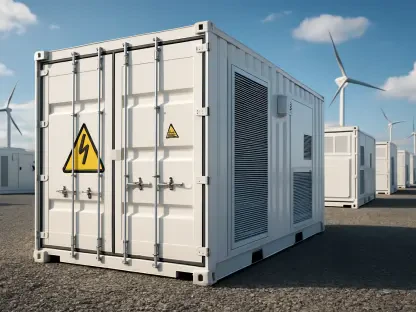
Future research should prioritize how advanced battery storage can stabilize weather-dependent renewables to prevent supply gaps. Additionally, there is a clear mandate to streamline the regulatory process, ensuring that new generation can come online before the next major weather event occurs. Investigating the long-term impact of artificial intelligence on localized grid capacity will also be essential as data center energy consumption continues to skyrocket.
Strengthening the Grid Against an Uncertain Energy Future
The intersection of unprecedented electricity demand and a fluctuating resource base defined the recent challenges faced by the national power system. It became clear that the path to a resilient energy future required more than just incremental changes; it demanded accelerated infrastructure investment and a complete overhaul of project deployment timelines. Industry leaders recognized that moving from a “near-miss” state to true stability would involve a proactive integration of new technologies and a commitment to maintaining baseload reliability. Ultimately, the lessons learned from recent grid stress served as a blueprint for evolving the U.S. power system into a more durable and responsive network.