
Staff training is one of the three critical pillars required to ensure operators understand how to interpret and intervene in AI-driven processes. Currently, in 2026, the water utility sector is navigating a significant shift from traditional manual operations to sophisticated digital management. The release of the “AI & Machine Learning Guidebook for Potable Reuse” represents a fundamental milestone in this transition, offering a comprehensive framework for organizations looking to integrate advanced computational tools. Water management professionals are increasingly pressured by the dual challenges of aging infrastructure and volatile energy markets, making the adoption of predictive analytics a necessity rather than a luxury. This guidebook provides the necessary technical clarity to move beyond the experimental phase of artificial intelligence and into a period of robust, standardized application. By focusing on practical deployment strategies, the resource empowers engineers to build more resilient systems that prioritize public health and operational efficiency.
Bridging the Gap: Translating Science into Operations
Practical Guidance: Translating Complex Data into Actionable Insights
The development of this guidebook was a collaborative effort involving Carollo Engineers, Yokogawa, and several prominent academic institutions, all supported by federal funding. For too long, the water industry was caught between two extremes of information: overly simplified marketing materials and dense academic papers that offered little value to a plant manager. This resource successfully bridges that void by translating complex data science into a language that is accessible to operational teams. It provides a structured methodology for evaluating new technologies, allowing utilities to determine which machine learning models are truly compatible with their existing infrastructure. By focusing on the practical application of algorithms, the guidebook ensures that data insights lead to tangible improvements in water quality and system reliability. This shift is vital for modernizing facilities that have historically relied on reactive maintenance schedules.
Furthermore, the guidebook addresses the psychological and organizational barriers that have slowed the adoption of high-tech solutions. Many utility managers hesitated to implement machine learning because of a perceived lack of control or understanding. By detailing the specific ways that artificial intelligence can assist rather than replace human expertise, the document fosters a culture of innovation. It outlines how digital tools can process vast amounts of historical data to identify patterns that are often invisible to the human eye, such as subtle shifts in chemical demand or early signs of pump fatigue. This analytical depth allows for a more nuanced approach to facility management, where decisions are backed by empirical evidence rather than intuition. As water systems become more interconnected, the ability to translate raw data into clear operational directives is becoming the most valuable skill set in the sector.
Strategic Focus: Navigating Potable Reuse and Advanced Purification
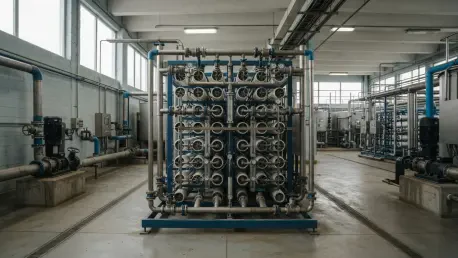
While the principles of machine learning are applicable across all water systems, the guidebook places a specific emphasis on potable reuse due to its inherent complexity. Treating wastewater to meet stringent drinking water standards requires advanced technologies like reverse osmosis and membrane bioreactors, which are both energy-intensive and operationally sensitive. The guidebook uses these high-stakes environments as a rigorous testing ground for machine learning models, proving their effectiveness in managing the most difficult purification processes. By mastering the “worst-case scenarios” of potable reuse, the industry can easily scale these technological solutions down for use in conventional drinking water and wastewater systems. This approach ensures that the most robust models are developed first, providing a high level of confidence for utilities that are just beginning their digital journeys in 2026.
Integrating artificial intelligence into membrane-based systems offers a unique opportunity to optimize processes that were previously considered too variable for automation. Advanced purification facilities often deal with fluctuating source water quality, which can rapidly impact the efficiency of filtration membranes. Machine learning algorithms are particularly adept at predicting these changes, allowing operators to adjust treatment parameters in real time. This proactive stance prevents the degradation of expensive equipment and ensures that water quality remains consistent, regardless of external environmental conditions. By focusing on these sophisticated systems, the guidebook provides a blueprint for operational excellence that prioritizes long-term sustainability. The emphasis on potable reuse highlights the industry’s commitment to creating circular water economies where every drop is managed with the highest level of precision and technological oversight.
Strategic Pillars: Establishing a Foundation for Digital Success
Data Integrity: Prioritizing Quality and Strategic Rollouts
One of the central themes of the new guide is the recognition that artificial intelligence is not a universal remedy for systemic operational flaws. The success of any machine learning initiative is entirely dependent on the quality and consistency of the underlying data. Many utilities have historically overlooked the importance of robust data management, resulting in fragmented records that are unsuitable for advanced analysis. The guidebook stresses that establishing a system for collecting, cleaning, and storing operational data is a mandatory prerequisite for technological advancement. Before a predictive model can be deployed, a utility must ensure its sensors are calibrated and its data architecture is secure. This foundational work is what allows machine learning models to provide accurate and reliable predictions, preventing the “garbage in, garbage out” scenario that has plagued early digital adoption.
Moreover, the transition to AI-driven operations must be a phased and deliberate process rather than an overnight overhaul. The guidebook advocates for a strategic rollout where models are tested under realistic, fluctuating conditions before they are given any level of autonomous control. This gradual implementation allows for the verification of model accuracy against historical benchmarks and ensures that the system can handle seasonal demand shifts. During this period, utilities are encouraged to maintain a high level of transparency regarding how the algorithms function and what specific outcomes they are intended to achieve. By prioritizing data integrity and taking a measured approach to deployment, water managers can mitigate the risks associated with digital transformation. This disciplined strategy ensures that the integration of new technologies does not compromise the core mission of providing safe and reliable water services.
Technical Security: Enhancing Security and Operational Reliability
As water utilities become increasingly reliant on interconnected digital systems, the importance of cybersecurity has reached a critical point in 2026. The guidebook highlights that protecting public infrastructure from external digital threats is just as important as maintaining physical pipelines. Artificial intelligence models often require access to sensitive operational data, making them potential targets for cyberattacks if not properly secured. The resource provides actionable advice on how to build a resilient digital architecture that includes robust encryption, multi-factor authentication, and isolated network segments. By integrating security into the very fabric of the machine learning framework, utilities can safeguard their operations against unauthorized access and potential disruptions. This focus on cybersecurity ensures that the move toward high-tech solutions does not inadvertently create new vulnerabilities in the water supply.
In addition to security, the ongoing maintenance of artificial intelligence models is presented as a necessary operational task. Unlike traditional mechanical equipment, digital models are living assets that require periodic “retraining” to remain effective as facility conditions evolve over time. Changes in raw water characteristics or the installation of new treatment equipment can lead to model drift, where predictions become less accurate. The guidebook outlines the procedures for monitoring model performance and performing the necessary updates to keep the system optimized. This commitment to continuous improvement ensures that the utility’s investment in technology continues to pay dividends long after the initial installation. By treating machine learning as a dynamic component of the facility’s ecosystem, operators can maintain a high level of reliability and adapt to the changing demands of the modern water management landscape.
Operational Excellence: Maximizing Performance and Sustainability
Energy Savings: Achieving Efficiency Through Predictive Analytics
The practical application of predictive analytics has already demonstrated significant impacts on the financial and environmental performance of water facilities. One of the most effective uses of these tools is the prediction of membrane fouling in filtration systems. By analyzing historical performance data, machine learning models can determine the optimal time for membrane cleaning, preventing the excessive energy consumption associated with clogged filters. In several full-scale trials, facilities using these predictive models reported energy savings of at least 10%, which translates to substantial reductions in annual operating budgets. These savings are particularly important for utilities that are struggling with the rising costs of electricity and the need to reduce their overall carbon footprint. The ability to optimize energy use through data-driven insights represents a major step toward achieving the sustainability goals of the sector.
Beyond energy efficiency, predictive analytics also allows for the optimization of chemical dosages, which reduces both waste and the environmental impact of treatment processes. Standard treatment methods often rely on conservative, fixed dosing schedules that do not account for real-time variations in water quality. Artificial intelligence can forecast these variations with high precision, allowing for precise chemical application that maintains safety standards while minimizing excess. This level of control reduces the volume of chemicals that must be transported and stored on-site, further enhancing the facility’s safety profile. The guidebook provides evidence that these technological interventions lead to more consistent water quality outcomes and a more efficient use of resources. As utilities continue to refine their use of predictive tools, the focus will remain on how these optimizations can be scaled across the entire network to provide maximum benefit to the community and the environment.
System Longevity: Promoting Long-Term Resilience and Stability
The industry reached a consensus that the long-term success of water management required a fundamental move away from reactive, “break-fix” maintenance strategies. Professionals recognized that the integration of artificial intelligence was not a trend, but a necessary evolution in civil engineering that ensured the continued stability of public infrastructure. By following the roadmap provided by the guidebook, utility managers successfully implemented data-driven protocols that extended the lifespan of critical equipment. They prioritized the development of technical literacy among staff, ensuring that the human element remained central to the digital transition. This balanced approach allowed organizations to navigate the complexities of aging systems while simultaneously adopting modern tools. The result was a more resilient framework that could withstand the pressures of environmental change and the demands of growing urban populations.
Water agencies actively transitioned their operational philosophies to include continuous monitoring and predictive assessment as standard practices. This shift allowed for the early identification of potential failures, preventing costly emergency repairs and service interruptions. By adopting the technical and organizational pillars outlined in the resource, the sector established a new baseline for operational excellence that emphasized transparency and security. The measurable improvements in energy efficiency and resource conservation provided a clear path forward for sustainable municipal management. Ultimately, the industry moved toward a future where the synergy between advanced computation and professional expertise secured the reliability of the most essential resource. These proactive steps ensured that water systems remained safe and efficient for the community, providing a stable foundation for the ongoing growth and development of the modern world.