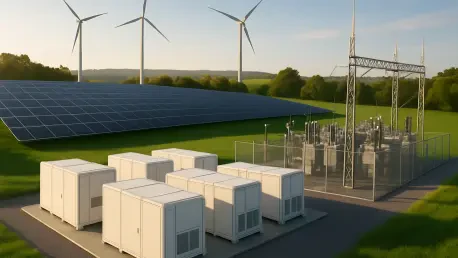

As New Jersey households grapple with the financial strain of unexpectedly high utility costs, state regulators are championing an innovative solution that looks not to massive new power stations but to the untapped potential already existing in homes and businesses. This forward-thinking strategy aims to transform how the state manages its power grid by digitally connecting thousands of small-scale energy resources, a concept designed to lower costs and enhance reliability for everyone. The plan marks a pivotal shift from traditional energy infrastructure toward a more flexible, decentralized, and resilient system.
The urgency of this initiative is underscored by the economic pressure residents have faced. With some electric bills jumping by as much as 20% last year, Governor Mikie Sherrill’s administration has made energy affordability a central policy focus. In response, the New Jersey Board of Public Utilities (BPU) has initiated a formal inquiry into developing virtual power plants (VPPs). This directive represents a crucial step toward modernizing the state’s energy landscape, addressing both immediate consumer costs and the long-term health of its electrical infrastructure.
An Overloaded Grid and Soaring Consumer Costs
New Jersey’s energy challenges are rooted in its aging electrical grid, which is struggling to keep pace with modern demands. The state has long been a net importer of electricity, making it vulnerable to price volatility in regional energy markets. This dependency, combined with an infrastructure that was not designed for the modern era of renewable energy, has created a bottleneck that directly impacts consumer wallets. The recent and significant rate hikes are a direct symptom of this systemic strain.
The problem is compounded by what experts call “severe hosting capacity constraints.” In practical terms, this means that many of the state’s electric circuits are overloaded and cannot accommodate new sources of power, especially from renewable projects. This limitation not only prevents the grid from becoming cleaner and more diverse but also slows down the connection of community solar programs and other distributed energy resources (DERs) that could otherwise help stabilize the system and reduce costs. The grid’s inability to adapt is a primary driver behind both the rising bills and the search for non-traditional solutions.
How Virtual Power Plants Offer a Digital Fix
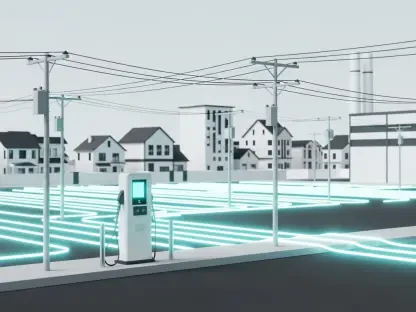
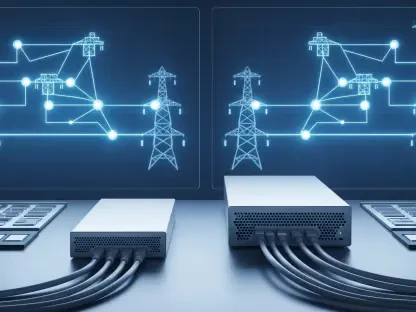
Virtual power plants offer a solution by fundamentally rethinking the concept of a power station. Instead of a single, centralized facility, a VPP is a network of smaller, decentralized energy resources, such as residential solar panels, electric vehicle chargers, and smart home appliances. These individual resources are coordinated through sophisticated software, allowing them to collectively act as a single, dispatchable power plant that can provide energy to the grid when it is needed most.
This digital aggregation allows the grid to become more flexible and responsive. During periods of high demand, a VPP can instantly draw on stored energy from thousands of batteries or slightly reduce consumption from connected devices, alleviating stress on the main grid without firing up an expensive and often less efficient “peaker” plant. By leveraging assets that are already in place, VPPs can increase the grid’s capacity and reliability at a fraction of the cost of building new transmission lines or power stations.
The State’s Official Directive to Utilities
Recognizing this potential, the New Jersey BPU has formally directed the state’s four major electric utilities to explore the implementation of VPPs. Through a Request for Information (RFI), Atlantic City Electric, Jersey Central Power & Light, Public Service Electric & Gas, and Rockland Electric Co. are now tasked with outlining a path toward grid modernization. This move translates high-level policy goals into concrete actions required from the entities that manage the state’s energy delivery.
The directive, stemming from executive orders signed by Governor Sherrill, is highly specific. It asks the utilities to identify the most significant regulatory hurdles slowing down the interconnection of new energy sources and to propose improvements to hosting capacity maps, which are essential tools for developers seeking to connect new projects. Furthermore, the utilities must pinpoint at least two of their most congested circuits where advanced technologies like smart inverters could be deployed to immediately increase the grid’s ability to host more DERs.
Key Steps in New Jersey’s Grid Transformation
The development of VPPs is a cornerstone of the Sherrill administration’s long-term vision for a modern, affordable, and clean energy system. However, this initiative is part of a broader, two-pronged strategy that also addresses the immediate financial burdens on residents. While the RFI focuses on the technological future of the grid, a separate executive order has pushed for more immediate relief, including the issuance of universal bill credits to residential customers.
This dual approach ensures that while the complex work of grid modernization gets underway, residents are not left to bear the full weight of current market pressures. The BPU has been instructed to review any pending requests for utility rate increases, with the possibility of pausing or modifying them to prevent further financial strain. This comprehensive strategy acknowledges that a successful energy transition must balance long-term innovation with present-day affordability.
The directive issued by the BPU marked a significant turning point in New Jersey’s approach to energy management. The focus has now shifted from identifying problems to implementing tangible, technology-driven solutions. The success of this initiative will depend on the collaborative efforts of utilities, regulators, and technology providers to overcome existing regulatory and technical barriers. Ultimately, this journey toward a smarter grid promised not just to stabilize energy bills but to build a more resilient and sustainable energy future for the entire state.