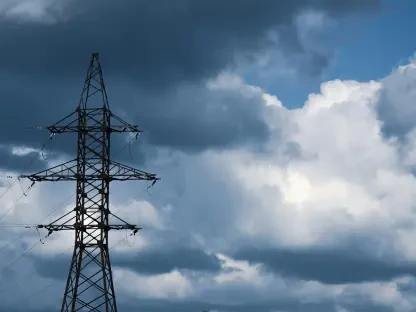
The modern electrical infrastructure is currently undergoing a radical metamorphosis as the focus of innovation shifts from massive high-voltage transmission lines to the vulnerable “last mile” of local power delivery. As decentralized energy technologies like electric vehicles and residential solar arrays proliferate at a staggering pace, the once-predictable distribution network is facing unprecedented levels of physical stress and operational unpredictability. This transition explores the rise of distribution grid visibility, examining how real-time monitoring and advanced data analytics are turning historical blind spots into strategic assets for utility providers who must now manage a bidirectional flow of energy.
The Evolution of the Last Mile
Data-Driven Growth and Market Adoption Statistics
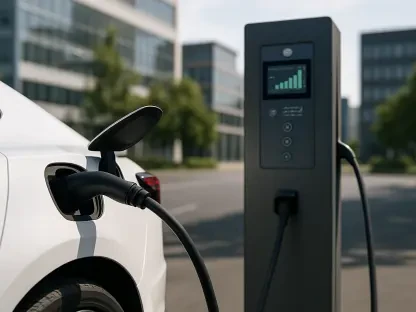
Recent industry shifts indicate a decisive move away from “worst-case scenario” planning toward precise, real-time asset management that prioritizes granular data over general assumptions. While utilities historically focused their automation efforts on massive substations, the rapid adoption of Distributed Energy Resources (DERs) has created a critical, immediate need for low-voltage monitoring at the neighborhood level. Reports suggest that the lack of visibility into residential upgrades—such as unannounced EV charger installations—is a leading cause of localized grid instability and unexpected fuse operations.
Furthermore, with global supply chain constraints increasing the lead times and costs of heavy hardware, utilities are increasingly adopting sensor technologies to extend the operational lifespan of existing transformers. These vital components are now facing thermal stressors and harmonic distortions that can reduce their operational life by up to 30 years if left unmonitored. By deploying digital overlays, providers can identify overheating units before they fail, shifting the industry standard from reactive replacement to proactive preservation of the existing capital stock.
Real-World Applications and Technological Implementation
Current industry leaders are deploying a hybrid approach that effectively combines field-deployed hardware with cloud-based analytics to bypass traditional infrastructure hurdles. For instance, companies like Edge Zero and Wesco are providing low-voltage sensors that install directly onto distribution transformers to capture high-fidelity data on loading and voltage. These systems often utilize cellular or LoRaWAN networks to transmit data, allowing utilities to gain immediate operational insights without waiting for a total overhaul of legacy billing systems or Advanced Metering Infrastructure (AMI).
Real-world applications show that this technology acts as a strategic “shortcut” for utilities struggling with the sudden influx of solar energy. By providing the engineering data necessary to manage bidirectional power flows, these sensors allow operators to see exactly how much power is being pushed back into the grid from residential rooftops. This level of clarity prevents the “duck curve” from destabilizing local circuits, ensuring that voltage remains within safe limits for all customers connected to the same transformer, regardless of their own energy production.
Perspectives from Industry Experts and Thought Leaders
Industry experts emphasize that the transition to a decarbonized economy is entirely dependent on the physical stability of the distribution network. Thought leaders argue that the “invisible” nature of modern energy consumption—where customers add significant loads like heat pumps without utility notification—makes granular visibility a financial necessity rather than a luxury. Experts also point out that while AMI provides valuable customer data, it is often siloed in administrative departments, making it nearly useless for the engineers who need to make split-second decisions during peak demand periods.
The consensus among grid strategists is that operators need a direct line to the physical health of the grid to maintain safety and reliability. This proactive posture is seen as the only credible way to justify capital expenditures to regulators, providing a data-driven narrative for rate increases and infrastructure modernization. By showing exactly where the grid is strained, utilities can prove the need for specific investments, moving away from broad, generalized requests that often face pushback from consumer advocates and government oversight bodies.
Future Projections and Industry Implications
Anticipated Developments in Grid Resilience
The future of grid management lies in a permanent shift from reactive maintenance to predictive intelligence powered by machine learning. As visibility platforms become more sophisticated, utilities will likely move toward “non-wires alternatives,” using localized battery storage and managed charging programs to mitigate peaks instead of replacing perfectly functional physical transformers. This evolution will allow for “right-sizing” the grid, ensuring that expensive physical upgrades are only made where documented data proves an absolute necessity for safety or capacity.
Predictive algorithms will soon be able to forecast equipment failure weeks in advance by analyzing subtle changes in harmonic patterns. This capability will transform the utility workforce, moving crews away from emergency midnight repairs toward scheduled, daytime maintenance. Such a transition not only improves the quality of life for utility workers but also significantly lowers the operational costs associated with emergency response and unplanned outages, ultimately stabilizing rates for the end consumer.
Broader Challenges and Long-Term Outcomes
While the benefits of visibility are clear, significant challenges remain regarding data integration and the sluggish pace of regulatory change. In the long term, the primary implication is a more resilient and efficient network capable of supporting total electrification without a catastrophic price tag for the public. However, failure to adopt these visibility tools could lead to frequent equipment failures and prolonged outages as the legacy grid nears its physical capacity under the weight of new technology.
The successful integration of these monitoring systems will determine whether the “last mile” remains a stable bridge to the consumer or becomes a bottleneck in the global energy transition. As the digital and physical worlds continue to merge, the ability to interpret the heartbeat of the distribution grid will be the defining characteristic of a successful utility. Those who embrace this transparency will thrive in the new energy economy, while those who remain in the dark will face mounting costs and diminishing reliability.
Summary: The Strategic Imperative of Visibility
The industry recognized that distribution grid visibility was no longer an optional luxury but the foundational cornerstone of grid security. By illuminating the transformer level, providers significantly reduced unnecessary “truck rolls” and pinpointed outages with surgical precision, moving far beyond the limitations of older technology. This strategic shift empowered grid operators to manage the complexity of modern electrification with high-resolution data, ensuring that the transition to a greener economy did not come at the cost of basic reliability. Looking forward, the focus must shift toward standardizing data protocols across different sensor manufacturers to ensure seamless interoperability. Utilities should prioritize the training of a new generation of data-literate engineers who can translate sensor insights into immediate operational improvements. Furthermore, fostering closer collaboration with regulators will be essential to ensure that investments in digital visibility are recognized as vital components of the public interest. Ultimately, the move toward a transparent, monitored distribution network secured the longevity of existing assets while paving a clear path for the total electrification of society.