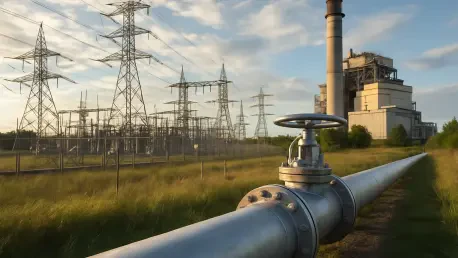

The stability of the American power grid is increasingly at risk, not from a lack of generation capacity, but from a fragile and often uncoordinated interdependence with its primary fuel source: natural gas. A string of catastrophic blackouts during extreme weather has exposed a critical vulnerability in this relationship, sparking an urgent, industry-wide trend toward synchronizing the gas and electric sectors. This analysis will dissect the findings of a pivotal new report, explore the data driving the call for change, and outline the future of a more integrated and reliable national energy system.
The Growing Imperative for Gas-Electric Harmonization
Evidence from Recent Grid Failures
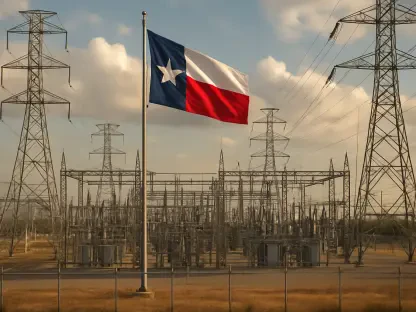
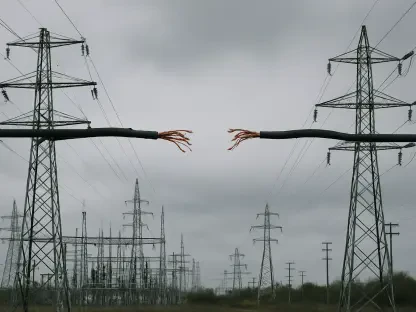
The most compelling evidence for this trend emerged from the devastating feedback loop witnessed during Winter Storm Uri in 2021. In Texas, emergency power cuts designed to stabilize the electric grid inadvertently shut down natural gas production and transportation facilities. This action starved gas-fired power plants of the very fuel needed to generate electricity, dramatically worsening the blackouts and contributing to the deaths of nearly 250 people. This event served as a tragic and undeniable catalyst, shifting the industry’s focus from separate operational concerns to a unified reliability strategy.
This was not an isolated incident. The systemic nature of the problem was reinforced during Winter Storm Elliott in 2022. According to the North American Electric Reliability Corp. (NERC), the storm triggered a staggering 90,500 MW in unplanned generator outages. Critically, 20% of these failures were directly linked to natural gas fuel supply issues. These repeated failures have made it abundantly clear that the reliability of the electric grid is now inextricably linked to the resilience and moment-to-moment availability of the natural gas system, especially during periods of extreme weather and peak demand.
The NARUC GEAR Task Force Report
In response to this escalating crisis, the National Association of Regulatory Utility Commissioners (NARUC) established the Gas-Electric Alignment for Reliability (GEAR) task force in 2023. Its mission was to formally bridge the operational and planning gaps between the two industries to bolster grid reliability. The task force brought together a diverse group of stakeholders to address the vulnerabilities exposed by the symbiotic yet often misaligned relationship between gas suppliers and power generators.
The group’s final report delivered a powerful and unambiguous conclusion: strategic investment in new natural gas pipeline infrastructure and the expansion of gas storage capabilities are essential for ensuring a reliable and affordable electricity supply. The report emphasizes that achieving “harmonization between the electric and natural gas sectors” is a critical national priority, a need that transcends regional energy policies and long-term debates about the future fuel mix.
A Roadmap for Reliability: Expert Recommendations and Industry Consensus
The Task Forces Nine Key Proposals
At the heart of the GEAR task force’s roadmap is a central recommendation to strategically develop new natural gas pipelines and expand storage opportunities. Rather than a blanket call for construction, the report advocates for a measured approach that empowers end-users, like power plants, to have greater control over their fuel supply needs during critical periods. This focus on infrastructure is designed to build a more resilient buffer against the supply chain disruptions seen in recent winters.
Supporting this core proposal are several others aimed at enhancing coordination and improving market functions. Key proposals include creating a natural gas “readiness forum” to improve communication and preparedness ahead of extreme weather events. The task force also recommended implementing new market tools to bolster supplier performance, promoting demand response initiatives for gas utilities, and adjusting market rules to better incentivize the release of unused pipeline capacity to those who need it most.
Industry Endorsement and Expert Perspectives
The report’s conclusions received a strong endorsement from the Reliability Alliance, a coalition that includes the Electric Power Supply Association (EPSA) and other key industry groups. The alliance framed the issue not as an operational failure but as an economic one, stating, “The biggest challenge affecting interoperability across the systems is not operational; it is economic.” This perspective suggests that the right market signals and financial incentives are the most effective tools for ensuring fuel availability.
This view provides state regulators with a clear direction for policy implementation. Dwight Keen, a regulator with the Kansas Corporation Commission and vice chair of the GEAR working group, described the report as an “ideal starting point for state regulators to ponder future steps to enhance reliability.” His comments signal a pivotal shift, as the focus now moves from federal-level analysis to the complex and varied work of translating these recommendations into tangible regulatory actions across the country.
The Path Forward: Navigating Complexities and Future Challenges
Rejected Proposals and Lingering Debates
Just as important as what the report recommended is what it chose to leave out, reflecting the deep complexities of the issue. A significant proposal to create a national Gas Reliability Organization (GRO), which would have been a gas-sector equivalent to the electric sector’s NERC, failed to gain majority support. Most members concluded that such an organization was unnecessary and that existing structures could be enhanced to achieve reliability goals more efficiently.
Similarly, the task force opted not to advance proposals to align the “gas day” and “electric day” market schedules, a long-standing point of discussion. While acknowledging the system’s design was not ideal, the group found no definitive evidence that these scheduling misalignments were a direct cause of major outages. It also decided against pursuing changes to “act of God” clauses in contracts, concluding that other recommendations aimed at promoting winterization and supply performance would be more effective.
Future Outlook and Broader Implications
The ongoing debate highlighted by industry leaders—whether to prioritize economic incentives or operational mandates—will shape the implementation of these recommendations. The industry consensus leans toward market-based solutions that reward performance, but regulators may still feel pressure to impose stricter operational rules, particularly in regions that have experienced catastrophic failures. This tension will define the regulatory landscape for years to come.
Ultimately, the future of gas-electric reliability will be determined at the state level. The GEAR report provides a federal-level roadmap, but its translation into policy will vary significantly based on regional energy markets, political climates, and existing infrastructure. The coming years will be a critical period of policy development and regulatory action as states work to forge a more secure and resilient energy future tailored to their unique circumstances.
Conclusion: Forging a More Resilient Energy Future
The trend analysis revealed that the repeated, catastrophic failures of the power grid during extreme weather were not isolated events but symptoms of a systemic vulnerability. The fragile interdependence between the natural gas and electricity sectors, long an operational footnote, became a central threat to national energy security. This realization drove an industry-wide consensus that fundamental changes were necessary.
The discussion underscored the immense stakes involved. The stark lessons from Winter Storms Uri and Elliott demonstrated that grid reliability was not merely an economic or technical issue but a matter of public safety and national security. The devastating human cost of these failures created an undeniable imperative for regulators and industry leaders to act decisively to prevent a recurrence.
Ultimately, the path forward was illuminated by the GEAR task force’s consensus-driven roadmap. Its focus on strategic infrastructure investment, enhanced coordination, and improved market incentives offered a pragmatic blueprint for action. The adoption of these recommendations by state regulators and industry stakeholders represented a critical step toward building a more robust, integrated, and reliable energy system capable of withstanding the challenges of an increasingly volatile climate.