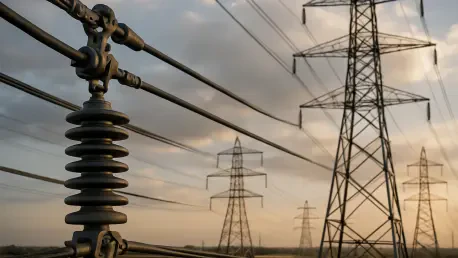

The sheer irony of the modern age is that the world’s most sophisticated artificial intelligence algorithms are currently being processed on an electrical backbone that largely predates the invention of the personal computer. While the digital revolution has moved at light speed, the physical infrastructure supporting it has remained tethered to the mid-20th century, creating a mismatch that now threatens to stall the next industrial epoch. This divergence has transformed the power grid from a boring utility into a critical flashpoint of national security. As the demand for electricity reaches unprecedented levels, the United States is forced to confront a reality where its reliance on foreign-made components is no longer a sustainable economic choice, but a strategic liability.
The Modern Imperative: Why Infrastructure Is National Security
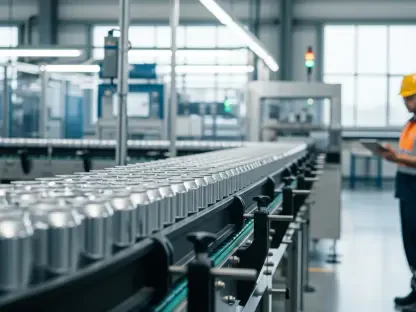
The intersection of a decaying physical grid and a massive surge in energy consumption has elevated reshoring to a top-tier policy priority. For decades, the strategy was to outsource the heavy lifting of manufacturing transformers and transmission equipment to lower-cost international markets. However, the current era of “power poverty” has exposed the dangers of this approach. Without a domestic supply chain capable of producing high-voltage hardware, the nation risks losing its competitive edge in the global race for technological supremacy. Security experts now argue that a sovereign grid is the only way to ensure that the digital economy remains insulated from geopolitical shocks and supply chain blackmail.
A strategic roadmap for the coming years reveals a pivot away from fragmented assembly and toward true domestic manufacturing autonomy. This shift involves not only building factories but also securing the raw materials and the specialized labor force required to sustain them. By addressing the current vulnerabilities in the energy sector, the United States aims to close the competitive gap with rivals who have invested more aggressively in their own power sectors. The goal is clear: to move from a state of dependency to a self-sufficient ecosystem where the power to innovate is matched by the power to keep the lights on.
The State of the Grid: Decay and the Demand Surge
Statistical Reality: The Crisis of Domestic Infrastructure Obsolescence
The numbers tell a story of a system pushed to its absolute limit, with approximately 70% of transmission lines and power transformers currently being over 25 years old. This aging fleet of assets was never intended to manage the complex, bidirectional energy flows required by today’s renewable integrations and massive industrial loads. As these components reach the end of their operational lifespan, the frequency of localized failures and maintenance-related blackouts has begun to climb. The lack of a domestic manufacturing buffer means that when a critical transformer fails, there is often no immediate replacement available within the country.
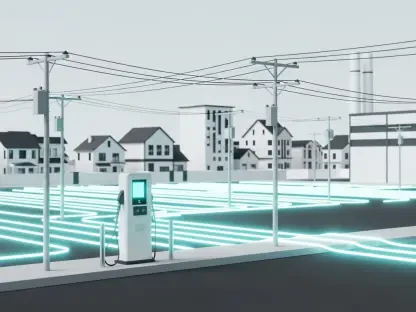
Furthermore, the projected tripling of energy demand from data centers by 2030 is putting an incredible strain on these antiquated systems. Large-scale computing facilities now require power loads that dwarf entire cities, yet the lead times for the high-voltage transformers needed to connect them to the grid have ballooned to over two years. This delay is not merely an inconvenience; it is a structural barrier to growth. The industrial sector finds itself in a precarious position, waiting on a global supply chain that is increasingly congested and politically volatile to deliver the fundamental building blocks of energy distribution.
Real-World Impacts: From AI Bottlenecks to Supply Shocks
The consequences of grid neglect are already manifesting in the corporate sector, where major tech firms like Microsoft have encountered significant hurdles in deploying new hardware. These organizations are facing a phenomenon known as “power poverty,” where the availability of advanced GPUs is rendered irrelevant by a lack of grid capacity to actually run them. When the digital frontier is limited by the physical capacity of a copper wire or a ceramic insulator, the pace of innovation slows to a crawl. Consequently, many tech leaders are looking beyond the centralized grid, exploring private energy solutions to bypass the bottlenecks of public infrastructure.
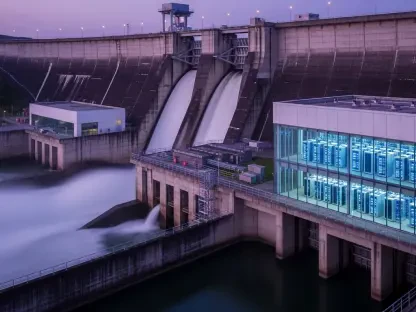
In response to these centralized failures, the Department of Energy has increasingly encouraged the development of self-generating data centers. This trend suggests a move toward a more fractured energy landscape where those who can afford it build their own mini-grids, while the public system continues to struggle. This “borrowed time” scenario creates a dual-track economy where systemic neglect leads to manufacturing delays for those still reliant on the traditional utility model. The resulting supply shocks are felt across the economy, as the inability to scale power translates directly into an inability to scale production and services.
Perspectives from Industry Leaders and Strategic Experts
Industry veterans like Jim Welsh of Peak Nano have emphasized that the nation must transition from a “digital-only” focus to a “physical-first” infrastructure strategy. The consensus among these experts is that the glamour of software development has historically overshadowed the necessity of materials science and power electronics. For too long, the intellectual capital of the country was funneled into apps and platforms, while the foundational engineering required to build high-performance capacitors and transformers was allowed to atrophy. This imbalance has left a hollowed-out industrial base that now needs to be rebuilt from the ground up.
Addressing this “talent gap” is perhaps the most difficult aspect of the reshoring mission. Reinvesting in domestic power electronics requires a generation of engineers who understand the complexities of high-voltage systems and advanced polymers. Currently, the competitive gap is glaring, as investment in the energy sectors of rival nations like China outpaces the combined efforts of the U.S. and the European Union. Strategic experts warn that this investment disparity is not just about today’s energy prices, but about who will control the industrial standards and technological breakthroughs of the next half-century.
The Future of Reshoring: Building a Resilient Ecosystem
From Fragmented Assembly to Full Value-Chain Autonomy
The evolution of the American grid depends on moving from “American-assembled” products to “American-sourced” materials. This means establishing domestic production for specialized grain-oriented electrical steel and next-generation insulating polymers that are currently imported. A truly resilient ecosystem follows a five-pillar framework: securing upstream raw materials, expanding manufacturing capacity, developing human capital, fostering collaborative R&D, and ensuring a steady supply of base materials. Only by controlling the entire value chain can the industry insulate itself from the whims of international trade disputes and shipping disruptions.
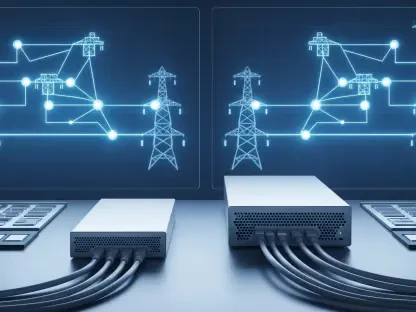
Looking forward, the integration of AI-driven predictive analytics will allow for the management of smarter, localized grids. Factories are becoming “power-flexible,” meaning they can adjust their consumption in real-time based on grid health and availability. This transition toward decentralized, intelligent infrastructure represents a fundamental shift in how power is perceived—not as a static resource, but as a dynamic asset. As these smarter systems come online, they will require a new breed of hardware that is designed, tested, and manufactured within domestic borders to ensure maximum reliability and cyber-integrity.
Long-Term Implications: Global Leadership and Economic Security
The successful reshoring of the grid will likely yield significant positive outcomes, including newfound energy independence and the creation of thousands of high-skilled manufacturing jobs. However, the transition is not without its risks, as the initial capital expenditures required to rebuild the domestic industrial base could exert inflationary pressure on energy costs. Geopolitical friction may also increase as the U.S. reduces its reliance on established global suppliers. Despite these challenges, the consensus remains that a robust, reshored grid is the essential foundation for maintaining technological supremacy in an increasingly fractured global landscape.
Securing the Power to Innovate
The vulnerability of the current system is laid bare by an 85% dependency on foreign-sourced high-voltage transformers and a distribution network that is effectively operating on borrowed time. This analysis has shown that the grid is no longer a passive background utility but a strategic asset that demands a coordinated, public-private effort to reshore. Moving forward, policymakers and industrial leaders must treat physical infrastructure as the primary driver of digital progress, ensuring that the next generation of American innovation is supported by a domestic energy backbone. The focus should shift toward creating permanent incentives for material science breakthroughs and domestic mineral processing to eliminate the remaining chokepoints in the supply chain. By prioritizing the physical realities of power generation and distribution, the United States positioned itself to lead a new era of industrial resilience that values the hardware just as much as the software it powers.