
The chaotic aftermath of Winter Storm Fern has finally forced a long-overdue national conversation regarding the profound fragility of the American energy landscape. When the storm paralyzed the grid in early 2026, it revealed a systemic failure where regions with surplus power were physically unable to transmit electricity to those in desperate need. This catastrophic event served as a wake-up call, exposing a national infrastructure that is increasingly congested and ill-equipped for the demands of the 21st century. As the United States grapples with a surge in energy consumption driven by Artificial Intelligence and massive data centers, the push to modernize transmission infrastructure has moved from a technical necessity to a matter of national security and economic survival.
The Growing Crisis: Capacity Gaps and Economic Impact
Market DatThe Rising Cost of Inaction
Recent statistics reveal a widening gap between US transmission development and global competitors. While nations like China have installed tens of thousands of miles of high-capacity lines over the last two decades, the US added only a few hundred miles of interregional circuits between 2011 and 2025. This stagnation has tangible financial consequences; transmission congestion costs reached a staggering $12.1 billion in 2024. Market data suggests that even modest improvements in interregional transfer capacity could yield massive returns. Experts noted that just 1 GW of additional capacity could have saved consumers $183 million during the single extreme weather event that occurred earlier this year.
The financial burden of an outdated grid is not evenly distributed, often falling most heavily on the shoulders of residential ratepayers. In some jurisdictions, electricity bills have risen by double digits due to these structural bottlenecks. This suggests that the current investment model, which favors localized, small-scale upgrades over massive interregional projects, is no longer sustainable. Without a fundamental shift in how the nation prioritizes long-distance power movement, the economic disparity between energy-rich and energy-poor regions will continue to widen, stifling national growth.
Real-World Consequences: Industrial Bottlenecks
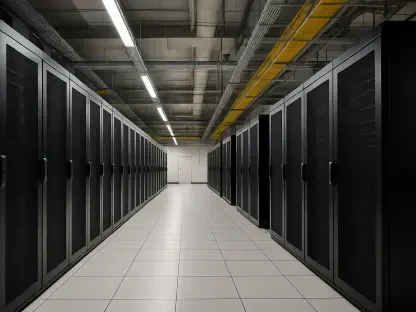
The strain on the grid is no longer a theoretical concern for utilities; it is a primary barrier to industrial growth. The Federal Energy Regulatory Commission reports that US data center capacity has maintained a 24% compound annual growth rate since 2020, with demand projected to reach 106 GW by 2035. Companies looking to deploy advanced AI clusters are finding that “speed to power”—the ability to connect to the grid quickly—is their greatest challenge. Currently, many tech firms are facing wait times of several years just to secure the necessary voltage to run their hardware.
Case studies from recent winter storms demonstrate that without better connectivity, the US faces a “stranded energy” problem where power is available but cannot be moved. This leads to negative pricing in some regions, effectively wasting energy, while neighbors face extreme volatility and blackouts. This paradox of energy abundance and scarcity existing simultaneously highlights the inefficiency of the current fragmented system. For industrial leaders, this lack of reliability is becoming a deciding factor in where they choose to build the next generation of digital infrastructure.
Expert Perspectives: Modernization Strategies
Industry Insights: Technical and Market Solutions
Energy experts and thought leaders are increasingly advocating for a “two-pronged” strategy that involves optimizing existing assets while building high-capacity long-haul lines. Industry leaders emphasize that the traditional model of building large-scale power plants must be complemented by more flexible, distributed solutions. Todd Snitchler of the Electric Power Supply Association suggests that market structures must evolve, allowing large-scale consumers like tech giants to enter bilateral partnerships for their own generation. This shift would protect residential ratepayers from the financial risks of massive new infrastructure projects.
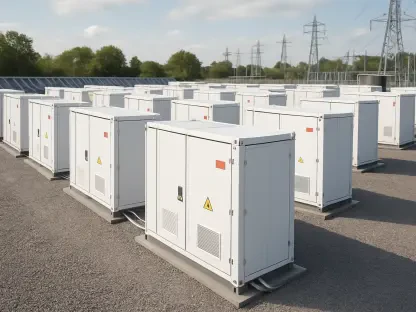
Furthermore, the integration of diverse energy sources requires a more sophisticated balancing act than the grid was originally designed to handle. Analysts point out that as more intermittent renewables enter the mix, the need for robust storage and fast-acting transmission becomes paramount. Market mechanisms need to better incentivize the reliability services provided by modern technologies. By creating a more competitive environment for grid services, the US can foster an ecosystem where innovation in energy delivery is as profitable as innovation in energy production.
Overcoming Obstacles: Regulatory and Political Deadlocks
The path to a modern grid is frequently blocked by what experts call a “permitting quagmire.” While policymakers generally agree on the need for resilience, there is significant friction regarding the execution. Some advocates push for “Consumer Regulated Electricity,” which would allow off-grid utilities to serve specific customers to bypass federal regulations. However, many experts warn that “silver bullet” solutions like Virtual Power Plants are not enough on their own to stabilize the national system.
The consensus among grid operators is that narrow but clear federal authority is required to override local permitting delays and establish the 35 GW of additional transfer capacity recommended by the North American Electric Reliability Corporation. Political tensions often flare over which energy sources should be prioritized, yet the underlying reality remains that no source is effective if its output cannot reach the consumer. Bridging the gap between state-level interests and national reliability needs is perhaps the most difficult hurdle currently facing energy regulators.
The Future: Innovation and Evolution
Technological Evolution: GETs and HVDC
The future of the US power grid lies in “smart” infrastructure. Grid Enhancing Technologies (GETs), such as dynamic line ratings and advanced power flow controls, are expected to become standard. These technologies can unlock up to 100 GW of capacity during peak periods at a fraction of the cost of new construction. By using sensors to monitor real-time conditions like wind and temperature, operators can safely push more electricity through existing wires than ever before. This digital layer effectively “upcycles” current hardware for the modern age.
Furthermore, High-Voltage Direct Current (HVDC) lines will likely serve as the “interstate highway system” for electricity, moving power across vast distances with minimal loss. These lines are far more efficient than the alternating current lines used for most of the 20th century. As these technologies mature, they will allow for a more dynamic and responsive energy market that can balance intermittent renewable sources with steady industrial demand. The transition to a smarter, more interconnected grid is the only way to ensure that energy surplus in one state can reliably heat homes in another.
Implications: National Security and the Digital Economy
Failure to modernize the grid carries risks beyond high utility bills. As the US competes in the global AI race, energy availability will dictate which nations lead in technological innovation. A resilient grid is also a requirement for national security, protecting against both physical climate threats and cyber-attacks. In the coming decade, we expect to see a shift toward more decentralized power structures, where Virtual Power Plants and distributed energy resources play a larger role in stabilization.
However, the backbone of the system will remain high-voltage interregional connectivity. Security experts argue that a diversified and interconnected grid is much harder to disable than a centralized one. By spreading the risk and the load across a wider geographic area, the US creates a system that is inherently more robust. This evolution isn’t just about electricity; it’s about building a platform that supports the entire weight of a digital society, from cloud computing to the electrification of transport.
Summary: The Path Forward
The analysis of current trends indicated that the US power grid reached a critical turning point where the cost of maintenance was surpassed by the cost of failure. Stakeholders recognized that integrating Grid Enhancing Technologies and reforming outdated permitting processes were the only viable paths toward a 21st-century asset. Decisive federal action and strategic private investment emerged as the primary drivers to ensure a stable and affordable energy future for all. Moving forward, the focus shifted toward establishing a “common carrier” mentality for the grid, ensuring that energy access remains a competitive advantage for the American economy.
To maintain this momentum, the industry began prioritizing the rapid deployment of standardized HVDC hardware and the expansion of interregional transfer quotas. Legislative efforts focused on streamlining the environmental review process for projects of national significance, reducing the time from proposal to groundbreaking. By embracing a more integrated approach, the nation moved to insulate itself from the volatility of extreme weather while fueling the next wave of industrial expansion. The transformation was ultimately viewed as a necessary investment in the nation’s economic future and collective security, rather than a mere technical upgrade.