
The sudden realization that a single artificial intelligence query consumes ten times more electricity than a standard internet search has sent shockwaves through the American utility sector. This week at the White House, a transformative summit concluded with a historic “ratepayer protection” pledge, signaling a major shift in how the digital economy interacts with the physical world. President Donald Trump, alongside leaders from Microsoft, Amazon, Google, and OpenAI, established a framework designed to ensure that the massive energy requirements of AI development do not translate into higher monthly bills for the average citizen. This intervention marks a defining moment where the federal government and Silicon Valley attempt to align the rapid pace of innovation with the economic stability of Main Street.
The agreement serves as a proactive measure against a brewing national crisis where the demand for data centers threatens to overwhelm the aging power grid. For years, the expansion of high-tech infrastructure was viewed as a distant concern for residential consumers, but recent spikes in utility inflation have changed that perception. By securing these commitments, the administration aims to decouple the energy-intensive nature of AI from the domestic cost of living. This strategy leverages corporate responsibility as a shield, ensuring that the burden of grid modernization is borne by the billion-dollar entities driving the demand rather than by families already struggling with inflationary pressures.
Bridging the Divide Between Silicon Valley Ambition and Main Street Utilities
The 2026 White House summit represents a landmark intervention in the intersection of technological growth and domestic economic stability. It was not merely a ceremonial gathering but a strategic negotiation to prevent a scenario where technological progress comes at the expense of the American worker. The administration’s focus remains clear: the expansion of the digital frontier must not cannibalize the resources of the physical one. By bringing tech executives to the table, the government has forced a public acknowledgement that the current trajectory of energy consumption is unsustainable without radical changes in corporate behavior.
This strategy hinges on the urgent need to decouple energy-intensive expansion from the monthly expenses of American families. In the past, industrial growth often led to shared costs across the entire ratepayer base, but the scale of AI is unprecedented. The administration is now leveraging the massive capital of the tech sector to safeguard the national power grid against demand that could otherwise cause widespread instability. By positioning the tech giants as the primary financiers of their own growth, the federal government is attempting to foster an environment where innovation and affordability are no longer at odds.
Structural Commitments: How Tech Giants Plan to Subsidize the National Grid
Shifting the Financial Burden of Infrastructure from Households to Corporations
The “ratepayer protection” mechanism is the cornerstone of this new agreement, requiring companies like Microsoft and Amazon to assume the capital expenditures for grid modernization. This involves a fundamental shift in how infrastructure is funded, moving away from the traditional model where utilities pass costs onto the public. By taking on the financial responsibility for high-voltage lines and substations, these corporations are essentially paying a premium for the privilege of operating at such a high scale. This ensures that the modernization of the American grid is accelerated by private investment rather than public taxation or rate hikes.
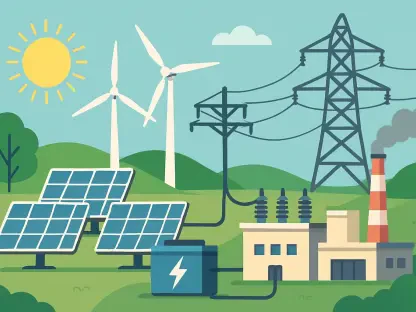
Furthermore, the commitment to independent power generation is a vital component of this financial shift. By encouraging tech firms to build their own dedicated power sources, the administration reduces the strain on public utilities, preventing industrial demand from inflating residential rates. However, this transition is not without its hurdles. In several states, data center sprawl has triggered significant political backlash as local communities worry about the long-term impact on their resources. The success of this corporate subsidy model will depend on whether these companies can overcome localized resistance and prove that their presence is a net benefit to the regional economy.
Transforming Tech Facilities into Proactive Energy Contributors
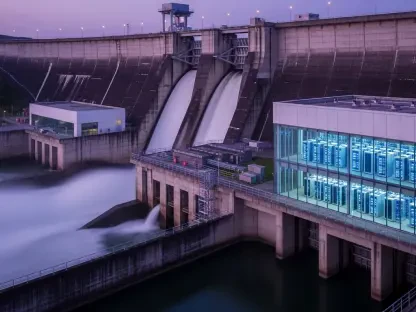
A particularly innovative provision in the pledge allows data centers to act as supplementary power plants by selling surplus electricity back to the public grid. This transforms these facilities from passive consumers into proactive energy contributors, potentially lowering costs for everyone during peak demand periods. This bidirectional flow of energy represents a sophisticated evolution of the power market, where the excess capacity generated by a tech giant’s private solar or nuclear array can heat homes during a winter storm. It creates a more resilient, decentralized grid that benefits from the deep pockets of the tech industry.
The economic impact of this model is further strengthened by the requirement for localized hiring and isolated rate structures. By ensuring that the construction of energy-independent facilities employs local labor, the administration is tying the success of AI to regional economic growth. Isolated rate structures are equally important, as they prevent the high-density energy needs of a data center from being averaged into the rates of nearby residents. While these “energy-only” solutions are promising, critics remain concerned about secondary environmental strains. The massive water consumption required for cooling these facilities remains a point of contention that may require further technological breakthroughs to resolve.
Navigating the Crisis of Tripling Electricity Demand by 2035
Current projections from the Labor Department paint a stark picture of the challenges ahead, showing that utility inflation is already a pressing concern. With AI processing expected to require a 300% increase in power capacity by 2035, the status quo is no longer an option. The administration has responded with a pivot toward traditional energy sources, including a revitalization of coal, to ensure that the supply can keep up with this exponential growth. This move is intended as a counter-measure to the recent decline in power generation spending, providing a reliable baseline of energy that renewable sources cannot yet guarantee for 24/7 data center operations.
This federal push for fossil-fuel reliance creates a sharp contrast with the ongoing debate over the role of renewable energy. While many tech companies have their own internal green energy targets, the sheer density of computing needs often necessitates a more diversified energy portfolio. The administration’s approach prioritizes reliability and cost-effectiveness above all else, arguing that a shortage of power would be a greater threat to the national interest than the temporary continued use of traditional fuels. This tension between environmental goals and industrial necessity is a central theme of the current energy landscape.
The Geopolitical Necessity of Maintaining an Affordable AI Infrastructure
From a geopolitical perspective, the U.S. strategy of corporate self-sufficiency is designed to provide a sustainable military and economic edge. By ensuring that AI infrastructure remains affordable and scalable, the United States can maintain its lead over global competitors who may be struggling with their own energy crises. Protecting “the household bill” is not just about domestic politics; it is a strategic move to maintain public support for high-tech innovation. Without the backing of the American people, the massive investments required for AI leadership could face significant legislative and social roadblocks.
However, the assumption that voluntary pledges can substitute for federal regulation remains a subject of intense debate. Since utility regulation happens largely at the state level, the lack of statutory enforcement could lead to inconsistent results across the country. Some analysts argue that without a federal law to back up these promises, some corporations might find loopholes once the initial public attention fades. The challenge for the administration will be to turn these high-level agreements into a lasting framework that states can adopt and enforce to protect their citizens.
Strategic Implementation: Turning Corporate Promises into Tangible Household Savings
To fulfill the requirements of the pledge, the tech industry must undergo a fundamental transformation into a collection of “self-generating” entities. This involves not only building power plants but also investing in advanced battery storage and small modular reactors to ensure they are not a drain on the public. For state regulators, the recommendation is to move toward performance-based regulation that rewards utilities for integrating these private power sources efficiently. By creating a clear path for corporate energy investment, local governments can ensure that the arrival of a data center results in infrastructure upgrades that benefit the entire community.
Businesses can also mitigate public opposition by adopting “ratepayer-first” models that prioritize transparency and community involvement. When a company demonstrates a clear commitment to independent energy and local hiring, it fosters a sense of partnership rather than exploitation. This collaborative approach is essential for the long-term viability of the AI industry, as it builds the social capital necessary to sustain massive physical expansions. Those firms that lead the way in energy innovation will likely find themselves in a stronger position to navigate the complex regulatory environments of the future.
Evaluating the Long-Term Viability of the Ratepayer Protection Model
The significance of aligning the interests of the American working class with the rapid evolution of the digital economy cannot be overstated. By addressing the potential for AI to disrupt national infrastructure, the administration has created a blueprint that could be applied to other emerging industries. This model suggests that the price of technological leadership should not be paid by the average consumer, but by the innovators who stand to profit the most. The potential for this pledge to serve as a standard for future industrial expansions provides a path forward in an era where technology moves faster than traditional policy.
Ultimately, the success of this initiative depended on whether corporate-led energy investment could truly bridge the gap between futuristic ambition and affordable domestic living. The transition from a centralized grid to a more complex, privately subsidized network required a level of cooperation between the public and private sectors that had rarely been seen. While the pledge offered a strong starting point, the focus moved toward the technical and legal challenges of implementation. The narrative of 2026 became one of a nation attempting to fuel its digital future without burning through the financial security of its citizens, setting the stage for a new era of industrial responsibility.