
The sudden and massive surge in demand for computational power has placed an unprecedented strain on the domestic energy grid, forcing a fundamental rethink of how heavy industry and utilities collaborate to maintain reliability. On March 20, 2026, the U.S. Department of Energy took a decisive step toward addressing this challenge by announcing a landmark public-private partnership between the Japanese investment giant SoftBank Group and AEP Ohio. This initiative focuses on the development of 10 GW of new power generation capacity in Southern Ohio, representing one of the most significant infrastructure investments in the region’s history. At the heart of this deal is a staggering 9.2 GW allocation for natural gas assets, positioning the venture as the largest project of its kind globally. By integrating international capital with local utility expertise, the partnership seeks to create a stable energy foundation capable of supporting the modern digital economy. This massive undertaking is not merely a regional upgrade but a cornerstone of the U.S.-Japan Strategic Trade and Investment Agreement, underscoring a deep diplomatic and economic commitment to American energy expansion and technological dominance.
Strategic Redevelopment of Pike County Infrastructure
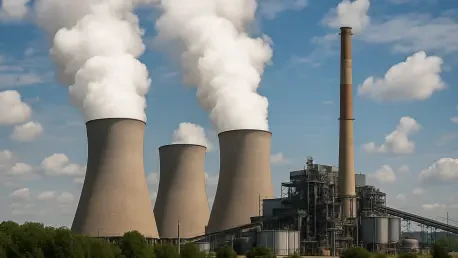
A critical component of this energy expansion is the repurposing of the former uranium enrichment facility in Pike County, Ohio, which provides a unique geographic and industrial foundation for the new project. Historically significant as a site for nuclear material processing, this location is being transformed into a modern energy hub designed to fuel the ongoing artificial intelligence boom and high-performance computing sectors. The transition from legacy nuclear infrastructure to high-capacity natural gas generation illustrates a pragmatic shift in land use, leveraging existing industrial footprints to minimize environmental delays while maximizing output. While the 9.2 GW of gas-fired power forms the bulk of the installation, the remaining 0.8 GW of capacity remains under evaluation by the Department of Energy to determine the most effective supplementary technology. Construction is scheduled to commence within the 2026 calendar year, signaling an aggressive timeline that reflects the urgent need for baseload power to sustain regional economic growth and keep pace with the rapid scaling of data center operations across the Midwest.
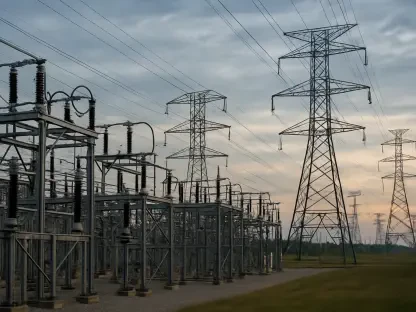
Beyond the physical generation of electricity, the project necessitates a comprehensive overhaul of the local transmission network to ensure that the massive power output reaches its intended destinations without compromising grid integrity. A significant $4.2 billion investment from SB Energy, a subsidiary of SoftBank, alongside AEP Ohio, is dedicated specifically to constructing and upgrading transmission lines throughout Southern Ohio. This financial commitment addresses a persistent bottleneck in American energy policy, where generation often outpaces the capacity of the aging grid to transport electricity efficiently. By modernizing these corridors, the partnership ensures that the energy produced in Pike County can be distributed effectively to high-demand clusters. This proactive approach to grid stability is designed to prevent the localized outages or voltage fluctuations that can occur when massive new loads are introduced to a system. The integration of advanced transmission technology alongside the generation units creates a closed-loop solution that supports both the immediate needs of tech giants and the long-term resilience of the state’s electrical infrastructure.
Financial Protection Through the Ratepayer Pledge
One of the most innovative aspects of this partnership is the implementation of the “Ratepayer Protection Pledge,” a framework designed to insulate local residents from the high costs of industrial energy expansion. Under this voluntary agreement, high-capacity energy users—primarily large-scale data center operators—assume the financial burden for the infrastructure required to meet their specific, massive electricity demands. This ensures that the multibillion-dollar price tag of the project does not result in increased monthly bills for American families or small businesses in the Ohio River Valley. Instead of socialized costs, the model shifts the economic responsibility to the entities driving the demand, creating a more equitable distribution of infrastructure investment. Federal officials have noted that this arrangement is expected to exert downward pressure on local utility rates by making surplus transmission and generation capacity available to the general public. By decoupling industrial growth from residential rate hikes, the project provides a blueprint for how large-scale energy developments can coexist with community interests.
The leadership at AEP, led by Chairman and CEO Bill Fehrman, has emphasized that this collaboration unlocks billions of dollars in development capital that would remain inaccessible under traditional utility funding models. Without the influx of Japanese investment and the specific cost-sharing agreements with tech firms, an expansion of this magnitude would typically require significant regulatory approvals for rate increases, often stalling progress for years. By synthesizing international capital with federal oversight, the project bypasses these traditional hurdles while providing the necessary guarantees for grid reliability. This strategic shift toward massive-scale natural gas utilization reflects a broader trend of prioritizing reliable, dispatchable power as the backbone of the American industrial sector. As the energy landscape evolves, the synthesis of private utility management and foreign investment is becoming a vital mechanism for maintaining North American energy independence and ensuring that the domestic power supply remains both affordable and robust during a period of transformative technological change.
Future Considerations for Industrial Energy Integration
The successful execution of the Ohio power project established a template for how future energy-intensive industries must engage with the national grid to ensure sustainable growth. Policymakers and energy developers should prioritize the establishment of similar public-private frameworks that utilize legacy industrial sites to reduce the “time to power” for critical infrastructure. By focusing on site redevelopment and existing transmission corridors, future projects can bypass the lengthy environmental and land-acquisition phases that often delay large-scale utility works. Furthermore, the inclusion of dedicated funding for transmission upgrades from the outset proved to be a vital strategy for preventing grid congestion. Stakeholders in other states should look toward the “Ratepayer Protection Pledge” as a primary model for financing, ensuring that the heavy users of the digital age pay for the capacity they consume. This approach not only preserves the economic well-being of residential consumers but also creates a more predictable investment environment for multinational corporations seeking to build permanent facilities.
As the demand for energy continues to rise, the integration of diverse generation sources within these 10 GW clusters was recognized as an essential next step for long-term grid health. While natural gas provided the necessary baseload for the Ohio initiative, future iterations of this model should explore the inclusion of advanced modular reactors or large-scale battery storage to further diversify the energy mix and enhance carbon management strategies. The partnership between the U.S. and Japan demonstrated that international cooperation is a powerful tool for accelerating domestic energy goals, particularly when aligned with strategic trade agreements. Moving forward, the focus was shifted toward creating standardized protocols for data center integration, allowing utilities to scale their operations in direct response to technological advancements. This proactive stance on energy policy ensured that the infrastructure did not become a bottleneck for innovation, but rather a catalyst for regional economic revitalization and national security. The Ohio project served as a definitive signal that the era of massive, targeted energy investment had arrived to stay.