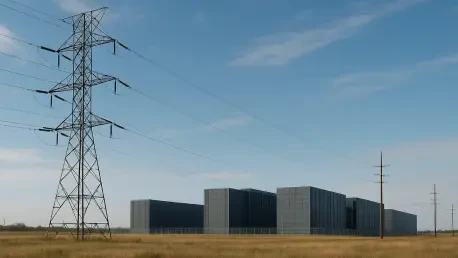

The insatiable appetite of artificial intelligence and cloud computing has effectively transformed the American electrical landscape into a high-stakes arena where the demand for electrons far outpaces the physical wires capable of carrying them. This surging need for power has exposed a stark reality in the current energy market, where the physical and regulatory capacity of the electrical grid is struggling to keep pace with the massive infrastructure requirements of modern computing. While technology giants race to secure land and permits, the underlying electrical architecture remains tethered to an aging framework that was never designed for the concentrated, hyper-scale loads that are now defining the digital age.
The Paradox of Power in the Digital Infrastructure Gold Rush
The scale of this challenge is underscored by a widening gap between a projected 62 GW of new data center demand expected from 2026 to 2030 and the reality of a grid that is nearing its operational limits. This disconnect is particularly visible in regions that have historically been the most attractive for developers due to favorable tax laws or existing fiber density. Paradoxically, the very attributes that make a location popular for data centers often correlate with the highest levels of grid congestion, leaving developers with a difficult choice between ideal geography and actual power availability. This pressure has turned every interconnection request into a marathon of technical hurdles and economic negotiations.
The urgency of this situation is currently being tested by the June 2026 “show-cause” deadline issued by the Federal Energy Regulatory Commission. This regulatory milestone requires grid operators to demonstrate that their existing frameworks are capable of facilitating the massive influx of projected capacity without compromising the stability of the entire system. As this deadline arrived, it became clear that the time for theoretical planning had ended, forcing a rapid transition into a phase where grid readiness is the primary metric for project viability. This environment has redefined success in the industry, as the ability to secure a reliable power source now often outweighs traditional factors like proximity to urban hubs.
Understanding the Regulatory Foundations of Grid Connectivity
Independent System Operators and Regional Transmission Organizations have been thrust into the role of modernizing energy delivery under intense public and private scrutiny. These entities are responsible for coordinating the complex dance between power generation and consumption, yet they are currently operating under reform mandates that seek to overhaul decades of established practice. The transition toward a more agile grid management system requires these organizations to rethink how they prioritize new projects, moving away from a simple queue system toward one that rewards technical readiness and local grid support.
The modernization efforts are currently centered on five specific pillars of reform established to create national consistency. These include the streamlining of application and study processes, more equitable cost allocation models, and the integration of co-located generation and behind-the-meter facilities. Furthermore, grid managers are developing flexible-load services that allow data centers to adjust their consumption during peak demand, alongside proximity generation rules that encourage building power plants near the actual point of use. By focusing on these categories, regulators aim to reduce the years-long backlog that has historically plagued the interconnection process.
This shift signifies the end of the traditional “one-size-fits-all” approach that previously dominated American grid management. Regulators have recognized that the specific energy needs of a hyper-scale data center in Virginia differ vastly from the requirements of a wind farm in the Midwest. Consequently, ISOs are being granted more flexibility to tailor their tariffs and study models to local realities. This decentralization of strategy is intended to foster innovation, allowing regions to compete for investment by offering more transparent and efficient pathways to power for large industrial consumers.
Regional Performance: A Landscape of Leaders and Laggards
The Southwest Power Pool has emerged as the clear frontrunner in this national race, establishing itself as the gold standard for interconnection readiness. By implementing FERC-approved large-load tariffs ahead of its peers, the region provided a blueprint for how to handle high-impact projects through specific assessment frameworks. Despite this regulatory lead, the region currently accounts for only about 5% of the high-confidence project pipeline, illustrating the lingering tension between where power is most accessible and where the largest tech hubs are traditionally located.
In contrast, PJM and MISO are operating on the front lines of the surge, collectively managing a staggering pipeline of 24 GW in new projects. PJM leads the nation with 11.8 GW of projected load, much of which is being pursued through behind-the-meter generation strategies to circumvent traditional grid delays. Meanwhile, MISO has focused on creating strict cost-allocation policies that require developers to fund infrastructure upgrades upfront. These regions are testing the limits of how much new load can be integrated while maintaining a fair balance of costs between industrial newcomers and existing residential ratepayers.
The landscape is further complicated by unique regional challenges in Texas and the coastal regulatory deserts. In the ERCOT market, political interventions and a temporary moratorium on certain interconnections have introduced non-technical risks that developers must navigate. Meanwhile, in California and New England, the lack of dedicated large-load frameworks has created a difficult environment for projects requiring rapid deployment. These areas face the greatest risk of losing out on the next wave of digital investment if they fail to align their regulatory structures with the “speed to power” demands of the 2026 market.
Strategic Insights into the Shifting Economics of Interconnection
The financial model for connecting large-scale industrial projects has undergone a fundamental transformation, marking the end of socialized infrastructure costs. In the past, the expense of expanding the grid was often shared across the entire ratepayer base, but current policies have shifted that burden squarely onto the shoulders of the developers. This “user-pay” model, often implemented through Contribution in Aid of Construction agreements, ensures that those who create the massive new demand are the ones funding the necessary transformers and transmission lines. This economic shift has forced a total re-evaluation of project budgets and capital allocation strategies across the industry.
This new reality has created an intense dilemma regarding the choice between geographic preference and “speed to power.” Developers are increasingly willing to sacrifice optimal locations near end-users in exchange for a site that offers a shorter path to a live connection. Expert analysis suggests that the time-to-market advantage provided by a ready grid can often outweigh the operational benefits of a more central location. As a result, regions that can offer predictable interconnection timelines are becoming the new preferred destinations for digital infrastructure, regardless of their historical status as tech hubs.
Furthermore, the industry has seen the debunking of the behind-the-meter myth, as regulators have tightened rules on co-located power plants. The idea that a data center could operate entirely outside the grid’s influence has been replaced by a more nuanced understanding of how even self-powered facilities interact with the broader electrical system at the margins. This has made physics-based grid modeling an essential tool for project viability rather than an optional study. Accurate simulations of point-of-interconnection costs and potential curtailment risks are now required before any significant capital is committed to a new site.
Navigating the Interconnection Backlog: Frameworks for Developers
To bypass the typical grid congestion, sophisticated developers have begun leveraging the CHILLS framework, which provides a pathway for accelerated non-firm service. This model allows a facility to connect to the grid almost immediately, provided the operator agrees to curtail its power usage during times of peak system stress for a period of seven years while permanent upgrades are completed. This approach prioritizes operational speed over absolute reliability in the short term, allowing companies to meet their immediate growth targets while waiting for the physical infrastructure to catch up.
Implementing “Bring Your Own Generation” strategies has also become a critical tool in high-demand markets like Northern Virginia and the Midwest. By pairing data center loads with on-site renewable energy or natural gas generation, developers can reduce their total impact on the shared grid, thereby speeding up the regulatory approval process. Additionally, the use of Zero-Export Generation Interconnection Agreements has simplified many of the technical hurdles associated with large loads. These agreements ensure that power never flows back from the data center into the grid, which minimizes the complex protection and control studies that often delay project approvals.
The industry effectively mastered the art of simulating point-of-interconnection costs as a prerequisite for any capital allocation. The strategies developed during this period focused on localized resilience and the proactive funding of grid enhancements. Developers prioritized regions that offered transparent and immediate capacity, effectively rewriting the playbook for industrial expansion. This shift toward self-sufficiency and physics-driven planning established a new baseline for the digital age, ensuring that the next generation of data centers was built on a foundation of operational certainty rather than speculative hope.