
The blueprint for a cleaner energy future often collides with the immediate, pressing demand for reliable electricity, a conflict dramatically illustrated when a coal plant slated for permanent shutdown is suddenly ordered back to life by federal authorities. The journey of a power plant from operational necessity to planned obsolescence is rarely a simple one. It involves a complex negotiation between corporate economics, state environmental laws, and federal oversight. Understanding this dynamic is crucial for grasping the intricate realities of the nation’s energy transition.
This article explores the multilayered process behind a coal plant’s closure, delving into the critical question of who holds the ultimate authority. It will examine the powers that can intervene, the controversies that arise from such actions, and the cascading effects on companies and communities alike. By dissecting this process, readers can gain a clearer picture of the forces shaping the American power grid.
Key Questions and Topics
What Authority Can Override a Planned Plant Closure
The decision for a power company to retire a coal plant is typically the culmination of years of strategic planning, economic analysis, and often, legal agreements with state regulators. These plans are laid out publicly, allowing grid operators and communities to prepare for the shift. However, this carefully orchestrated process can be abruptly halted by a higher authority.
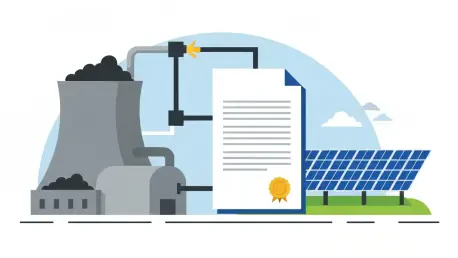
The ultimate power to override a scheduled retirement rests with the federal government, specifically the U.S. Department of Energy (DOE). Under Section 202(c) of the Federal Power Act, the Secretary of Energy possesses the emergency authority to order a plant to continue operating if its closure is deemed a threat to the reliability of the nation’s bulk power system. This intervention is justified on the grounds of preventing electricity shortages that could endanger public health, safety, and national security. A prominent recent example is the DOE’s directive for TransAlta’s Centralia Unit 2 in Washington, which was compelled to run until early 2026, directly overriding a state-mandated closure plan.
Why Is This Federal Intervention Controversial
While the goal of maintaining a stable power supply is universally supported, the DOE’s use of emergency powers is fraught with controversy. A central point of contention revolves around what truly constitutes an “emergency.” Critics, including environmental advocacy groups, argue that this authority has been used to create manufactured crises to benefit aging fossil fuel plants at the expense of state-led clean energy initiatives.
This tension is amplified when regional grid operators, the very experts responsible for assessing grid reliability, have already studied and approved a plant’s retirement. In cases affecting plants in the Midwest and Mid-Atlantic, federal orders were issued despite prior clearance from these operators, leading to legal challenges questioning the validity of the DOE’s emergency declaration. Furthermore, these actions create a direct conflict with state sovereignty. When a state like Washington legislates a phased-out closure as part of its environmental policy, a federal override is viewed by many as a significant overreach that undermines local democratic processes and long-term planning.
Who Pays When a Coal Plant Is Forced to Stay Open
Forcing an uneconomical or aging power plant to continue running beyond its intended lifespan incurs substantial costs, raising the critical question of who foots the bill. The answer often depends on the regional energy market structure. In areas managed by a Regional Transmission Organization (RTO), such as MISO in the Midwest or PJM in the Mid-Atlantic, established tariff systems can spread the financial burden of these “reliability must-run” designations across all electricity customers in the service area.
In contrast, the financial picture is far murkier in regions without such a centralized structure, like the Pacific Northwest. For the Centralia plant, there is no existing mechanism to socialize the costs of its extended operation. The DOE directed the owner, TransAlta, to seek cost recovery from the Federal Energy Regulatory Commission (FERC), but this creates a period of profound uncertainty. Without a clear payer, the company faces an un-budgeted financial liability, disrupting its balance sheet and making it difficult to plan future investments.
How Do These Orders Affect a Company’s Future Plans
Federal directives to keep coal plants open can completely derail a company’s long-term corporate strategy. Power generation companies invest years and significant capital in planning their transition toward cleaner and more modern technologies. An unexpected mandate to maintain an old facility throws these carefully constructed blueprints into disarray.
TransAlta, for instance, had already announced a $600 million project to convert the Centralia facility from coal to natural gas, a strategic pivot designed to reduce its carbon emissions by half. This plan was underpinned by a 15-year power purchase agreement with a major utility, set to commence after the conversion. The DOE order to continue burning coal indefinitely stalls this major investment, jeopardizing the agreement and leaving the company’s forward-looking business model in limbo. It forces a reactive shift back to managing an outdated asset rather than proactively building for the future.
Summary
The process of retiring a coal plant reveals a complex power dynamic where state-level environmental goals and corporate strategies can be upended by federal intervention. The DOE’s authority under the Federal Power Act to ensure grid reliability serves as a powerful check on planned closures. This creates an inherent conflict between the immediate need for a stable power supply and the long-term objective of decarbonization.
These federal orders introduce significant instability into the energy sector. They generate financial uncertainty for plant owners, particularly in regions without mechanisms to distribute the costs of extended operation. Moreover, they disrupt strategic corporate planning for modernization and cleaner energy. The continued use of this authority indicates a broader trend where concerns over grid stability may be leveraged to slow the nationwide transition away from traditional fossil fuels.
Final Thoughts
The conflict over the Centralia plant’s future was more than a regional energy dispute; it became a case study in the fundamental tensions shaping America’s energy policy. It clearly demonstrated how national security arguments could be deployed to counteract the momentum of the clean energy transition, forcing a reevaluation of established timelines and jurisdictional authorities.
This episode served as a powerful reminder that the path away from fossil fuels is neither simple nor linear. The event prompted stakeholders, from federal policymakers to local communities, to confront the difficult task of aligning long-term environmental ambitions with the non-negotiable, everyday requirement for a dependable power grid. Navigating this challenge was, and will continue to be, a defining feature of the evolving energy landscape.