
The Billion-Dollar Question Facing America’s Power Grid
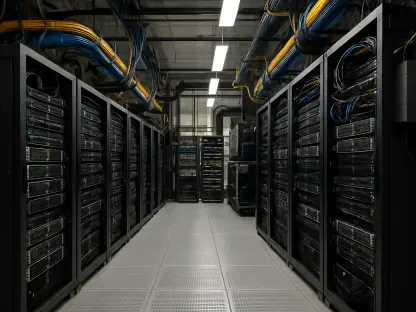
The insatiable appetite for data, fueled by artificial intelligence, cloud computing, and the digital economy, has created an unprecedented challenge for the nation’s energy infrastructure. Data centers—the physical backbone of our virtual world—are consuming electricity at a staggering rate, demanding new power generation and grid upgrades on a scale not seen in decades. This explosive growth raises a critical and contentious question: As utilities scramble to build the infrastructure needed to power this digital revolution, who should foot the bill? A recent decision by the Federal Energy Regulatory Commission (FERC) involving an Amazon data center in Pennsylvania provides a glimpse into one potential path forward, but it also exposes deep-seated regulatory tensions that will define the energy landscape for years to come. This article explores the landmark case, the broader debate it ignites, and the long-term implications for utilities, tech giants, and everyday consumers.
From Shared Burden to Direct Accountability A Paradigm Shift in Energy Costs
For most of modern history, the cost of expanding and maintaining the electrical grid has been a shared responsibility. Utilities would make investments in new power lines and substations, and the costs would be socialized across the entire customer base through regulated electricity rates. This model worked well in an era of predictable, incremental load growth. However, the rise of the modern data center has shattered this paradigm. Unlike the gradual increase from new homes and businesses, a single hyperscale data center can demand as much power as a small city, creating an abrupt and massive strain on local and regional grids. This concentrated demand challenges the fairness of the traditional cost-sharing model, forcing regulators and utilities to question whether the public should subsidize the infrastructure required to support the profitable operations of a few massive corporations.
Deconstructing the Deal A Case Study in Cost Allocation
The Causer Pays Principle in Practice
In a decision that could signal a major shift in policy, FERC recently approved a transmission service agreement between PECO Energy and Amazon Data Services. The deal establishes a framework where Amazon will directly pay for the specific grid upgrades required to power its new data center in Falls Township, Pennsylvania. By approving the agreement under the Mobile-Sierra presumption—a legal doctrine that assumes freely negotiated contracts are reasonable—FERC endorsed a “causer pays” model. This principle dictates that the entity directly causing the need for new infrastructure should bear its cost. The commission’s approval was narrowly focused on the contract itself, specifically Amazon’s financial contribution to PECO, ensuring that existing ratepayers would not be on the hook for the multi-million-dollar project.
The Unexamined Consequences What the Ruling Left Out
Despite the unanimous approval, the decision was not without controversy. PJM Interconnection’s independent market monitor, Monitoring Analytics, had urged FERC to conduct a much broader review. It argued that simply isolating the cost of the transmission lines ignored the data center’s potential ripple effects on the regional grid, including its impact on energy prices, capacity markets, and overall system reliability. FERC declined, stating these issues were outside the scope of the proceeding. This narrow focus, however, leaves critical questions unanswered. While Amazon may be paying for the poles and wires connecting to its facility, the immense and constant power it draws could still strain the grid and drive up wholesale energy costs for millions of other customers in the region—a consequence this ruling did not address.
A Warning from Within Navigating Jurisdictional Loopholes
The most significant concerns came from one of FERC’s own commissioners. In a concurring statement, she warned that while this specific agreement appeared fair, it highlighted a dangerous regulatory gap. The commissioner cautioned against allowing such private deals to create “jurisdictional ‘silos’ or ‘loopholes'” that could sideline state regulators. Because FERC oversees wholesale transmission and state utility commissions oversee retail rates, a private agreement approved at the federal level could prevent state officials from implementing necessary consumer protections. She argued that a contract’s private negotiation does not automatically make it in the public’s best interest and stressed that the current ad-hoc, case-by-case approach is unsustainable as more large loads seek to connect to the grid.
The Path Forward Forging a National Framework for Large Load Interconnection
The PECO-Amazon case is a harbinger of a much larger national conversation. As utilities across the country face a deluge of connection requests from data centers, cryptocurrency miners, and advanced manufacturing facilities, the pressure to establish a clear and consistent policy is mounting. Recognizing this, the concerned commissioner proposed that FERC proactively develop a standardized framework to protect consumers. She suggested adapting existing policies, such as the “higher of” pricing rule used to manage the costs of new generator interconnections, to the challenge of large loads. This call for action coincides with FERC’s review of a Department of Energy proposal for new rules governing this very issue, signaling that federal regulators are finally beginning to grapple with how to manage the energy demands of the 21st-century economy without leaving the public to pay the price.
A Blueprint for Equitable Growth Recommendations for Stakeholders
The analysis of the data center power surge and the evolving regulatory response reveals several key takeaways. First, the traditional model of socializing grid upgrade costs is no longer viable in the face of massive, concentrated industrial loads. Second, the “causer pays” principle is emerging as a leading solution, but its implementation is fraught with regulatory complexity. To navigate this new terrain, stakeholders must adopt proactive strategies.
- For data center developers and utilities: Early and transparent collaboration is essential to plan for infrastructure needs and negotiate cost-allocation agreements that are both fair and efficient.
- For regulators: Federal and state commissions must work together to close jurisdictional gaps and develop a cohesive national policy that protects consumers while facilitating economic growth.
- For consumers and advocacy groups: It is critical to engage in the regulatory process and advocate for policies that ensure the costs of supporting private industry are not unfairly shifted onto the public.
Balancing Innovation with Public Interest
The question of who will pay for the data center power surge is more than an accounting problem; it is a fundamental test of the ability to balance technological innovation with the public interest. The FERC decision in the PECO-Amazon case provides one answer, placing the financial burden squarely on the private beneficiary. However, the concerns raised by regulators highlight the urgent need for a comprehensive framework that addresses not only direct infrastructure costs but also the broader impacts on grid stability and affordability. As the world becomes increasingly digitized, ensuring an equitable and sustainable energy future requires thoughtful policy, collaborative planning, and a steadfast commitment to protecting the consumer.