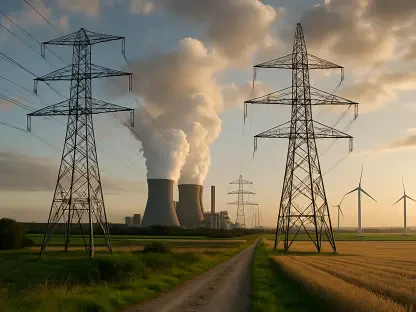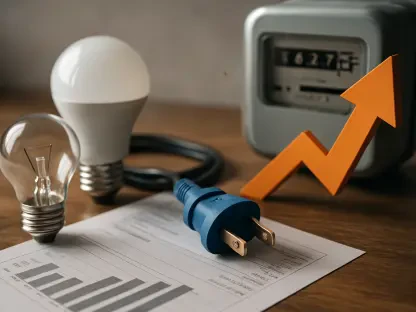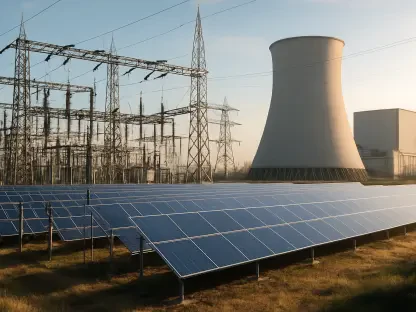

Imagine a power grid on the brink, teetering under the weight of surging electricity demand from sprawling data centers and widespread electrification, while renewable energy sources struggle to keep pace. This isn’t a distant concern but a pressing reality as inverter-based resources (IBRs), such as solar and wind systems, become integral to modern energy grids. While these resources promise a sustainable future, their rapid integration without proper oversight poses a silent threat to grid stability. This guide aims to illuminate why independent verification of IBRs is critical and how it can safeguard reliability in an evolving energy landscape. By exploring the challenges and actionable solutions, the path forward for grid safety becomes clear.
The purpose of this guide is to equip industry stakeholders, grid operators, and policymakers with a deeper understanding of the risks associated with unverified IBRs and to advocate for a structured approach to mitigate them. As renewable energy adoption accelerates, ensuring that these systems perform as expected is not just a technical necessity but a societal imperative. Without rigorous checks, the very innovations meant to power progress could undermine the grid’s foundation, leading to costly outages or cascading failures.
Moreover, the importance of this issue cannot be overstated in an era where every kilowatt counts. With electricity consumption rising due to new technologies and industrial growth, the grid must adapt to handle both increased load and the unique characteristics of IBRs. This guide lays out a compelling case for independent verification as the cornerstone of reliability, offering a roadmap to bridge the gap between theoretical models and real-world performance.
Unveiling the Crisis: The Rising Role of IBRs in Grid Reliability
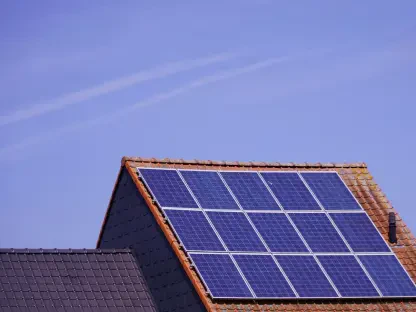
The modern power grid stands at a crossroads, driven by a global shift toward renewable energy sources like solar and wind, which rely heavily on IBRs to connect to the system. Unlike traditional power plants, these resources introduce a new layer of complexity through their dependence on inverters—devices that convert direct current into alternating current suitable for the grid. As their share of energy production climbs, so does their impact on overall grid reliability, especially under the strain of unprecedented demand from electrification and digital infrastructure.
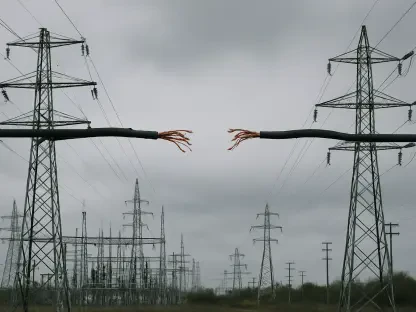
However, this transition comes with hidden pitfalls. The surge in IBR deployment has outpaced the development of robust oversight mechanisms, leaving potential vulnerabilities unchecked. Instances of unexpected system failures during peak stress highlight how inadequate verification can turn a promising technology into a liability. The stakes are high, as even minor disruptions can ripple through interconnected networks, affecting millions of users and critical services.
Consequently, the urgent need for independent verification emerges as a non-negotiable priority. Relying solely on self-reported data or internal assessments risks overlooking critical flaws that only a neutral, third-party perspective can uncover. By addressing this gap, the industry can ensure that IBRs contribute to stability rather than chaos, paving the way for a resilient energy future amid escalating challenges.
The Shift in Power: Why IBRs Challenge Traditional Grid Stability
For over a century, traditional synchronous generators—think massive coal or gas-fired turbines—have provided a stable backbone for power grids through their physical inertia, which naturally counters disturbances. These systems, with their spinning masses, act as a buffer, maintaining frequency and voltage even when sudden changes occur. Their predictability and robustness have long been the bedrock of reliable electricity delivery across vast regions.
In contrast, IBRs operate on a fundamentally different principle, relying on complex software algorithms and power electronics to mimic the behavior of older systems. Lacking inherent inertia, their stability hinges on precise programming and calibration of hundreds of adjustable parameters within inverters. While innovative, this dependency introduces a fragility that traditional setups rarely faced, as a single misstep in configuration can destabilize an entire network during critical moments.
Thus, the shift to IBRs demands a rethinking of grid safety protocols. Where synchronous generators offered a built-in resilience, IBRs require meticulous oversight to ensure they respond appropriately to grid conditions. This technological divergence underscores the necessity for a fresh approach to reliability—one that prioritizes verification to catch errors before they manifest as widespread blackouts or systemic failures.
Breaking Down the Risks: Key Issues in IBR Integration
Understanding the specific hazards tied to IBRs is the first step toward mitigating their impact on grid performance. These resources, while essential for a sustainable energy mix, bring unique challenges that differ starkly from legacy systems. By dissecting these risks, it becomes evident why independent checks are not just beneficial but vital for long-term stability.
Moreover, real-world evidence and systemic patterns reveal a consistent thread of vulnerabilities that cannot be ignored. From technical intricacies to organizational disconnects, the issues surrounding IBR integration paint a picture of a grid ill-prepared for the scale of transformation underway. Addressing them requires a clear-eyed assessment of where things stand and what must change.
Ultimately, this breakdown serves as a foundation for actionable solutions. Each challenge, whether rooted in technology or human oversight, points to the same conclusion: without rigorous external validation, the grid remains exposed to preventable disruptions. The following subsections delve into these concerns with precision, grounded in tangible examples and data.
Issue 1: Technological Complexity and Configuration Errors
The intricate design of IBRs, with their reliance on sophisticated electronics, sets them apart as both a marvel and a challenge. Inverters, the heart of these systems, often feature hundreds of configurable settings that dictate how they interact with the grid. When tuned correctly, they can enhance efficiency; when misconfigured, they become a ticking time bomb waiting to disrupt power flow during unexpected events.
Hidden Flaws: Undetected Inverter Settings
Delving deeper, many inverter settings go unnoticed in standard evaluations, creating latent risks that only surface under stress. Routine checks often focus on surface-level performance metrics, missing subtle calibration errors that could cause erratic behavior. Such hidden flaws, if left unaddressed, can trigger cascading issues, turning a localized glitch into a regional outage with little warning.
The PPC Problem: Discrepancies in Control Settings
Compounding the issue, discrepancies between power plant controller (PPC) settings and grid operator requirements frequently arise, amplifying instability. These controllers act as the brain coordinating multiple inverters, but mismatched parameters can lead to improper responses during disturbances. This misalignment, often overlooked until a crisis hits, underscores the need for thorough, independent scrutiny to ensure settings align with operational needs.
Issue 2: Fragmented Responsibilities in the IBR Ecosystem
Beyond technology, the structure of the IBR ecosystem itself poses significant hurdles to reliability. Unlike synchronous generation, where utilities often managed the entire process, IBR projects involve a web of stakeholders—developers, owners, and operators—each with distinct roles and priorities. This fragmentation creates gaps in accountability that can jeopardize the grid’s integrity.
Misaligned Priorities: Cost vs. Stability
Within this web, conflicting goals often emerge, with developers prioritizing cost and speed over long-term stability. While understandable from a business perspective, this focus can lead to shortcuts in design or implementation that compromise performance. Grid operators, tasked with maintaining reliability, are left to grapple with the consequences of decisions made upstream, often without sufficient insight or control.
Lack of Enforcement: Agreements Without Validation
Further complicating matters, interconnection agreements—meant to ensure compliance with grid standards—frequently lack practical enforcement mechanisms. On paper, these contracts outline expectations, but without validation, they remain toothless. This absence of rigorous follow-through means potential issues slip through the cracks, highlighting the critical role of an impartial overseer to bridge intent and reality.
Issue 3: Real-World Consequences of Oversight Gaps
The risks associated with IBRs are not theoretical; they have materialized in documented events that serve as stark warnings. Historical incidents and inspection findings paint a vivid picture of what happens when verification falls short. These real-world examples anchor the argument for change, showing the tangible cost of inaction.
Case Study: Odessa Tripping Events
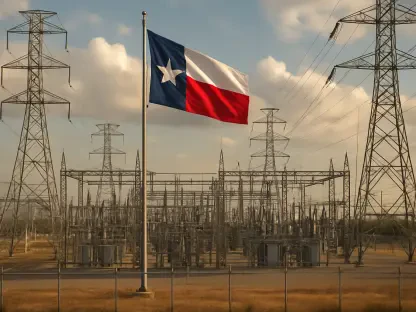
Consider the tripping events in Odessa during recent years, where IBRs unexpectedly disconnected during grid stress, exacerbating instability. These incidents revealed how unverified configurations can fail at critical junctures, leaving the system vulnerable when reliability is most needed. They stand as cautionary tales, urging the industry to prioritize preemptive checks over post-event fixes.
Widespread Deficiencies: Insights from 300+ Inspections
Beyond isolated cases, data from over 300 on-site inspections conducted in recent times uncovers a troubling pattern of pervasive configuration errors across IBR facilities. From incorrect inverter settings to outdated models, these deficiencies persist undetected in many sites, posing a systemic threat. Such widespread issues reinforce that self-oversight alone cannot address the scale of the problem, demanding a more robust solution.
Core Takeaways: Summarizing the Need for Verification
Distilling the discussion into essential points clarifies the stakes and the path forward for IBR integration. These takeaways serve as a quick reference, capturing the urgency of addressing vulnerabilities through structured intervention. They highlight both the nature of the risks and the necessity of a targeted response.
- IBRs bring unique technological risks due to their dependence on software and intricate electronics.
- Fragmented responsibilities among stakeholders create persistent oversight gaps that erode accountability.
- Real-world events and extensive inspections expose systemic configuration errors threatening grid performance.
- Independent verification stands as a critical tool to ensure compliance and bolster reliability.
Looking Ahead: IBR Verification in the Context of Grid Modernization
As the energy sector evolves, the push for grid modernization intensifies, driven by rising electricity needs from data centers, manufacturing, and electrification trends. IBRs sit at the heart of this transformation, offering a scalable solution to meet demand while reducing carbon footprints. Yet, their growing presence amplifies the need for verification to keep pace with penetration levels that could redefine the grid’s composition in the coming years.
Furthermore, independent verification offers a way to build confidence among stakeholders as these changes unfold. By establishing a consistent framework for evaluating IBR performance, grid operators can trust that new installations won’t introduce unforeseen risks. This assurance becomes even more vital as load growth stretches existing infrastructure to its limits, leaving little room for error.
Nevertheless, scaling third-party oversight across the industry won’t be without challenges. Resource constraints, varying regional standards, and resistance to additional costs could slow adoption. Tackling these hurdles will require collaboration between regulators, operators, and technology providers to create streamlined processes that balance thoroughness with practicality, ensuring verification becomes a norm rather than an exception.
Final Call: Advocating for Immediate Action on IBR Verification
Looking back, the exploration of IBR challenges painted a sobering picture of a grid grappling with innovation’s double-edged sword. The technological intricacies, fragmented oversight, and real-world failures underscored a pressing need for change. Each step of the analysis reinforced that independent verification was not merely an option but a necessity to protect reliability.
Moving forward, industry stakeholders were urged to take decisive action by piloting third-party oversight programs or advocating for updated standards that mandate such checks. Starting small with targeted assessments of high-risk sites could have built momentum for broader adoption. Additionally, fostering dialogue among developers, operators, and regulators promised to align priorities and pave the way for scalable solutions.
Ultimately, the journey toward a safer grid demanded a proactive mindset. Exploring partnerships with specialized firms to conduct verifications or investing in training for in-house teams offered practical next steps. As the energy landscape continued to shift, embracing these measures ensured that IBRs became a pillar of strength rather than a point of vulnerability, securing power for generations to come.