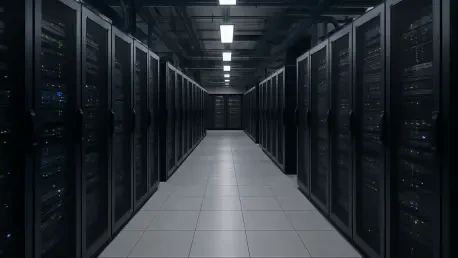

The digital heartbeat of California’s economy increasingly depends on a massive and growing network of data centers, but this very dependency is now raising critical questions about the resilience of the state’s power infrastructure. The California Independent System Operator (CAISO), the entity responsible for managing the state’s bulk power system, has stepped into the spotlight, initiating a crucial public dialogue to navigate the complex challenges posed by a projected surge in large electricity loads. This proactive, yet cautious, approach aims to prepare the grid for a new era of demand driven by these energy-intensive facilities.
California’s Looming Power Challenge: The Data Center Boom
At the forefront of managing California’s intricate power system, CAISO is confronting an unprecedented wave of new demand. On January 20, the grid operator released a comprehensive informational paper outlining the considerations for this new era, stemming from a growing number of inquiries about its strategy for integrating large-scale power consumers. This move signals a significant shift from traditional grid planning, where demand growth was more predictable and incremental.
The rising prominence of data centers as the primary drivers of this large-scale electricity consumption has fundamentally altered the energy landscape. These facilities, essential for cloud computing, artificial intelligence, and digital services, require immense and constant power, placing unique strains on the grid. Unlike traditional industrial loads, their power needs can be immense and concentrated in specific geographic areas.
In response, CAISO’s public dialogue is a deliberate effort to get ahead of the curve. By actively seeking written input and feedback from stakeholders before its February 25 deadline, the grid operator is working to build a consensus-driven framework. This initiative, articulated by Danielle Mills, CAISO’s infrastructure policy development principal, is a direct response to the need for a clear and coordinated strategy to manage and integrate this impending surge in grid load without compromising reliability.
Gauging the Surge: Projections and Market Dynamics
The Unprecedented Growth of Energy-Intensive Loads
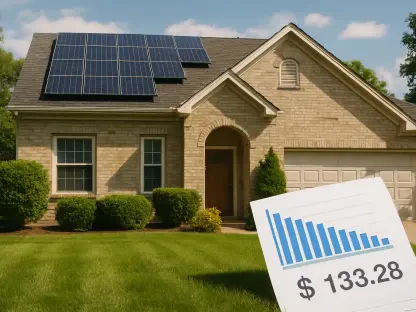
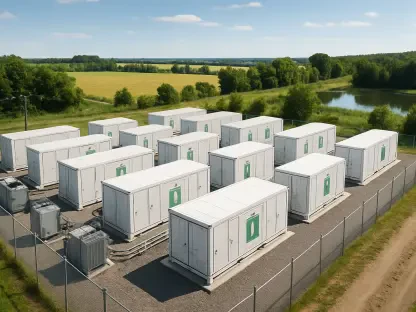
The recent trend of rapid expansion in inquiries from large power consumers is a clear indicator of the scale of the challenge ahead. Grid planners are no longer dealing with slow, steady growth but with a sudden influx of requests for massive blocks of power. This surge is further complicated by the common practice of co-locating these large loads with distributed energy resources (DERs) like solar panels and battery storage, creating a complex new dynamic for system operators.
These sophisticated facilities introduce novel complexities to grid management. Their ability to both consume vast amounts of energy and potentially provide grid services through their on-site DERs requires a more nuanced approach to system operations. CAISO must now account for operational shifts that were not a factor in previous planning cycles, demanding new tools and protocols to maintain a stable and efficient power system.
Forecasting the Demand: Data Centers by the Gigawatt
Putting a number on this growth, a January forecast from the California Energy Commission offers a stark picture of the future. The report projects that demand from data centers alone within the CAISO-managed grid will increase by 1.8 gigawatts (GW) by 2030, a figure expected to escalate to a staggering 4.9 GW by 2040. To put that in perspective, a single gigawatt is enough to power hundreds of thousands of homes, meaning this growth represents a significant portion of the state’s current electricity capacity.
These projections carry profound market implications, signaling a long-term structural shift in California’s energy needs. The forecast provides a forward-looking perspective that forces utilities, regulators, and infrastructure developers to reconsider the adequacy of existing generation and transmission capacity. Meeting this demand will require substantial investment and a strategic rethinking of how and where new energy resources are developed and interconnected to the grid.
Navigating the Thorny Issues: Key Grid Integration Hurdles
Who Pays the Bill? The Transmission Cost Conundrum
Among the most pressing challenges identified by CAISO is the equitable allocation of costs for transmission upgrades. When a massive data center connects to the grid, it often necessitates significant and costly enhancements to nearby transmission lines and substations. The central dilemma lies in determining financial responsibility, as it is often difficult to distinguish whether these upgrades were triggered solely by the new load or by new generation sources brought online to serve both the data center and the broader system.
This ambiguity creates a complex puzzle for regulators. CAISO’s report notes that the benefits of these network improvements may extend to other ratepayers, making it unfair to assign the full cost to a single customer. Resolving this conundrum will require careful coordination across multiple regulatory tariffs and a clear framework for separating responsibilities between load additions and new generation, ensuring that costs are allocated fairly without stifling economic growth.
The Race for Speed to Power: Balancing Fast-Tracking with Grid Reliability
In a competitive digital economy, large customers are demanding accelerated timelines for grid interconnection, a concept often referred to as “speed to power.” While CAISO acknowledges this need and is exploring customized services to expedite the process, it rightfully cautions that any new offerings must be meticulously designed. Fast-tracking connections cannot come at the expense of system integrity.
Maintaining grid reliability remains the paramount concern. Any new interconnection process must be carefully integrated into existing system operations and long-term planning activities while adhering to the stringent reliability standards set by the North American Electric Reliability Corp. (NERC). This delicate balancing act involves ensuring that accelerated connections do not introduce unforeseen risks or instabilities, a task that may require adjustments to CAISO’s own planning standards to accurately account for new patterns of power withdrawal and transmission service.
Predicting the Unpredictable: The Demand Forecasting Dilemma
The proliferation of large loads, especially when paired with on-site DERs, introduces a new level of unpredictability into short-term demand forecasting. As these combined facilities become more sophisticated, their operational patterns become harder to anticipate. This challenge is magnified by several factors, including limited real-time visibility into DER operations, evolving retail electricity rates that influence customer behavior, and the expansion of load flexibility programs.
This forecasting dilemma poses a significant risk to grid stability. Without a clear and accurate picture of demand-side changes, CAISO has warned that it may need to procure more costly ancillary services, such as flexible ramping and regulation reserves, to balance the system in real time. This increased reliance on reliability products would inevitably add cost and complexity to grid management, underscoring the urgent need for better data and more advanced forecasting models.
A Cautious Approach: Aligning with the National Regulatory Landscape
Following FERC’s Lead on Large Load Interconnection
A key element of CAISO’s strategy is its deference to broader, national-level regulatory developments. Recognizing that the data center boom is a nationwide issue, the grid operator is closely monitoring the activities of the Federal Energy Regulatory Commission (FERC). Following a Department of Energy directive from last October that instructed FERC to explore rule changes for large load interconnections, CAISO has stated it “anticipates additional clarity from FERC before issuing specific proposals.”
This deliberate, information-gathering posture demonstrates a commitment to ensuring that California’s regional solutions align with federal policy. By waiting for federal guidance, CAISO aims to avoid creating a patchwork of rules that could conflict with national standards, thereby fostering a more stable and predictable regulatory environment for both load customers and energy developers. This approach highlights the interconnected nature of energy policy, where regional actions are heavily influenced by federal directives.
NERC’s Reliability Guidelines: Setting a National Standard
In addition to FERC, CAISO is also keeping a close watch on NERC, which is currently developing a “Reliability Guideline: Risk Mitigation for Emerging Large Loads.” With a final version expected in the second quarter of the year, this guideline will establish a national standard for managing the operational risks associated with integrating massive new loads. These standards will be instrumental in shaping CAISO’s efforts to ensure compliance and grid security.
By observing these national dockets, as well as those of other grid operators like PJM Interconnection, CAISO is positioning itself to adopt best practices and informed policy. This methodical approach ensures that any proposed tariff changes or new rules are grounded in a comprehensive understanding of the issue, reflecting both regional needs and national reliability imperatives. It is a clear signal that while the issue is urgent, the solutions must be both durable and well-aligned with the broader energy industry.
The Path Forward: Strategy, Innovation, and Collaboration
The Future of Grid Planning in an Era of Electrification
Accommodating this new era of electrification will require more than just building new power plants and transmission lines; it will demand significant technological and policy innovation. Potential solutions include the expansion of load flexibility programs that incentivize data centers to adjust their consumption during peak hours and the deployment of advanced DER management systems that can aggregate and dispatch on-site resources to support the grid.
Market disruptors and new technologies will also play a crucial role. As data centers and other large loads evolve, their ability to participate in energy markets as both consumers and service providers will grow. Harnessing this potential through innovative market designs could transform these facilities from a grid challenge into a grid asset, enhancing reliability and efficiency for all customers.
Stakeholder Engagement as a Blueprint for Success
The stakeholder-driven process initiated by CAISO is a critical component of developing durable and effective solutions. By soliciting feedback from a wide range of parties—including utilities, technology companies, consumer advocates, and environmental groups—the grid operator is fostering the collaboration needed to navigate this complex transition. This inclusive approach is essential for building the consensus required for major policy and infrastructure changes.
Ultimately, the future growth of California’s digital economy will be defined by the success of this collaboration. A coordinated effort between grid operators, regulators, and the industries driving this new demand will be the blueprint for success. By working together, stakeholders can develop a strategic plan that allows for continued innovation and economic expansion while ensuring a resilient and responsive power system for the entire state.
California’s High-Stakes Balancing Act
Synthesizing the Grid’s Primary Challenges and Opportunities
California’s power grid stands at a critical juncture, navigating the nexus of cost allocation, interconnection speed, and forecasting accuracy. Each of these challenges presents a formidable hurdle, yet they also create opportunities for innovation in grid management and market design. The central question remains whether the grid can absorb the data center boom without compromising the reliability that underpins the state’s economy and the well-being of its citizens. The answer appears to be a qualified yes, contingent on strategic planning and proactive investment.
Recommendations for a Resilient and Responsive Power System
The path forward for policymakers and industry stakeholders seemed to be paved with a dual focus on infrastructure and intelligence. Key strategies included investing in targeted transmission upgrades to create “data center-ready” zones and developing sophisticated market mechanisms that reward load flexibility. Additionally, a renewed focus on enhancing real-time grid visibility through advanced sensors and data analytics would be essential. These steps, taken together, could ensure a stable energy future, allowing California to power its digital ambitions without interruption.