
The relentless expansion of artificial intelligence is colliding with a harsh economic reality, as the voracious energy appetite of data centers fuels a surge in electricity costs that is now creating significant political blowback. With residential utility bills climbing and voter dissatisfaction mounting, a new analysis suggests that AI developers are being compelled to rethink their reliance on the public grid. This emerging trend points toward a strategic and urgent pivot to on-site power generation, not merely as a cost-saving measure, but as a critical move to insulate their power-hungry operations from an increasingly volatile economic and political landscape. The pressure is forcing a fundamental change in how the digital infrastructure of the future is powered, potentially decoupling the growth of AI from the constraints and controversies of the traditional utility model, thereby ushering in an era of energy independence for big tech.
The Economic and Political Imperative
The Pressure of Rising Utility Bills
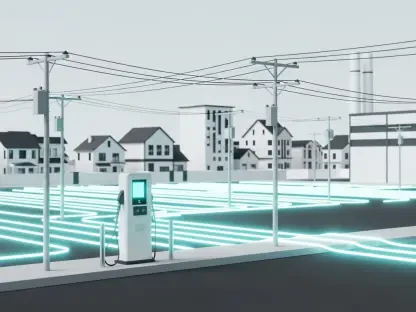
A comprehensive Bank of America analysis pinpoints affordability as the paramount risk facing regulated utilities in 2026, a direct consequence of massive capital expenditures that have steadily pushed customer bills higher. Since 2020, residential electricity rates have jumped by an estimated 37%, creating a politically charged environment where high energy costs are a major source of public discontent. This sentiment has already translated into political action, as seen in the 2023 elections in states like New Jersey and Virginia, where voter frustration over utility bills became a prominent issue. In response, political leaders are taking notice and acting decisively. For example, New Jersey Gov. Mikie Sherrill has moved to freeze electricity cost increases, while Virginia Gov. Abigail Spanberger has initiated reviews of state policies with the explicit goal of lowering energy costs for consumers. This growing political sensitivity means that utilities are facing immense pressure to curb rate hikes, which in turn complicates their ability to fund the grid upgrades necessary to support massive new loads like AI data centers.
A Strategic Pivot to On-Site Power
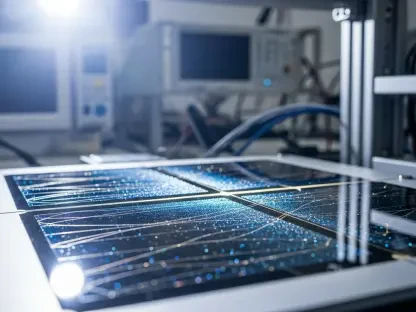
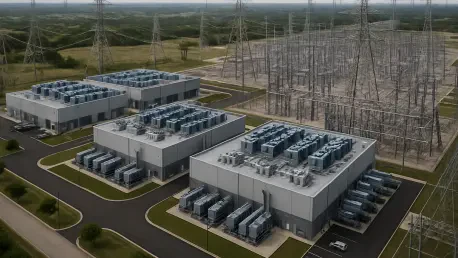
In this challenging climate, data center operators are increasingly turning inward for their power needs, adopting behind-the-meter solutions to gain control over their energy supply and costs. This strategic shift is driven by a clear decision-making hierarchy geared toward speed and reliability. According to BofA analysts observing trends in 2026, the first priority for new data centers is securing a power source quickly, which often leads to the installation of on-site gas turbines or engines to get operations online without delay. The next essential step is to firm up and smooth this power supply using battery storage systems, which can manage fluctuations and ensure a consistent flow of electricity. Finally, once a reliable baseline is established, developers are layering in solar power as the lowest-cost energy source to reduce long-term operational expenses. This is not a niche trend; an analysis by Cleanview found that facilities representing approximately 30% of all planned data center capacity in the United States intend to incorporate behind-the-meter resources, signaling a major industry-wide move toward energy self-sufficiency.
The Technological Solutions for Energy Independence
The Ascendancy of Battery Storage
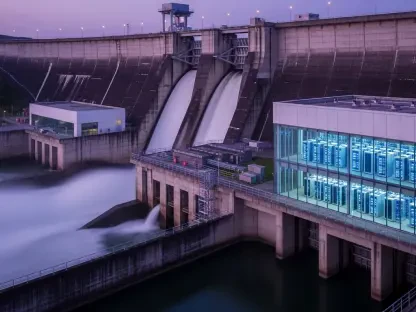
The strategic move toward on-site generation has made energy storage an indispensable component of modern data center infrastructure, with BofA analysts declaring 2026 as “the year storage becomes non-optional.” As the penetration of intermittent renewable energy sources like solar grows and grid loads become more volatile, batteries have evolved from a project-level enhancement to a system-wide necessity. They are crucial for both the grid operators seeking stability and the large-scale energy consumers, like data centers, that require an uninterruptible power supply. This growing demand is being met by an expanding supply chain, which is helping to mitigate previous risks. Major automotive manufacturers such as Ford and GM have joined Tesla in developing and scaling up their stationary storage solutions, bringing their vast manufacturing expertise to the sector. This diversification of the supply base is easing concerns about availability and cost, making it more feasible for data centers to integrate large-scale battery systems into their on-site power strategies to ensure resilience and optimize energy use.
Navigating Market Dynamics and Future Growth
While the long-term outlook for energy storage is robust, the market is navigating some near-term turbulence. According to projections from Wood Mackenzie, the global energy storage market is expected to experience a temporary dip in its growth rate between 2026 and 2027. This slowdown is attributed primarily to the implementation of new tariffs and ongoing supply chain adjustments that are creating short-term disruptions for developers and manufacturers. However, this period is viewed as a temporary correction rather than a long-term decline. The same analysis predicts that market momentum will recover and accelerate by 2028. This resurgence will be driven by the persistent and intensifying demand for grid flexibility and the seamless integration of renewable energy sources—the very factors fueling the data center industry’s push for energy independence. The fundamental need for storage to balance the grid and support power-intensive operations ensures that its growth trajectory remains strong, positioning it as a cornerstone technology for the future of digital infrastructure.
A New Energy Paradigm for a Digital Future
The convergence of soaring energy demands, rising consumer costs, and political pressure ultimately catalyzed a fundamental shift in how the infrastructure of the digital age was powered. The move by AI data centers toward on-site generation and energy storage was not merely a reaction to market conditions; it represented the dawn of a new, decentralized energy paradigm. This strategic pivot was a necessary evolution, transforming data centers from passive consumers of electricity into sophisticated, self-sufficient energy hubs. This transition, driven by the immediate need for reliable and affordable power, had a lasting impact, fostering innovation in battery technology, microgrids, and renewable energy integration. In the end, the industry’s pursuit of energy independence did more than solve a logistical problem; it created a more resilient and sustainable foundation for the continued growth of artificial intelligence.