
The rapid transformation of Bengaluru from a regional administrative center into a global technological powerhouse has necessitated an equally dramatic evolution in its energy infrastructure and management strategies. As the city accommodates a surging population and an ever-expanding IT sector, the Bengaluru Electricity Supply Company Limited is pioneering a sophisticated integration of renewable energy sources to meet these escalating demands. This transition is not merely about increasing capacity but involves a fundamental shift toward a decentralized, sustainable grid that leverages rooftop solar technology and electric vehicle infrastructure to maintain stability. By prioritizing clean energy, the city is addressing the dual challenges of reducing its carbon footprint while ensuring that the cost of power remains manageable for both residential and industrial consumers. This forward-thinking approach positions Bengaluru as a model for urban centers across the globe that are struggling to reconcile rapid economic growth with environmental responsibility.
Solar Proliferation and Distributed Energy Models
The widespread adoption of rooftop solar panels among residential and commercial consumers has fundamentally altered the traditional relationship between the utility and its customer base. With more than 22,219 installations currently operational, Bengaluru has seen its combined solar capacity reach approximately 460 megawatts, transforming thousands of energy users into active producers. This shift toward a distributed energy model allows for the generation of power at the point of consumption, which significantly alleviates the historical burden placed on high-voltage transmission lines during peak hours. However, this decentralized approach requires a sophisticated balancing act by the utility to maintain financial viability while encouraging green transitions. To ensure that the physical infrastructure remains well-funded, the utility has implemented a billing structure that preserves fixed charges even as unit-based energy costs decline for solar adopters. This strategy ensures the grid stays resilient and capable of supporting all users regardless of their individual generation capacity.
Beyond the financial mechanisms, the technical integration of distributed solar necessitates a robust monitoring system to manage fluctuations in power input and ensure consistent voltage levels across the city. By utilizing net metering under strict regulatory oversight, the utility can accurately track the flow of electricity back into the grid, creating a symbiotic relationship that benefits both the provider and the participants. The move toward generating power closer to the end-user minimizes the energy losses that typically occur during long-distance transmission, making the overall system far more efficient. This localized production strategy is particularly effective in densely populated urban corridors where land for large-scale power plants is scarce and expensive. As the city continues to expand its renewable footprint, the focus is increasingly on enhancing grid flexibility through digital upgrades and automated load management. These advancements allow the utility to respond dynamically to weather-dependent solar production, ensuring that the transition to a greener grid does not come at the expense of reliability or service quality.
Infrastructure Pressures and Economic Resource Management
Bengaluru’s status as a premier hub for information technology, data centers, and high-tech manufacturing creates a relentless demand for a stable and continuous power supply. This industrial intensity is further compounded by massive demographic shifts as professionals from across the country migrate to the city, leading to the creation of nearly six million domestic electricity connections. Large-scale infrastructure projects, such as the ongoing expansion of the Metro rail network and the development of peripheral townships, add concentrated pressure on specific nodes within the distribution network. To manage this complexity, the utility must constantly evaluate its base load requirements against the periodic spikes in demand caused by seasonal changes and industrial cycles. This requires a transition away from traditional reactive planning toward a more predictive model that anticipates where and when energy needs will be most acute. By analyzing historical consumption patterns and real-time data from industrial corridors, planners can strategically direct investments toward the areas that require the most urgent reinforcement.
Economic considerations are driving a decisive move away from traditional thermal power procurement in favor of more cost-effective renewable alternatives that offer long-term price stability. Current data indicates that while thermal energy costs approximately 6.99 rupees per unit, solar energy can be procured for less than five rupees, providing a significant financial incentive for the utility to expand its green portfolio. The goal of adding between 5,000 and 6,000 megawatts of clean power is not just an environmental target but a strategic move to lower the overall cost of electricity for the general public. While hydroelectric power remains the most affordable option, its availability is often limited by seasonal rainfall, making solar a more reliable cornerstone for the city’s energy strategy during the sun-drenched months. By prioritizing these cheaper sources, the utility can reduce its reliance on expensive short-term power purchases during high-demand periods, which historically led to budget deficits. This shift toward affordable renewables ensures that the city’s economic growth remains sustainable without imposing an undue financial burden on its growing population.
Strategic Evolution of Electric Vehicle Infrastructure
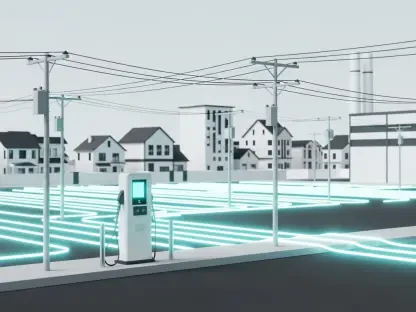
The rapid proliferation of electric vehicles represents the next major frontier for energy demand, with the utility forecasting a dramatic surge in electricity consumption over the coming years. By 2030, the energy required to power the city’s electric fleet is expected to reach nearly 955 million units, representing a nearly fourfold increase from current levels. To manage this impending load, the utility is currently operating over 200 charging stations with a focus on supporting the gig economy, particularly delivery personnel and transport workers who rely on affordable mobility. This initiative treats charging infrastructure as a public service rather than a purely commercial venture, ensuring that the transition to electric mobility is inclusive and benefits those at the lower end of the economic spectrum. However, preparing for this massive increase in demand requires the implementation of controlled charging schedules to prevent localized grid failures. By using time-of-day tariffs, the utility can incentivize drivers to charge their vehicles during late-night or midday periods when the general demand is low, effectively smoothing out the daily load curve.
Strategic government programs and efficiency initiatives played a pivotal role in shaping the city’s energy landscape, focusing on both supply expansion and demand management. The deployment of large-scale solar plants under federal schemes provided a steady stream of low-cost energy, while the promotion of high-efficiency appliances and LED lighting significantly reduced wasteful consumption across residential sectors. This dual focus ensured that the city’s power ecosystem remained resilient even as the population and industrial footprint expanded. In the future, planners should prioritize the integration of advanced battery storage systems to capture excess solar energy for use during peak evening hours when generation ceases. Expanding the reach of smart meters to every household will also be a critical next step, as it allowed for real-time energy tracking and more precise load forecasting. By maintaining this commitment to data-driven infrastructure and inclusive green policies, the city successfully established a blueprint for modern energy management that supported its long-term goals of technological leadership.