
A Bold New Blueprint for New Jersey’s Energy Future
Confronted by some of the highest energy bills in recent memory, New Jersey residents are now looking toward a sweeping new state-led strategy for relief. Newly elected Governor Mikie Sherrill has launched an ambitious energy plan designed to provide both immediate financial relief and long-term stability. On her first day in office, a series of executive orders set in motion a dual-pronged strategy: directly address consumer costs while aggressively expanding the state’s in-state supply of clean, distributed energy. This article will explore the core components of this plan, from ratepayer credits to the deployment of virtual power plants, to determine whether this new approach can genuinely lower electricity bills and build a more resilient energy grid for the Garden State.
The Perfect Storm: Understanding New Jersey’s Rising Energy Costs
To appreciate the urgency of the new administration’s actions, one must understand the factors that have driven New Jersey’s electricity bills to historic highs. In the past year, many residents saw their costs surge by as much as 20%, a direct result of higher capacity prices set in PJM’s regional energy auctions. This regional market volatility is compounded by a significant structural vulnerability: New Jersey currently imports over 40% of its power. This heavy reliance on out-of-state generation leaves the state’s consumers exposed to market fluctuations and transmission constraints, creating a pressing need for a strategy that prioritizes local energy production and cost control.
A Multi-Faceted Approach to Energy Affordability and Independence
Tackling Affordability Head-On: Immediate Financial Relief
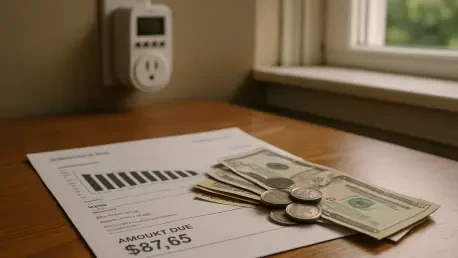
The most immediate goal of the governor’s plan is to put money back into residents’ pockets. One executive order directs the Board of Public Utilities (BPU) to ensure ratepayer bill credits are issued by July 1, echoing a similar measure in August 2025 that provided $100 credits to 3.9 million customers. Critically, the BPU has also been instructed to consider pausing or modifying any pending proceedings where electric utilities are seeking rate increases. Beyond these short-term fixes, the order mandates a comprehensive study on modernizing the traditional utility business model, aiming to decouple utility revenue from capital spending—a move that could fundamentally reshape how energy infrastructure is funded and paid for by consumers.
Building an In-State Energy Arsenal: The Push for Solar and Storage
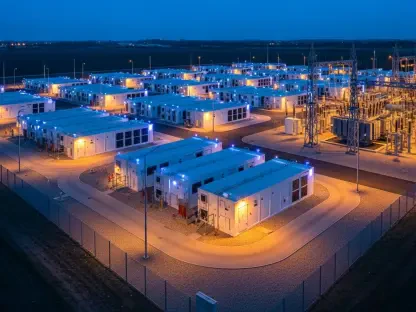
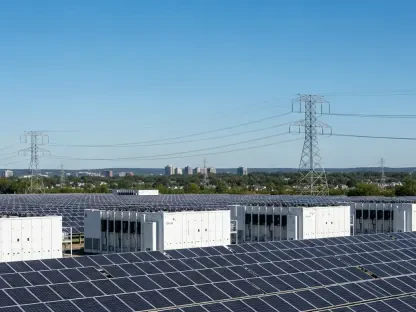
To address the root cause of high prices—energy scarcity and import reliance—the plan lays out an aggressive timeline for boosting in-state generation. The BPU must, within 45 days, solicit bids for utility-scale solar projects and accelerate the Garden State Energy Storage Program. Simultaneously, it will open 3 GW of capacity in the state’s Community Solar Energy Program, a move designed to broaden access to renewable energy. This rapid deployment of solar and battery storage is central to the strategy, with advocates like the New Jersey League of Conservation Voters hailing them as the “fastest, most affordable tools” for bringing new, price-stabilizing energy online and enhancing grid stability.
Unlocking a Modern Grid: The Promise of Virtual Power Plants
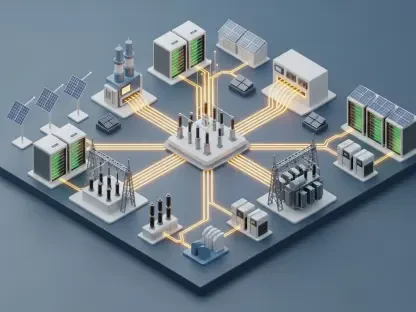
Perhaps the most forward-looking component of the plan is its mandate to develop a virtual power plant (VPP) program within 180 days. VPPs work by aggregating distributed, behind-the-meter resources—like residential solar panels and batteries—into a single “plant” that can be dispatched to reduce system-wide demand during peak hours. By shaving these expensive peaks, VPPs can lower overall energy costs for all ratepayers. Advanced Energy United lauded this initiative, calling VPPs a “proven, cost-effective tool” for unlocking customer resources. This approach, however, faces a cautious reception from utilities like PSE&G, which stress the need to balance innovation with long-term grid reliability.
The Future of New Jersey’s Grid: Innovation Meets Incumbency
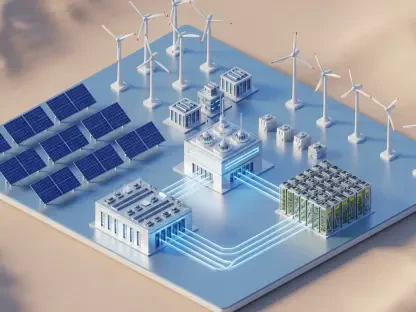
Governor Sherrill’s plan signals a decisive shift away from a centralized, import-dependent energy model toward a more dynamic, decentralized grid. The focus on VPPs, community solar, and battery storage reflects a broader industry trend toward harnessing distributed energy resources to create a more flexible and resilient system. The success of this vision will hinge on navigating the complex regulatory and economic landscape, particularly the proposed modernization of the utility business model. While clean energy advocates see a pathway to a cheaper, greener future, incumbent utilities remain focused on ensuring that this rapid transition does not compromise the cost-effectiveness and reliability that underpin the state’s energy infrastructure.
Key Takeaways and Strategic Implications
The governor’s new plan presents a clear, two-part solution to New Jersey’s energy woes: deliver immediate, tangible bill relief while making strategic, long-term investments in in-state clean energy infrastructure. By targeting peak demand with VPPs and boosting supply with solar and storage, the strategy addresses the primary drivers of recent price hikes. For consumers, the immediate impact will be felt through bill credits and a potential halt on rate increases, while future opportunities to participate in community solar or VPP programs could offer further savings. For the state and its energy sector, the path forward requires diligent execution of these ambitious timelines and fostering a collaborative environment where innovation can thrive without sacrificing grid stability.
A Decisive Moment for New Jersey’s Energy Consumers
Governor Sherrill’s executive orders represented more than just a new policy; they marked a pivotal moment in New Jersey’s energy transition. The plan directly confronted the affordability crisis by challenging the status quo of energy generation and utility business models. Its long-term significance was in its potential to serve as a national model for how states could leverage distributed clean energy to lower costs, enhance resilience, and achieve climate goals simultaneously. The ultimate test was in the implementation—whether the state could translate this bold vision into a tangible reality of lower power bills and a more secure energy future for all its residents.