Imagine a Michigan where the hum of renewable energy powers not just homes but sprawling industrial complexes, driving economic growth while slashing carbon footprints to meet ambitious net-zero goals by 2040. In this vision, Consumers Energy, a subsidiary of CMS Energy, stands at the forefront, fueled by a remarkable 16% revenue surge to $1.68 billion in Q3 of this year. This financial strength, paired with supportive regulations and a bold investment strategy, positions the company as a potential leader in the state’s clean energy transformation. Yet, with lingering reliance on coal and the complexities of balancing reliability with sustainability, the path ahead is anything but straightforward. As Michigan looks to a greener future, the question looms: can Consumers Energy navigate these challenges to become the linchpin of this energy revolution?
The company’s roadmap is ambitious, with a staggering $13.7 billion investment planned through 2029, split between renewable energy projects and grid modernization. This isn’t just about keeping the lights on; it’s about redefining how power flows through the state, ensuring resilience against growing demand. Moreover, long-term commitments stretching to 2035 include $25 billion for renewables, storage, and infrastructure, signaling a deep-rooted intent to decarbonize while supporting Michigan’s industrial resurgence. But as industrial loads spike and environmental pressures mount, the company must prove it can deliver on these promises without stumbling over legacy issues.
Financial Strength and Strategic Vision
Building on Solid Ground
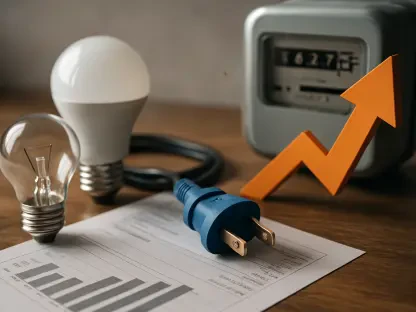
Consumers Energy’s financial performance this year, with electric utility revenue climbing to $1.68 billion, offers a robust foundation for its sweeping ambitions. This growth isn’t tied to higher delivery volumes but to smart leveraging of external factors like favorable weather and new industrial connections. It’s a testament to the company’s knack for capitalizing on opportunities beyond traditional metrics. Such financial health isn’t just a number on a balance sheet; it’s the lifeblood that fuels major initiatives, from clean energy projects to grid upgrades. Without this stability, the grand plans for Michigan’s energy landscape would remain mere pipe dreams. Instead, the revenue surge empowers Consumers Energy to think big, positioning it as a serious contender in reshaping the state’s power sector with an eye toward sustainability.
This financial momentum also reflects a strategic shift toward high-demand customers, particularly in the industrial sphere, as a key revenue driver. Unlike relying solely on residential consumption, tapping into industrial growth offers a steadier, larger-scale income stream. The approach highlights a forward-thinking mindset, recognizing that Michigan’s economic future ties closely to energy-intensive sectors like manufacturing and technology. By aligning financial strategy with market trends, Consumers Energy ensures it has the resources to invest heavily in both innovation and infrastructure. However, this focus must be balanced with the needs of everyday ratepayers, ensuring that the pursuit of industrial partnerships doesn’t overshadow affordability and accessibility for all.
Capitalizing on Market Opportunities
Beyond raw numbers, the revenue increase signals an ability to adapt to a changing energy market, where industrial partnerships are becoming central to utility success. Consumers Energy’s knack for securing new connections, especially with energy-hungry sectors, sets it apart in a competitive landscape. This isn’t just about short-term gains; it’s about building a customer base that guarantees long-term demand. Such foresight is crucial in a state where industrial revival is a priority, and energy providers must step up to meet unprecedented needs. If sustained, this adaptability could make Consumers Energy a model for how utilities can thrive amidst transition, turning financial strength into a launchpad for broader impact.
Moreover, the revenue growth offers a buffer against potential risks, like regulatory pushback or environmental litigation, which often haunt energy companies in transition. With a solid financial cushion, Consumers Energy can weather storms that might derail smaller players, ensuring that clean energy investments aren’t sidelined by unforeseen costs. This stability also builds trust with stakeholders, from state regulators to industrial clients, showing that the company isn’t just dreaming of a green future but has the means to make it happen. Still, financial success alone isn’t enough; it must translate into tangible progress on the ground to truly lead Michigan’s energy shift.
Clean Energy Investments and Grid Modernization
Powering a Sustainable Tomorrow
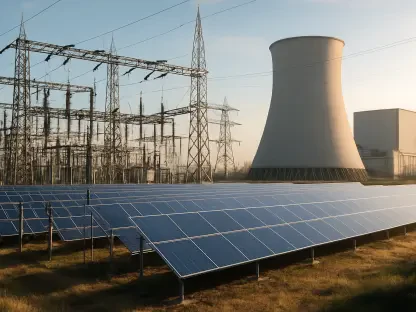
The $13.7 billion investment through 2029 marks a pivotal step for Consumers Energy, with $5.2 billion earmarked for renewables and $8.5 billion for bolstering distribution reliability. This dual focus isn’t accidental; it’s a calculated move to weave clean energy into the fabric of Michigan’s power grid while ensuring that system doesn’t buckle under pressure. Long-term, the vision stretches to 2035 with plans for 10.8 GW of renewable capacity—split between solar and wind—alongside hefty allocations for battery storage. This isn’t just about meeting targets; it’s about setting a standard for what a modern, sustainable utility looks like. If executed well, these investments could cement Consumers Energy as a trailblazer in the state’s decarbonization journey.
However, throwing money at projects isn’t a guarantee of success; it’s the strategic deployment that counts. The emphasis on grid resilience through distribution upgrades shows an understanding that renewables alone won’t cut it if the infrastructure can’t handle the load. Michigan’s harsh weather and growing industrial demand amplify the need for a robust network, capable of withstanding strain while integrating cleaner sources. By balancing these priorities, Consumers Energy aims to avoid the pitfalls that have tripped up other utilities—where green ambitions outpace practical delivery. The challenge lies in maintaining this equilibrium, ensuring that every dollar spent moves the needle toward both reliability and sustainability.
Aligning with Statewide Goals
Tying these investments to Michigan’s net-zero emissions target by 2040 adds a layer of purpose to Consumers Energy’s plans, aligning corporate strategy with public good. The push for renewables and storage isn’t just a business move; it’s a response to a broader call for environmental responsibility that resonates across the state. By committing to phase out coal and scale up clean capacity, the company taps into a shared vision, potentially earning public and political goodwill. This alignment could smooth the path for future projects, as stakeholders see Consumers Energy not as a profit-driven entity but as a partner in progress. Yet, public perception hinges on results—promises of a green future must materialize to maintain that trust.
Furthermore, the investment in battery storage and grid modernization speaks to a nuanced understanding of energy transitions, where intermittency of renewables like solar and wind poses real challenges. By prioritizing solutions that store excess power and stabilize supply, Consumers Energy shows it’s not just chasing trendy green tech but solving real-world problems. This pragmatic approach could set a benchmark for other Midwest utilities grappling with similar issues. However, scaling these technologies fast enough to meet aggressive timelines remains a hurdle, especially as industrial demand accelerates. The coming years will test whether this strategy can keep pace with both ambition and necessity.
Industrial Load Growth and Innovation
Fueling Economic Expansion
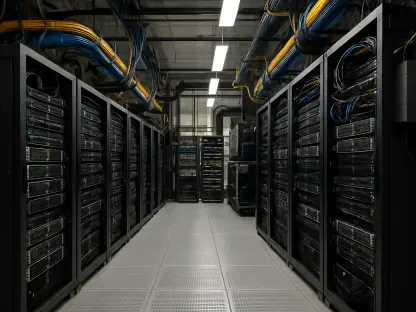
Consumers Energy’s grasp of Michigan’s industrial boom is evident in its handling of a 9 GW load pipeline over the next decade, with 450 MW already connected from sectors like semiconductor manufacturing and automotive battery production. This isn’t mere growth; it’s a transformation of the state’s energy profile, turning it into a magnet for high-demand industries. Special tariffs, greenlit by the Michigan Public Service Commission for loads over 100 MW, are a game-changer, paving the way for massive projects like a potential 1 GW data center by 2030. Such innovation in pricing and policy shows a willingness to adapt to market needs, positioning the company as a key player in economic development. If this momentum holds, Michigan could become a hub for cutting-edge industry, with Consumers Energy at the helm.
Yet, catering to industrial giants isn’t without risk; it demands infrastructure that can handle unprecedented strain without compromising service to other customers. The recent interconnections are a promising start, but scaling to 900 MW by 2029 requires flawless execution in planning and investment. The focus on industrial load growth also reflects a broader trend where energy providers must double as economic enablers, supporting job creation and innovation. Consumers Energy’s success here could ripple beyond energy, boosting Michigan’s appeal to global businesses. Still, the balance between industrial and residential needs must be struck carefully to avoid perceptions of favoritism or neglect.
Pioneering New Energy Models
Innovation extends beyond tariffs to how Consumers Energy envisions its role in powering industrial expansion, crafting a model that could redefine utility-industry partnerships. The potential 1 GW data center deal isn’t just about scale; it’s about proving that clean energy can reliably support the most power-intensive operations. If successful, this could draw similar projects, creating a virtuous cycle of investment and growth. This forward-thinking approach sets the company apart in a sector often criticized for sluggish adaptation, showing that utilities can drive progress rather than merely react to it. The stakes are high, though—any misstep in delivery could dent confidence among prospective clients.
Moreover, this industrial focus ties directly to clean energy goals, as new loads offer a chance to deploy renewables and storage at scale, rather than retrofitting older systems. By aligning industrial growth with green infrastructure, Consumers Energy could sidestep some of the inefficiencies that plague legacy utilities. However, the rapid pace of industrial demand means there’s little room for error; delays in renewable rollout or grid upgrades could force reliance on less sustainable sources temporarily. Navigating this tightrope will be crucial to maintaining credibility as both an economic and environmental leader in Michigan’s evolving landscape.
Challenges with Legacy Coal Operations
Navigating a Thorny Transition
The shadow of the 1.5-GW J.H. Campbell coal plant looms large over Consumers Energy’s clean energy aspirations, as federal emergency orders keep it running despite environmental and financial costs. While the burden is mitigated by socializing expenses across the Midcontinent Independent System Operator region, shielding Michigan ratepayers from the full $164 million hit between May and September, the net loss of $80 million after market revenues stings. More critically, opposition from environmental groups and ratepayer advocates, including lawsuits over regional cost-sharing, highlights a deep tension. This isn’t just a logistical issue; it’s a moral and strategic conflict between ensuring grid reliability and honoring commitments to decarbonization that tests the company’s resolve.
This reliance on coal, even if temporary, risks tarnishing the image of a utility striving for sustainability, especially in a state with vocal environmental priorities. The legal and public backlash underscores a broader industry challenge: phasing out fossil fuels without compromising power supply during transition. Consumers Energy must tread carefully, communicating transparently about timelines and mitigation efforts to maintain stakeholder trust. If mishandled, this issue could overshadow renewable achievements, framing the company as hypocritical in its green rhetoric. Finding a viable replacement strategy sooner rather than later will be key to diffusing this friction.
Balancing Reliability and Responsibility
Addressing the coal conundrum demands a delicate balance between immediate energy needs and long-term environmental goals, a dilemma Consumers Energy cannot sidestep. The Campbell plant’s operation under federal mandate reflects a harsh reality—grid stability sometimes trumps swift decarbonization, especially with rising industrial loads. Yet, every month the plant runs, it chips away at Michigan’s net-zero vision, drawing ire from those who see coal as an outdated crutch. The company’s efforts to offset costs regionally are a pragmatic stopgap, but they don’t silence critics who argue for faster investment in alternatives like battery storage or gas capacity. Resolving this standoff will require bold action and clear priorities.
Furthermore, this challenge offers an opportunity to accelerate innovation, pushing Consumers Energy to prioritize replacements for legacy assets in its upcoming integrated resource plan due mid-2026. By doubling down on renewables and interim solutions, the company could turn a liability into a catalyst for progress, proving that reliability and responsibility aren’t mutually exclusive. However, the clock is ticking; prolonged dependence on coal risks alienating supporters of Michigan’s clean energy push. How swiftly and decisively Consumers Energy acts will shape perceptions of its leadership potential in this critical arena.
Regulatory Support and State Alignment
A Collaborative Push for Progress
Strong backing from the Michigan Public Service Commission has become a cornerstone of Consumers Energy’s strategy, smoothing the path for transformative projects with approvals like a $154 million revenue increase for grid investments. This regulatory support isn’t just bureaucratic; it’s a signal of trust in the utility’s vision, from rate hikes to renewable capacity additions. Such collaboration creates a fertile ground for innovation, allowing the company to pursue ambitious clean energy goals with confidence. Tied to Michigan’s net-zero emissions target by 2040, this partnership positions Consumers Energy as a vital ally in a statewide mission, potentially amplifying its influence. If this synergy persists, it could serve as a model for how utilities and regulators can work hand-in-hand.
Yet, regulatory goodwill isn’t a blank check; it comes with expectations of delivery on promised outcomes, particularly around affordability and environmental impact. The approvals for special tariffs targeting large industrial loads show flexibility, but they also raise the bar for ensuring benefits trickle down to all ratepayers. Consumers Energy must navigate this dynamic carefully, proving that state support translates into tangible progress rather than just corporate gains. Maintaining this constructive relationship will be crucial as more complex projects and rate cases come up for review, testing the limits of regulatory patience and public tolerance.
Enabling Bold Energy Solutions
The MPSC’s role extends beyond approvals to enabling policies that spur creative solutions, such as tariffs tailored for industrial giants, which could redefine Michigan’s energy economy. This regulatory framework isn’t merely supportive; it’s a catalyst, encouraging Consumers Energy to experiment with models that balance growth with sustainability. By fostering an environment where clean energy initiatives are not just encouraged but actively facilitated, the state sets a high standard for what utilities can achieve. This could propel the company into a leadership role, not just in Michigan but as an example for other regions wrestling with similar transitions. The question remains whether this momentum can be sustained under evolving political or economic pressures.
Additionally, alignment with state goals offers Consumers Energy a chance to shape policy indirectly, as successful projects could influence future regulatory benchmarks. If renewable expansions and grid upgrades meet or exceed targets, they might inspire stricter clean energy mandates, raising the bar for the entire sector. However, this also piles on pressure to perform, as any shortfall could weaken the case for utility-led transitions. Leveraging this supportive climate to push boundaries in energy innovation will be vital, ensuring that Consumers Energy doesn’t just follow state directives but helps chart the course for a cleaner, more resilient future.
Looking Toward a Greener Horizon
Reflecting on Consumers Energy’s journey, it’s clear that the strides made in financial growth, with revenues hitting $1.68 billion, and the monumental $13.7 billion investment through 2029, laid a strong foundation for Michigan’s clean energy ambitions. The synergy with regulatory bodies like the MPSC provided a crucial boost, enabling bold steps toward renewables and grid resilience. Yet, the persistent operation of the J.H. Campbell coal plant under federal mandates cast a shadow, revealing the gritty challenges of transitioning from fossil fuels while upholding reliability.
Moving forward, the focus should pivot to accelerating the integrated resource plan slated for mid-2026, which promises to map out replacements for aging assets and strategies for industrial load growth. Prioritizing rapid deployment of battery storage and interim natural gas capacity could bridge gaps, ensuring stability as renewables scale. Engaging stakeholders transparently about coal phase-out timelines will also be essential to rebuild trust. Ultimately, Consumers Energy has the tools to spearhead Michigan’s energy evolution—it must now wield them with precision and urgency to turn potential into lasting impact.