
Christopher Hailstone is a seasoned expert in energy management and electricity delivery, renowned for his deep understanding of grid reliability and the intricate mechanics of utility systems. With years of experience navigating the shift toward renewable energy, he serves as a leading voice on how corporate actions intersect with the physical realities of the power grid. Our conversation explores the necessary evolution of carbon accounting, the limitations of current certificate-based claims, and the technical infrastructure required to achieve a truly carbon-free energy future.
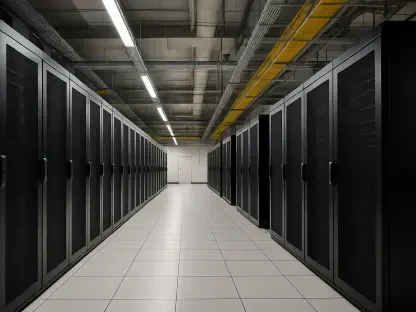
A data center in Virginia can currently claim it runs on California solar, even if it physically consumes coal-fired power locally. How does this discrepancy influence public perception of sustainability, and what specific steps can companies take to better align their carbon claims with physical grid realities?
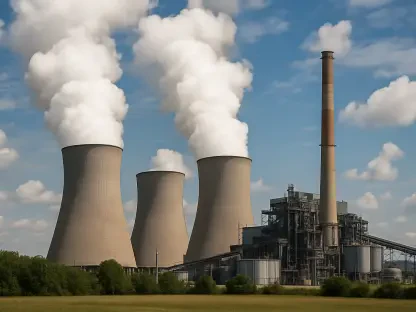
The current disconnect between corporate reports and the physical flow of electrons has fueled a growing wave of public skepticism regarding “100% renewable” claims. When a tech giant announces it is carbon-neutral while local communities see coal plants ramping up to feed new data centers, the narrative of progress begins to feel like a paper-thin marketing exercise. To fix this, companies must move toward geographical and temporal matching, where they only claim clean energy that is physically deliverable to their location at the time of use. This means shifting away from distant “energy attribute certificates” and instead investing in local clean energy projects that actually displace the fossil fuel generation on their specific regional grid. It is a transition from a purely financial accounting mindset to one that respects the laws of physics and transmission constraints.
Many organizations purchase low-cost certificates from projects that might have been built regardless of corporate support. What specific evidence should a firm provide to show their procurement actually reduces system-wide emissions, and how can they move beyond simply buying the cheapest available credits?
To prove real-world impact, a firm needs to demonstrate “additionality,” providing evidence that their specific investment was the catalyst for a project that wouldn’t have existed otherwise. Currently, the Greenhouse Gas Protocol incentivizes a race to the bottom, where companies scoop up the cheapest wind and solar credits from saturated markets like Texas or the Midwest, where these projects are already economically viable on their own. Academic research indicates these low-cost purchases often have a negligible impact on overall system emissions. Instead of chasing the lowest price, forward-thinking firms should target high-impact procurement, such as signing power purchase agreements in “dirty” grids or investing in nascent technologies that require early-stage support to reach market competitiveness.
Shifting to a system that requires clean energy to match consumption hour-by-hour and region-by-region is a significant technical challenge. What infrastructure investments are necessary to support this “24/7” approach, and how will this change the way companies manage their peak energy demand?
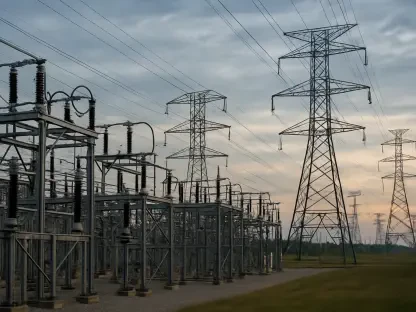
Moving to a 24/7 carbon-free energy model requires a massive overhaul of how we think about grid infrastructure, specifically through heavy investment in long-duration energy storage and demand-side flexibility. We cannot rely solely on the weather-dependent output of wind and solar; we need the hardware to shift that energy across time and the transmission lines to move it across space. For corporations, this means they can no longer be passive consumers; they must become active participants in grid management by shifting their peak loads or utilizing on-site storage to align with clean energy availability. This evolution turns energy management from a simple utility bill into a complex operational strategy that balances real-time production with real-time consumption.
Intermittent wind and solar often require backup from “clean firm” resources like geothermal, nuclear, or carbon capture to ensure reliability. How can accounting reforms better incentivize these specific technologies, and what role do they play in helping heavy electricity users reach true zero-emissions status?
The current accounting rules actually penalize “clean firm” resources because they are often more expensive per megawatt-hour than intermittent wind or solar, yet the protocol treats all carbon-free megawatt-hours as identical. If we reform the standards to require hourly matching, the value of a nuclear plant or a geothermal well skyrockets because they provide the steady, “firm” power needed when the sun goes down and the wind stops blowing. For heavy electricity users like manufacturers or AI operators, these technologies are the only viable path to true zero-emissions status. By recognizing the unique value of round-the-clock clean power, we create a financial incentive for the very technologies that ensure grid stability and deep decarbonization.
Large corporations are pushing back against stricter reporting rules that threaten their current “100% renewable” status. How should regulators handle existing long-term contracts during this transition, and what practical exemptions could help small businesses comply without facing overwhelming administrative or financial burdens?
Regulators must balance the need for integrity with the reality of existing business commitments by implementing “grandfathering” clauses or multi-year phase-in periods for long-term contracts already in place. It is unreasonable to expect a company to walk away from a 20-year power purchase agreement overnight, but we can require that all new procurement meet the stricter, more realistic standards. For small businesses, which lack the sophisticated energy teams of a Fortune 500 company, we need practical exemptions or simplified reporting pathways to prevent them from being buried under administrative costs. The goal should be a tiered approach where the largest energy consumers lead the way with high-resolution data, while smaller players are given the tools and time to adapt to the new framework.
What is your forecast for the future of corporate climate accounting?
I foresee a significant shift toward “radical transparency” where the era of purchasing our way out of emissions with cheap, distant credits comes to an end. Within the next decade, I expect that hourly, location-based matching will become the gold standard for any company serious about its climate claims, driven by both updated Greenhouse Gas Protocol rules and increasing pressure from savvy investors. We will see a surge in corporate investment in “clean firm” technologies like advanced geothermal and small modular reactors as companies realize that 24/7 carbon-free energy is the only claim that will hold up under scrutiny. Ultimately, climate accounting will move from being a specialized sustainability report to a core component of financial risk disclosure, grounded firmly in the physical reality of the power grid.