
Imagine a bustling New York, where the lights of Times Square shine bright and millions rely on a steady hum of electricity to power homes, businesses, and cutting-edge tech hubs—only to face the looming threat of blackouts in the coming years. A recent report from the New York Independent System Operator (NYISO) paints a stark picture of a grid at a critical turning point, grappling with aging infrastructure, soaring energy demands, and the slow rollout of reliable power sources. Spanning the decade ahead, from now until 2035, the Comprehensive Reliability Plan (CRP) warns of profound challenges that could disrupt the state’s energy stability if left unaddressed. This isn’t just about keeping the lights on; it’s about sustaining economic growth and meeting ambitious climate goals. As the grid teeters on a narrow margin for error, the urgency to act has never been clearer. The question remains whether proactive steps can avert a crisis, balancing innovation with practicality in a rapidly changing energy landscape.
The Looming Threat to Grid Stability
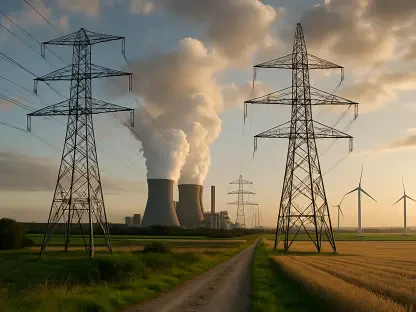
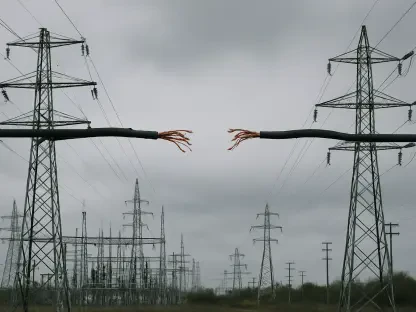
The NYISO report underscores a troubling reality: New York’s power grid faces significant reliability shortfalls over the next ten years. Rapid load growth, driven by electrification and economic expansion, is colliding with the potential retirement of aging generation capacity. The analysis suggests that several thousand megawatts of new dispatchable generation may be needed to keep the system stable. While no immediate crises are flagged, this isn’t a green light for complacency. Long lead times for permitting, equipment sourcing, and construction mean that delays could spell disaster down the line. The grid’s vulnerability isn’t just a technical issue; it’s a ticking clock that demands attention now to prevent widespread disruptions. With energy needs climbing, the state must navigate a tightrope between maintaining current stability and preparing for a future where demand could outstrip supply without robust intervention.
Moreover, the challenges extend beyond raw capacity. The NYISO highlights how the current fleet of power generation is not only old but also increasingly difficult to replace with dispatchable resources that can respond quickly to fluctuations in demand. The shift toward renewable energy, while critical for sustainability, often lacks the on-demand reliability of traditional sources. Solar and wind power, for instance, depend on weather conditions, and storage solutions are still scaling up. This creates a gap that could leave the grid exposed during peak usage or unexpected outages. Compounding the issue is the regulatory maze that slows down new projects, making it harder to close this gap in time. The report’s emphasis on a narrow margin for error serves as a wake-up call, urging stakeholders to rethink how quickly and effectively the state can bolster its energy backbone before reliability becomes a casualty of progress.
Balancing Renewable Ambitions with Practical Needs
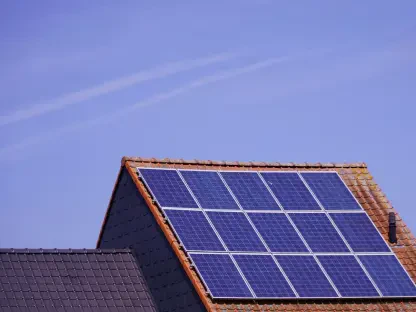
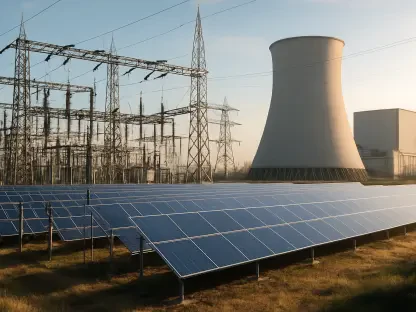
Transitioning to a cleaner energy future is a cornerstone of New York’s policy, but the NYISO report suggests that rushing toward renewables without a backup plan could jeopardize reliability. Accelerating the deployment of solar, wind, and storage projects already in the pipeline is a key recommendation, yet preserving or replacing critical dispatchable capacity—such as small gas plants operated by the New York Power Authority—remains equally vital. Adding firm capacity to stabilize the grid is another proposed fix, ensuring that power is available when renewables fall short. However, this dual approach stirs debate. While some see it as a pragmatic way to bridge the gap, others worry it risks locking in fossil fuel reliance at a time when cutting emissions is non-negotiable. Striking this balance is a delicate dance, one that requires not just investment but a clear-eyed view of what the grid can realistically handle in the near term.
In contrast, the push for renewables must contend with practical hurdles that can’t be ignored. Even with aggressive development, renewable projects often face delays due to supply chain bottlenecks, community opposition, or permitting issues. The NYISO stresses that these long timelines mean starting now is critical to avoid shortfalls by the decade’s end. Meanwhile, maintaining dispatchable resources offers a safety net but comes with its own baggage—namely, the environmental cost and public pushback against gas-based solutions. The tension here is palpable: how does the state meet immediate reliability needs without derailing long-term climate goals? The answer may lie in hybrid strategies that prioritize speed in renewable rollout while strategically leaning on existing infrastructure as a stopgap. This isn’t a perfect solution, but it reflects the messy reality of transforming an energy system under pressure.
Reforming Planning for an Uncertain Future
Beyond building new capacity, the NYISO advocates for a fundamental shift in how reliability is planned. Traditional deterministic models, which rely on fixed assumptions, fall short in an era of rapid change. Instead, adopting scenario-based planning that accounts for project delays, infrastructure failures, and catastrophic events is essential. This approach also means factoring in varied demand forecasts shaped by economic trends, electrification, and tech-driven shifts in behavior. Such reforms aim to make planning more dynamic, preparing the grid for a wider range of risks. Updating manuals, tariffs, and coordination with state agencies and the New York State Reliability Council could be necessary to implement these changes. This isn’t just tinkering around the edges—it’s a call to rethink the very framework that underpins grid security in a world where uncertainty is the only constant.
Additionally, the need for flexibility in planning ties directly to the evolving energy landscape. As electrification of transport and heating ramps up, demand patterns are shifting in unpredictable ways. Couple this with potential disruptions like extreme weather or global supply chain hiccups, and the old ways of forecasting simply don’t cut it. The NYISO’s push for scenario planning is a nod to this complexity, aiming to build resilience into the system rather than just reacting to crises as they emerge. While these procedural shifts may lack the immediacy of building a new power plant, they’re just as crucial for long-term stability. Without a crystal ball, the best defense is a strategy that anticipates multiple futures, ensuring the grid isn’t caught off-guard by surprises. This forward-thinking mindset could be the linchpin in navigating the decade’s challenges with confidence and foresight.
Stakeholder Perspectives and the Path Ahead
Diverse voices weigh in on the NYISO’s findings, reflecting the complexity of the road ahead. The Independent Power Producers of New York (IPPNY) praise the report’s candid assessment, arguing that a mix of renewable and traditional resources is non-negotiable to support economic growth. Their stance underscores a belief in pragmatism—use every tool available to keep the grid humming. On the flip side, environmental advocates like Earthjustice challenge the idea of leaning on additional natural gas, warning that it could saddle ratepayers with unnecessary costs while undermining climate progress. They argue the current capacity is adequate if managed wisely, pointing to diminishing returns on further fossil fuel investment. These contrasting views highlight a broader struggle: ensuring reliability without sacrificing sustainability or affordability. Finding common ground among stakeholders will be key to crafting solutions that stick.
Furthermore, insights from NYISO’s market monitoring unit (MMU) add another layer to the debate, cautioning against overly conservative planning that could inflate costs. Adjustments to market designs, such as the Installed Capacity (ICAP) demand curve, might offset surpluses but risk sticker shock for consumers. This warning tempers the urgency to overbuild capacity, suggesting a need for precision in how reliability needs are declared. The clash of perspectives—industry’s push for balance, environmentalists’ call for restraint, and the MMU’s focus on cost—paints a picture of a state at a crossroads. Each side brings valid concerns to the table, but reconciling them demands compromise and innovation. As discussions with stakeholders gear up ahead of the next reliability planning cycle in 2026, the hope is for a unified strategy that addresses shortfalls without breaking the bank or the planet’s future.
Building a Resilient Energy Tomorrow
Looking back, the efforts to shore up New York’s grid revealed a landscape fraught with tough choices and competing priorities. The warnings sounded by NYISO echoed through boardrooms and policy halls, prompting a hard look at what it would take to keep power flowing reliably. Moving forward, the state must prioritize swift action on renewable projects while strategically maintaining dispatchable resources as a bridge. Reforming planning processes to embrace uncertainty proved a quieter but equally vital step, ensuring the system could adapt to whatever the future held. Stakeholder collaboration emerged as the bedrock of progress, blending industry insights with environmental caution to chart a balanced path. As investments ramp up and market designs evolve, the focus should remain on affordability—keeping ratepayers shielded from undue burden. With the right mix of urgency and vision, New York stands poised to transform these past challenges into a foundation for a stable, sustainable energy future.