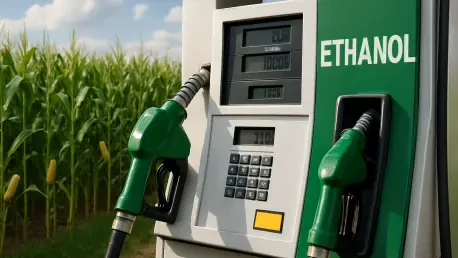

Pakistan is once again exploring the possibility of blending domestically produced ethanol with gasoline, a strategic move aimed at alleviating the substantial economic strain caused by its heavy reliance on imported fossil fuels. A special committee, established by Prime Minister Shehbaz Sharif, has put forth a recommendation for a voluntary 5% ethanol blend, known as E5, which hinges on commercial feasibility and collaborative agreements with the nation’s oil marketing companies. This initiative is designed not only to curb the outflow of foreign exchange but also to provide a significant boost to the local ethanol production sector, which is primarily based on sugarcane. However, this renewed push is shadowed by the memory of a similar program that faltered over a decade ago, raising critical questions about whether the country has overcome the obstacles that previously derailed its ambitions for a greener fuel mix. The success of this proposed revival depends on a delicate balance of economic incentives, logistical readiness, and consumer acceptance, making it a complex but potentially transformative undertaking for the nation’s energy landscape.
Economic Realities and Supply Chain Hurdles
A fundamental challenge confronting the proposed ethanol program lies within the intricate economics of its supply chain and the powerful pull of the global market. Pakistan’s sugar industry currently produces between 400,000 and 450,000 tonnes of ethanol annually as a byproduct, a volume that appears sufficient on the surface to support a nationwide blending initiative. However, the vast majority of this output is destined for international markets, where producers can secure significantly higher prices. This export-oriented focus presents a major hurdle for ensuring a stable and consistent supply for domestic blending. For ethanol to be an attractive alternative for Pakistani consumers, its price at the pump must be substantially lower than gasoline—estimated at 20-30% less—to compensate for its lower energy density, which results in reduced mileage per liter. This necessary price reduction makes the domestic market far less profitable for producers compared to exporting, creating a powerful disincentive to sell locally. Without government intervention, such as subsidies or export quotas, producers will naturally continue to prioritize more lucrative foreign sales, potentially starving the domestic blending program of the very resource it needs to function.
Infrastructure and Lessons from the Past
The revival of an ethanol blending initiative must contend with the ghosts of its predecessor and the significant logistical barriers that remain largely unaddressed. The first attempt, a pilot project for a 10% blend (E-10) from 2010 to 2012, was ultimately discontinued due to a confluence of unresolved issues that persist today. A primary factor in its failure was the unreliability of the domestic ethanol supply, as producers consistently favored profitable export contracts over supplying the local market at a lower price point. This was compounded by critical warnings from major automakers, including Pak Suzuki, which stated that the higher ethanol concentration was unsuitable for the engines in their vehicles, particularly the vast number of older cars and two-wheelers that dominate the country’s roads. Furthermore, the program highlighted the need for substantial capital investment in dedicated infrastructure, including specialized storage tanks and sophisticated blending equipment at oil depots, which were never fully realized. The collapse of that program served as a stark lesson that a viable biofuel policy required more than just a mandate; it demanded a comprehensive strategy that holistically addressed economic incentives, technical compatibility, and infrastructural deficits.