
The Texas electric grid, a symbol of both immense power and alarming vulnerability, stands at a critical juncture, haunted by the memory of catastrophic failures during extreme weather events and now strained by rapid growth and the integration of intermittent renewables. A groundbreaking market evolution is underway, not from a single, massive facility, but from thousands of homes across the state, powered by the rise of the Virtual Power Plant (VPP), a digitally orchestrated network of residential batteries that can act in unison to support the grid. This analysis explores how this innovative, decentralized approach is reshaping the future of energy in Texas by examining two pioneering VPP initiatives—a utility-led pilot in El Paso and a market-driven program responding to shifting solar economics—to determine their potential to redefine grid reliability and consumer engagement.
A Perfect Storm of Market Pressures
To understand the urgent appeal of VPPs, one must first grasp the unique pressures on the Texas grid. Managed by the Electric Reliability Council of Texas (ERCOT), the grid is an energy island, largely disconnected from the rest of the country. This isolation means it must be entirely self-sufficient, a trait that became a critical weakness during 2021’s Winter Storm Uri, when widespread power plant failures led to a prolonged and deadly blackout.
Beyond extreme weather, the grid is strained by rapid population growth and the massive, yet intermittent, influx of wind and solar power. While renewables are a vital part of the energy transition, their variable output creates significant stability challenges, causing supply to either plummet on calm, cloudy days or surge beyond demand on sunny, windy ones. This volatile environment necessitates a new class of flexible, fast-acting resources that can balance the grid in real-time—a market role VPPs are uniquely suited to fill.
Forging New Models for Grid Reliability
The Utility-Driven Model and Grid Stability
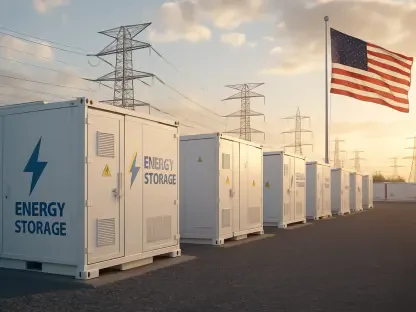
A prime example of a proactive, utility-led approach is the partnership between energy startup Base Power and El Paso Electric (EPE). Through its Residential Distributed Energy Storage Pilot Programme, EPE is deploying up to 10 megawatts of residential battery capacity to create a unified VPP. In this model, Base Power installs and maintains battery systems in customer homes, which are then aggregated into a single, dispatchable resource managed by EPE. During periods of extreme demand, like scorching summer afternoons, EPE can discharge this network of batteries to inject power into the grid precisely where it is needed, reducing strain on transmission lines and avoiding the need to fire up expensive peaker plants. For homeowners, the benefit is twofold: they contribute to grid stability and receive reliable backup power during outages, a feature that broadens the program’s appeal beyond just those with solar panels.
The Market-Driven Solution and Consumer Economics
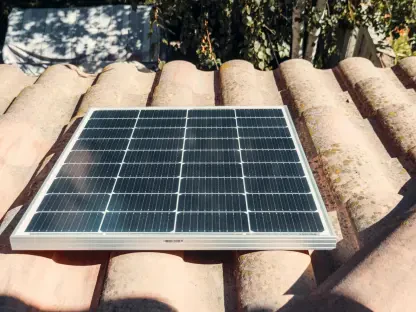
In contrast to a utility-led initiative, the VPP launched by Sonnen and Solrite Energy is a direct response to a pressing consumer problem: the erosion of solar buy-back programs in Texas. As retail electricity providers slash compensation for excess solar energy sent to the grid, many homeowners find their solar investments delivering diminishing returns. Sonnen’s “battery-only” program offers a powerful alternative by providing 60kWh of battery storage for a flat monthly fee with no upfront cost. This allows solar owners to store their excess energy for evening use, maximizing self-consumption and insulating them from unfavorable export rates. For non-solar households, the program offers whole-home backup and access to a stable, affordable electricity rate. Having already enrolled thousands of customers, this VPP has amassed an enormous amount of flexible capacity, creating a powerful market-driven tool for grid support.
The Technology Orchestrating a Decentralized Future
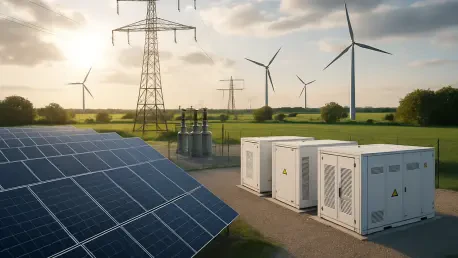
At the heart of any VPP is a sophisticated digital platform that transforms thousands of individual homes into a coordinated energy asset. This is made possible through advanced software that monitors grid conditions, weather forecasts, and household energy usage in real-time. When the grid needs support, the platform sends a signal for the networked batteries to either charge (absorbing excess power) or discharge (injecting needed power). The Sonnen program, for instance, is designed to act as a massive “energy sponge” during periods of high renewable generation, preventing the curtailment of large-scale wind and solar farms. This capability is enabled by regulatory frameworks like Texas’s Aggregated Distributed Energy Resource (ADER) program, which allows VPPs to officially participate and sell their services in the state’s wholesale energy market, turning distributed residential assets into a legitimate and powerful new class of grid infrastructure.
An Inevitable Evolution for Vpps in Texas
The initiatives in Texas are not isolated experiments but rather bellwethers of a nationwide energy transformation. Major players like Sunrun, NRG Energy, and Enel are all advancing VPP programs across the country, and regulators are taking notice, as evidenced by the New Orleans City Council’s recent approval of a substantial VPP program. The growth of VPPs in Texas continues to accelerate as battery costs fall and more homeowners seek energy resilience. The next frontier involves overcoming challenges related to cybersecurity, ensuring equitable access for low-income communities, and refining market rules to fully value the speed and precision VPPs offer. Ultimately, these networks are poised to fundamentally redefine the relationship between consumers and utilities, transforming passive ratepayers into active participants who are integral to maintaining a stable, modern grid.
The Path Forward to a Resilient Grid
The success of Virtual Power Plants in Texas hinges on a coordinated effort from all stakeholders. For regulators and utilities, the priority must be to create clear, supportive market structures and streamlined interconnection processes that encourage VPP participation without creating undue burdens. This includes designing compensation mechanisms that fully reward VPPs for the suite of services they provide, from peak demand reduction to frequency regulation. For homeowners, the key is education; understanding the dual benefits of personal energy backup and contributing to community-wide grid health is essential for driving adoption. For VPP providers and installers, the focus should be on building trust through transparent pricing, reliable technology, and exceptional customer service, ensuring the VPP model is not just technologically viable but also economically compelling for the average Texan.
A Distributed Answer to a Centralized Problem
The analysis of Texas’s emerging VPP market revealed that these distributed networks were no longer a theoretical concept but a tangible and critical piece of the state’s energy puzzle. While they did not replace the need for robust transmission or traditional generation, they offered a powerful, scalable, and fast-acting tool that addressed the grid’s most pressing vulnerabilities. By harnessing the latent power in homes and businesses, VPPs provided a resilient and flexible solution perfectly matched to the challenges of an energy landscape defined by extreme weather and intermittent renewables. The rise of VPPs represented a fundamental shift toward a more democratic and resilient energy future, one where the power to keep the lights on for everyone was, quite literally, put in the hands of the people.